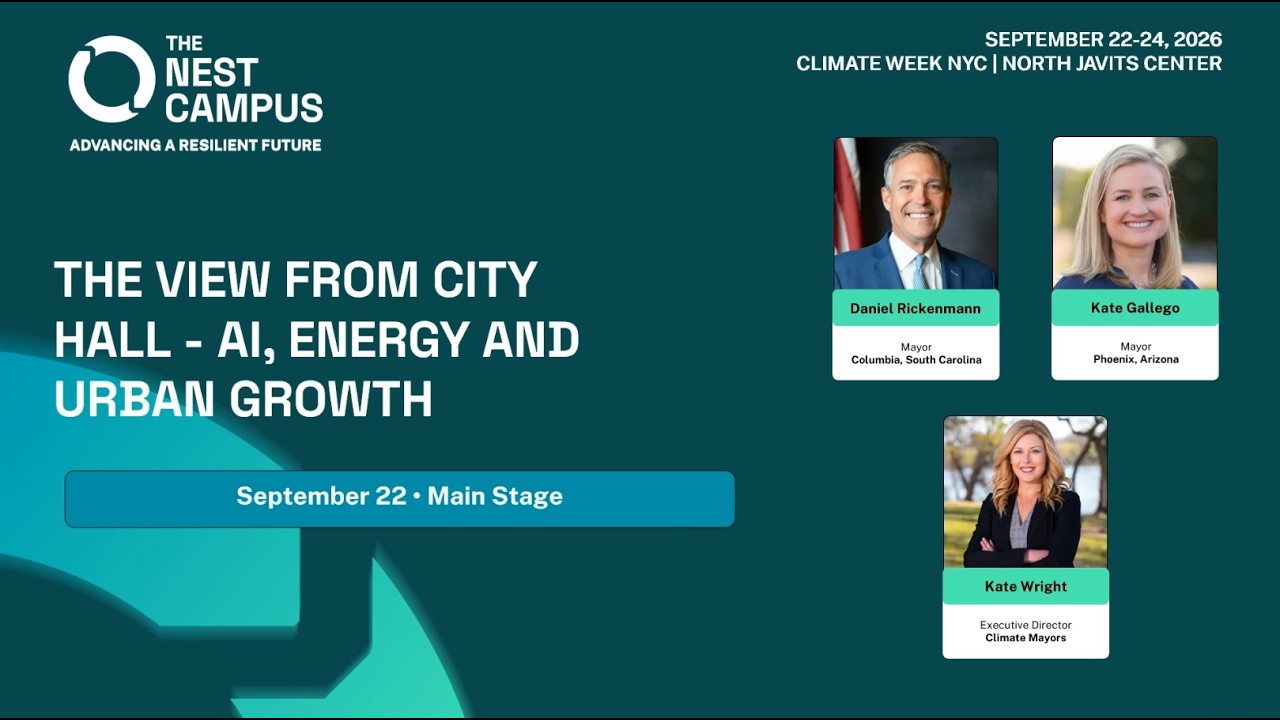
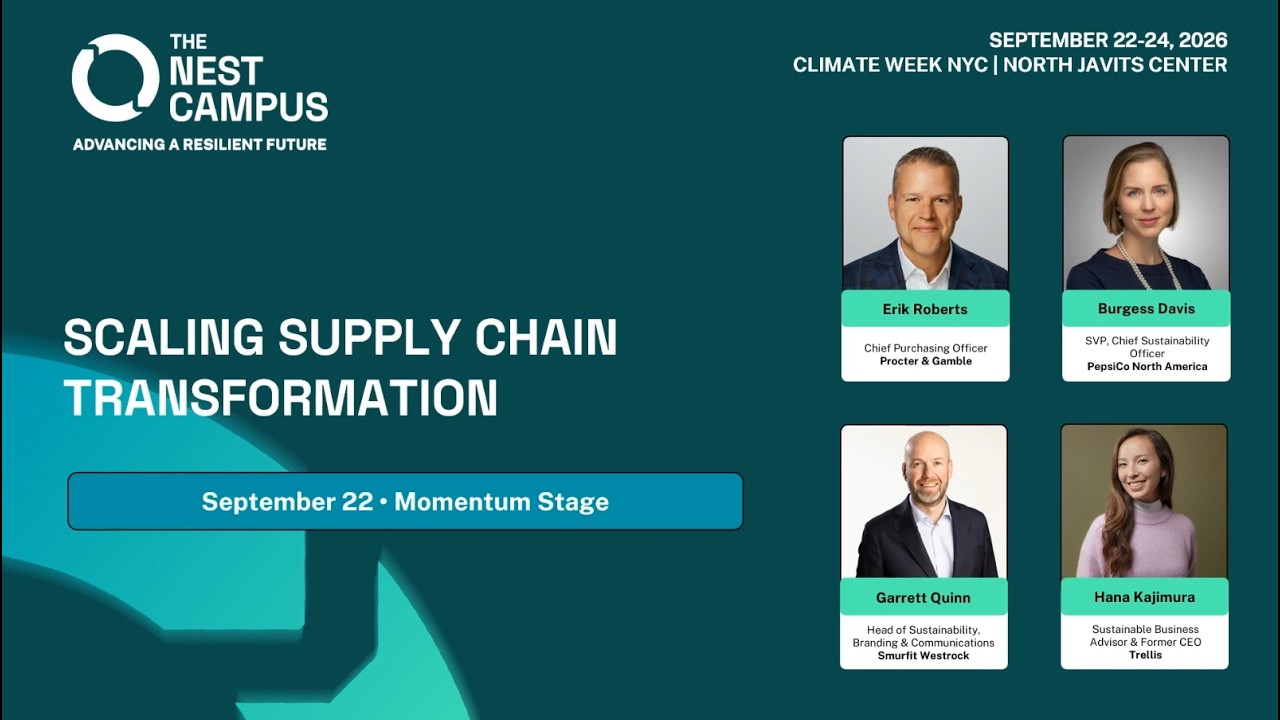
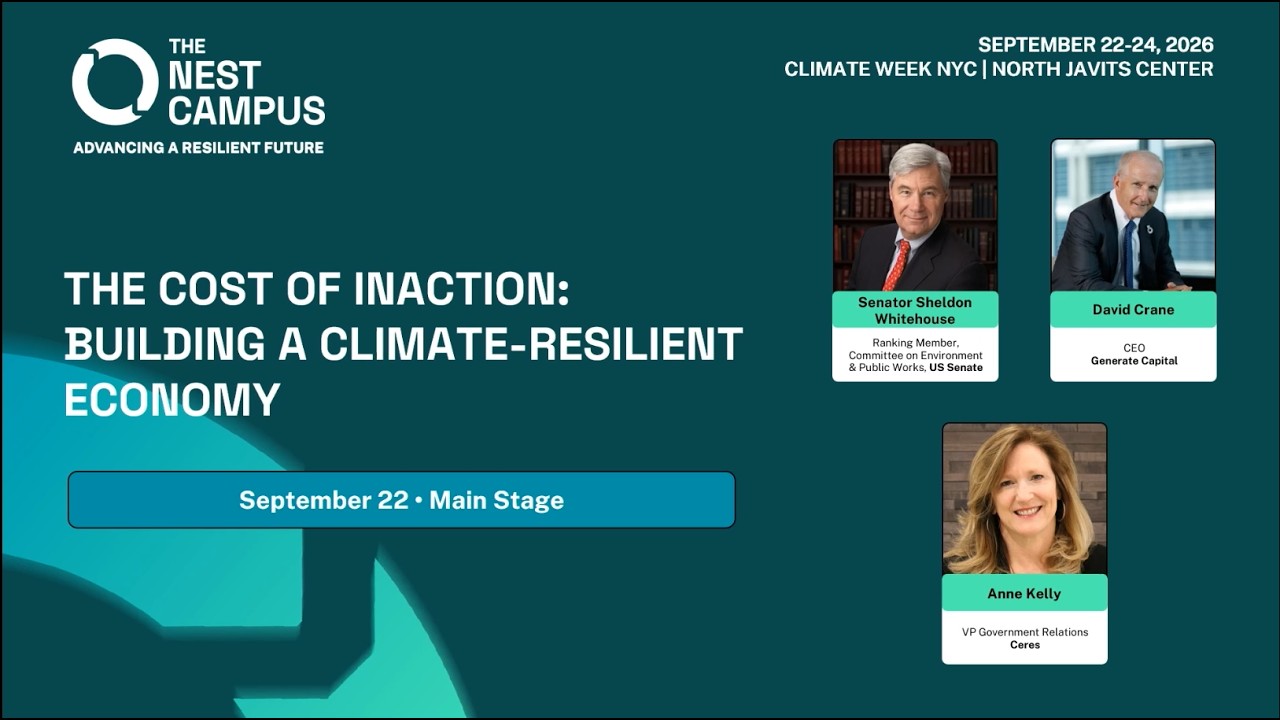
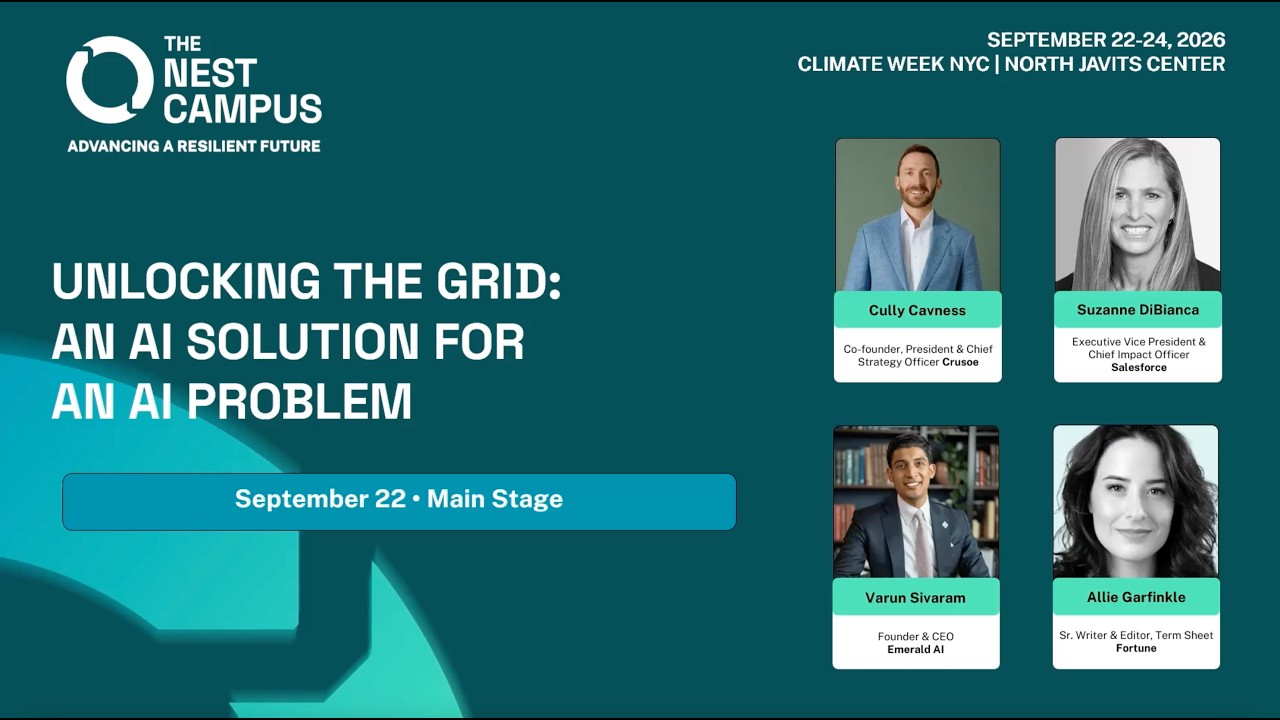
A gathering during Climate Week NYC that connects business leaders, investors, innovators and policymakers working on climate resilience. Its programming covers energy, infrastructure, technology, supply chains, food, water and natural systems.
Location not listed
Schedule not listed
Locunity is an independent informational service and is not an official government page for this commission. All information is sourced from public footage and an analysis of official agendas with the aid of responsible, fact-checked AI. to report an error or omission.
UN Security CouncilNest Campus23d agoSeptember 24, 2026
Liberia Elevates Climate-Conflict-Resources Link at UN Security Council
Liberia named the nexus of climate, conflict and natural resources a top priority of its 2026-2027 Security Council term and December presidency.
Why it matters: The minister tied gold mining damage in Grand Cape Mount County to community conflict and climate vulnerability, pushing responsible extraction onto the Security Council agenda.
Panel Urges Retail Investors and Philanthropy to Fund Global South
Panelists urged audience members to learn, invest via crowdfunding and retail platforms, and push philanthropy to take risks on Global South clean energy.
Why it matters: Robinson said less than 1% of official climate funding reaches women on the ground, and warned the world is tipping past 1.5 degrees.
United Nations
UN Year Of The Smallholder FarmerNest Campus23d agoSeptember 24, 2026
Panel: Investing in Women Is the Fastest Route to Climate Resilience
Speakers said women smallholder farmers and women-led solar enterprises are central to development, citing a $1 trillion GDP potential and examples from Liberia and Malawi.
Why it matters: Robinson cited FAO-verified estimates that properly resourced women smallholder farmers could add $1 trillion to GDP, yet funding rarely reaches them.
United Nations
Just TransitionNest Campus23d agoSeptember 24, 2026
Liberia Says Just Transition Must Start With Admitting Injustice
The Liberian minister called for proportionate cost-sharing by polluters, while panelists linked a just transition to universal electricity access and grant-based finance.
Why it matters: Speakers warned that AI-driven energy demand is fueling new fossil plants while 800 million people lack power, and that developing countries are being pushed deeper into debt.
United Nations
Social LicenseNest Campus23d agoSeptember 24, 2026
Panelists Agree Social License Is Now the Top Risk for Data Center Development
All three panelists identified community opposition and social governance—not technology—as the decisive factor in whether AI's energy footprint becomes net positive.
Why it matters: Local laws requiring 100% renewable-powered data centers are emerging as the most effective lever for forcing clean energy commitments from hyperscalers.
United Nations
IR LabsNest Campus23d agoSeptember 24, 2026
Panelists Argue AI Empowers Small Companies, Nonprofits, and Underserved Communities
Alex describes how AI enables small companies to compete with large ones and a nonprofit to educate Afghan girls barred from school, while Bruce sees a creativity boom from AI-assisted prototyping.
Why it matters: If AI's benefits accrue mostly to large corporations, the energy cost is harder to justify; evidence that it equalizes opportunity strengthens the case for net-positive impact.
United Nations
Wall StreetNest Campus23d agoSeptember 24, 2026
Panel Argues Global South Climate Investment Pays Off for Wall Street
Panelists told investors that clean-energy capital in developing countries cuts more emissions, returns profit, and bolsters food, human and international security.
Why it matters: The argument reframes climate finance from charity to strategic investment, targeting both institutional Wall Street and retail Main Street capital.
United Nations
ZanscarNest Campus23d agoSeptember 24, 2026
AI Unlocks Undiscovered Geothermal Resources, Offering Carbon-Free Baseload for Data Centers
Zanscar CEO Carl explains how AI is discovering geothermal resources faster than expected, offering baseload power that can co-locate with data centers and reduce grid strain.
Why it matters: Geothermal provides the round-the-clock clean power data centers need but solar and batteries cannot cost-effectively deliver at scale, potentially breaking the fossil-fuel lock-in.
United Nations
Published Reports
Track this commission to get the latest reports in your inbox