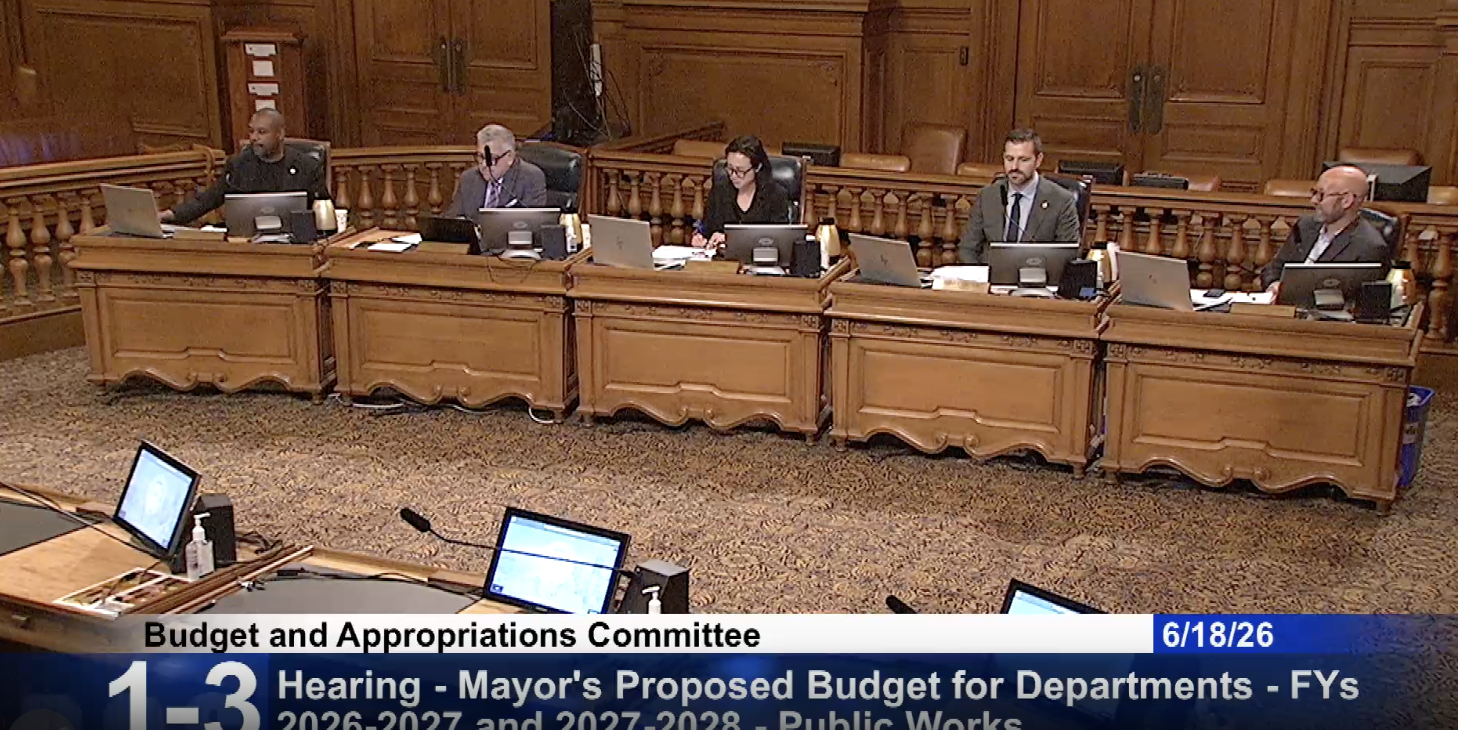
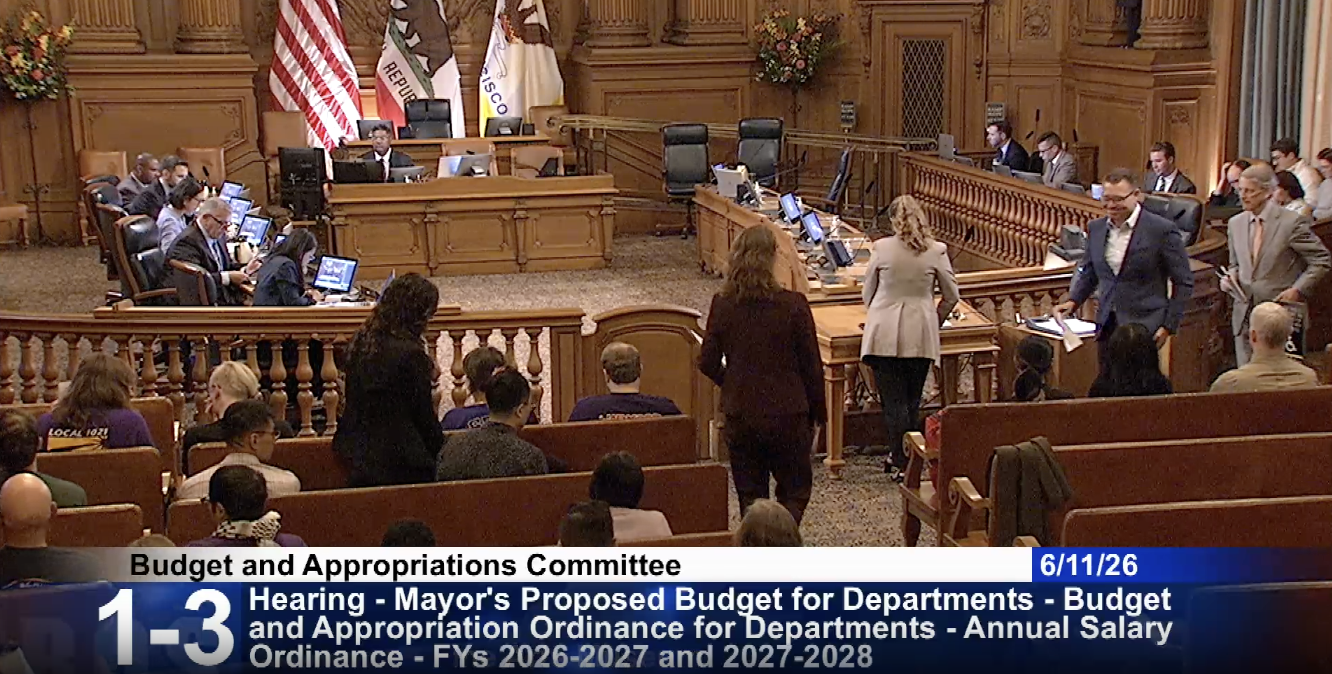
The Budget and Appropriations Committee shall be comprised of five full-time members, and shall convene between February 1 and August 1 of each year, and at any other time during the year that the President of the Board determines in writing. Unless otherwise designated by the President, the members of the subcommittee Budget and Appropriations Committee shall include the three members of the Budget and Finance Committee. By March 1 each year, the chair of the Budget and Appropriations Committee shall introduce a motion for consideration by the Board, delineating the budget process for the coming months, including but not limited to: the Committee's anticipated hearing topics from March through June; the process for the Board to identify and publicly communicate its policy priorities for the budget; whether the Board will schedule Committees of the Whole to hold hearings on the Mayor's budget instructions, the Mayor's budget priorities, the Mayor's proposed budget, the Board's proposed spending plan, or other topics; and the Committee's guidelines regarding public transparency and decision-making.
City Hall 1 Dr. Carlton B. Goodlett Place San Francisco, CA 94102
Wednesday at 1:30 p.m. (between February 1st and August 1st annually)
Locunity is an independent informational service and is not an official government page for this commission. All information is sourced from public footage and an analysis of official agendas with the aid of responsible, fact-checked AI. to report an error or omission.
California Academy Of SciencesBudget & Appropriations Committee126d agoJune 22, 2026
Committee Places Academy of Sciences Funding on Reserve Pending Performance Audit
Chair Chan orders reserve holds on aquarium staffing and capital funds until a BLA performance audit — prompted by 53 layoffs despite $200M endowment — reports back by November.
Why it matters: The Academy laid off 53 employees despite holding a $200 million endowment, raising questions about its stewardship of $6M+ in annual city funding for Steinhardt Aquarium operations.
Chair Chan Proposes Holding SFPD Funds on Reserve Pending Fleet and Facility Strategy Plans
Rather than accepting or rejecting $1.3 million in BLA reductions outright, Chair Chan pushes to reserve the funds until SFPD presents long-term plans for fleet replacement and facility renovations.
Why it matters: SFPD's vehicle fleet has aged well past optimal service life, with repair costs exceeding vehicle value in some cases, while the department faces a $14 million unfunded gap in critical operations and capital needs.
Dorsey Proposes Targeted Reserve on Reset Center's Performance-Based Component Only
Vice Chair Dorsey successfully narrows the BLA's proposal to place only the performance-incentive portion of the Reset Center contract on reserve rather than the full $8.6 million operational budget.
Why it matters: The Reset Center is a flagship public safety innovation connecting intoxicated individuals to care; placing all funding on reserve could destabilize a program showing early success with 753 individuals processed and 27% connection-to-care rate.
San Francisco
Public DefenderBudget & Appropriations Committee126d agoJune 22, 2026
Public Defender Warns Cutting Filled Attorney Positions Would Push Caseloads Past National Limits
Public Defender Raju argues four misdemeanor attorneys each carry 129 cases — already exceeding national standards — and Clean Slate has a 400-client backlog with no paralegals if cuts are made.
Why it matters: Eliminating currently filled positions would immediately redistribute hundreds of cases to already overburdened attorneys, potentially violating constitutional obligations for indigent defense.
HSA Plans 154-Person Hiring Surge to Shield 50,000 CalFresh Recipients from Federal Cuts
Director Rohr details an innovative CalFresh Community Service program requiring just 14 hours/month of volunteer work to keep benefits, protecting both food aid and Medi-Cal coverage.
Why it matters: San Francisco estimates $150–300 million in lost federal Medi-Cal reimbursements if beneficiaries fall off rolls; the staffing plan is designed to prevent that fiscal catastrophe while protecting vulnerable residents.
DPH Defends Keeping 23 Vacant Manager Roles After Already Cutting 19 at 8x the Staff Rate
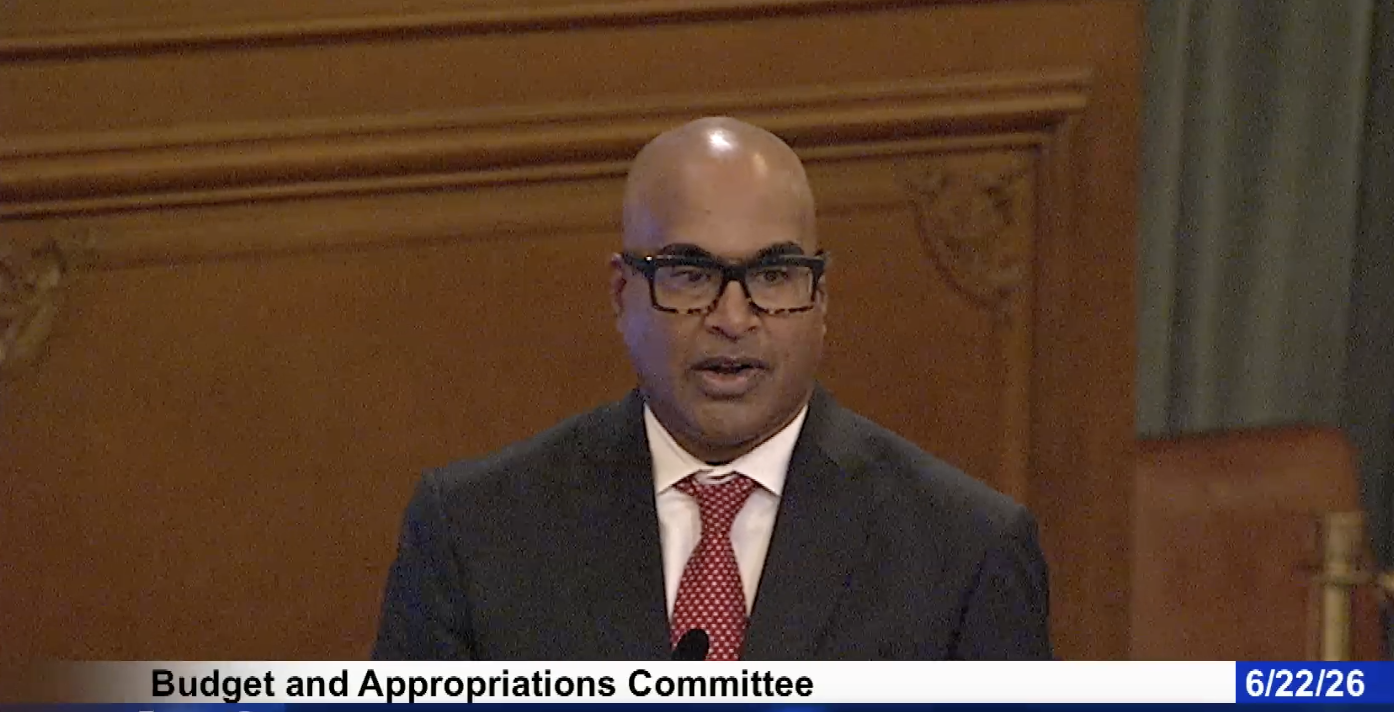
Director Tsai argues DPH has already deleted 40% of its vacant managers and the remaining 23 are tied to revenue generation, regulatory compliance, and avoiding layoffs.
Why it matters: With HR1 threatening $150–300 million in federal Medi-Cal reimbursement losses, positions focused on revenue cycle management and credentialing are critical to preventing further fiscal damage.
Committee Rallies Behind $4.4M for Neighborhood Ambassadors Near Shelters and PSH Sites
Supervisors strongly support HSH's plan to redirect $4.4 million from interim housing to community ambassador services in the Tenderloin and SOMA rather than return it as savings.
Why it matters: The good neighbor policy is seen as essential to maintaining public support for homelessness services; losing ambassador funding could undermine neighborhood buy-in for shelters and supportive housing.
Supervisors are persuaded to reject BLA recommendations to delete six vacant Mayor's Office positions, citing the need for a well-resourced executive branch.
Why it matters: The positions include the Housing Authority Deputy Director and innovation leads; deleting them would weaken executive capacity during a housing and budget crisis.
San Francisco
Published Reports
Track this commission to get the latest reports in your inbox