Mission
To protect and promote the health, safety, and well-being of Contra Costa residents as they are affected by hazardous materials and hazardous waste.
To provide and promote a forum for building consensus on environmental issues affecting Contra Costa residents related to hazardous materials and hazardous waste.
To provide recommendations to the Board of Supervisors and the Board's respective Committees and Commissions regarding policies concerning the storage, use, and management of hazardous materials and hazardous waste as they affect health, safety, and the environment, including land-use planning and economic effects.
History
The Hazardous Materials Commission was established in 1983 by the Contra Costa County Board of Supervisors. Its charge is to develop policy recommendations for hazardous materials and wastes and advise the Board, local elected officials, and county and city staff.
Meetings
Public meeting documents related to the Hazardous Materials Commission can be found at Contra Costa County’s Public Meetings website.
All meetings are open to the public. For information please call Adam Springer at 925-655-3200 or email adam.springer@cchealth.org.
Membership and Bylaws
County Board and Commissions Details
Committees
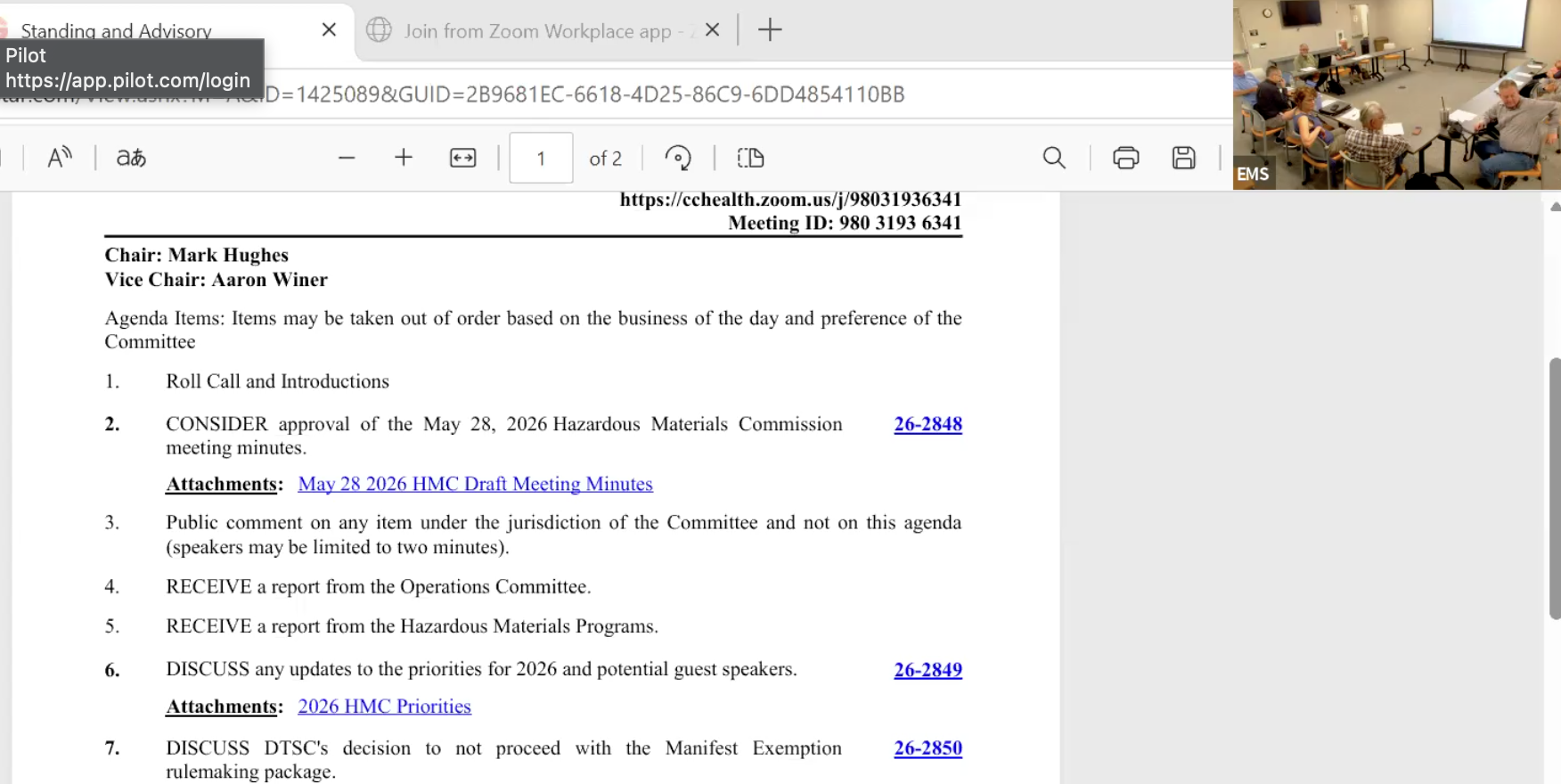
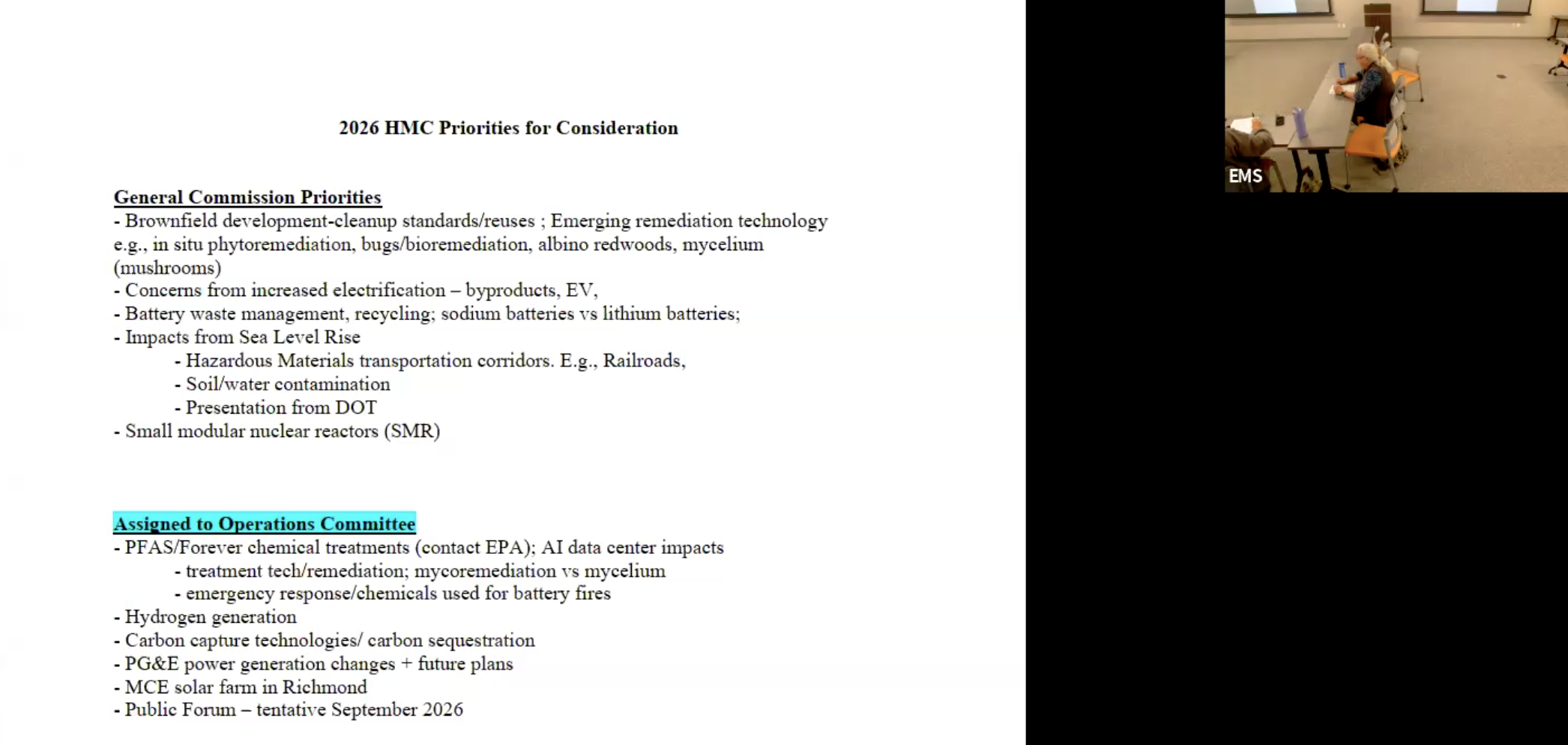
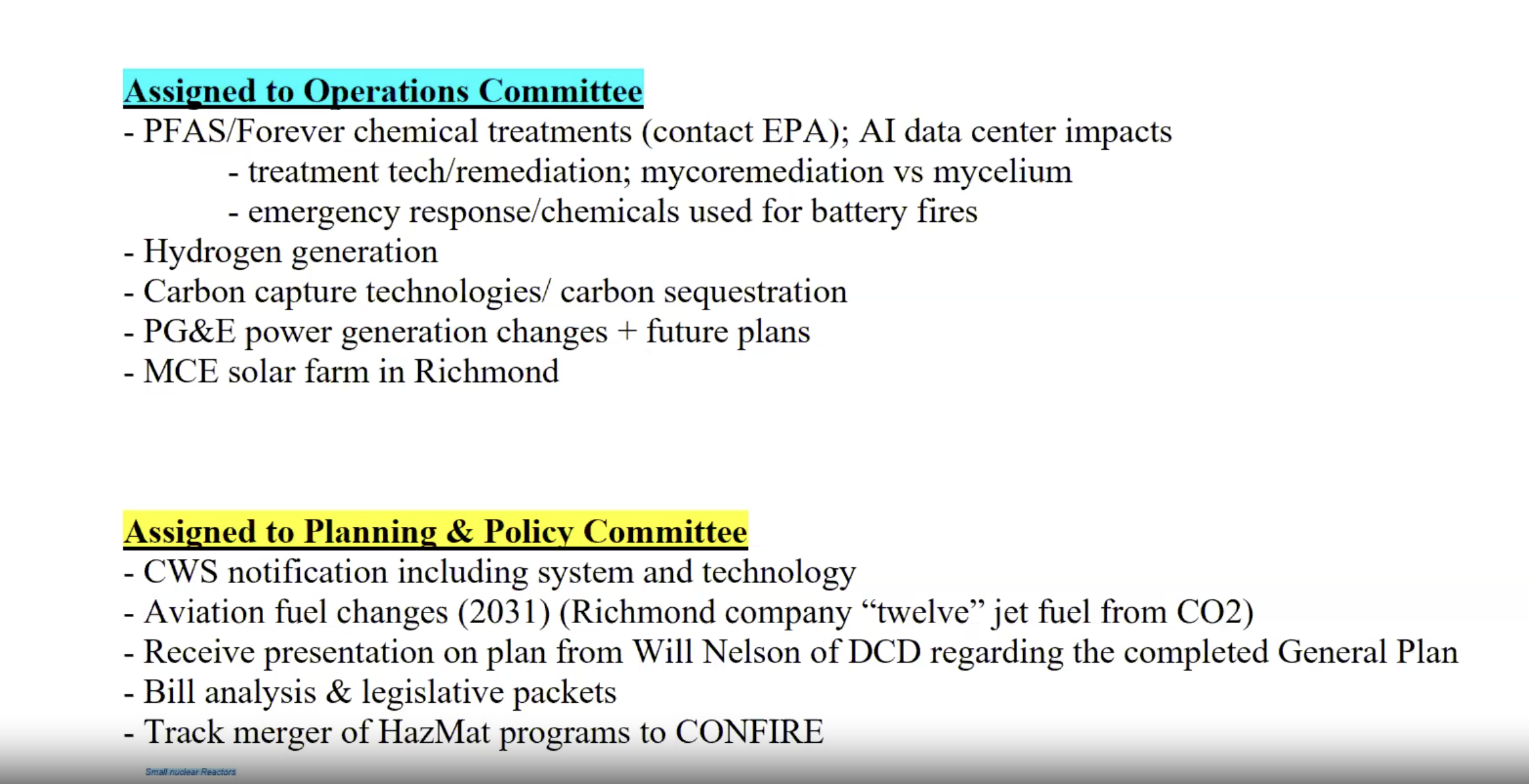
The Operations Committee oversees the Commission's organizational business, provides guidance to county department programs and management, and addresses public education and communication issues.
The Planning and Policy Development Committee provides technical assistance on the update of the land use ordinance and other long-term policy and planning issues.
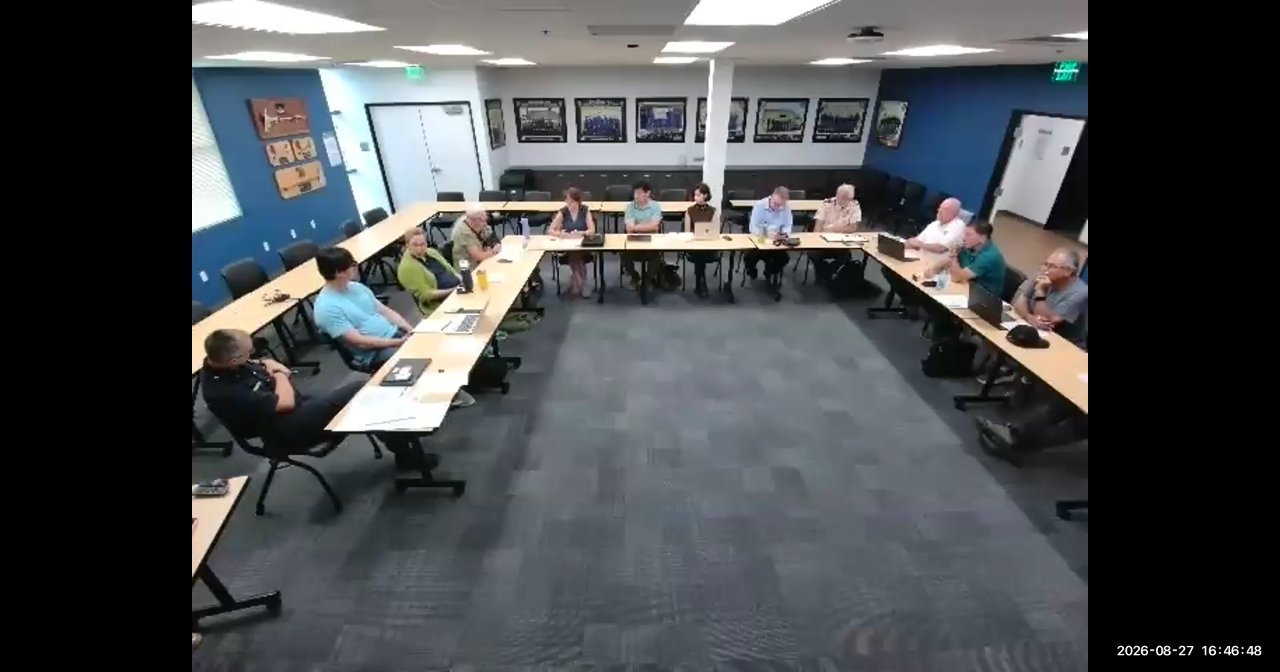
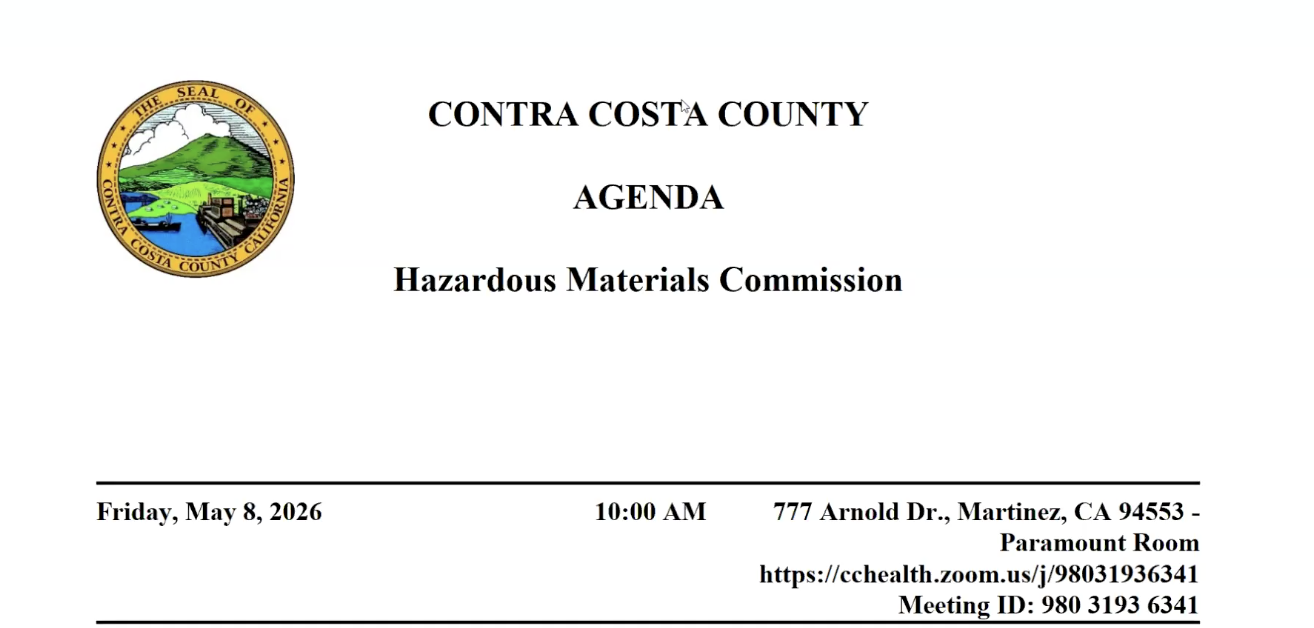
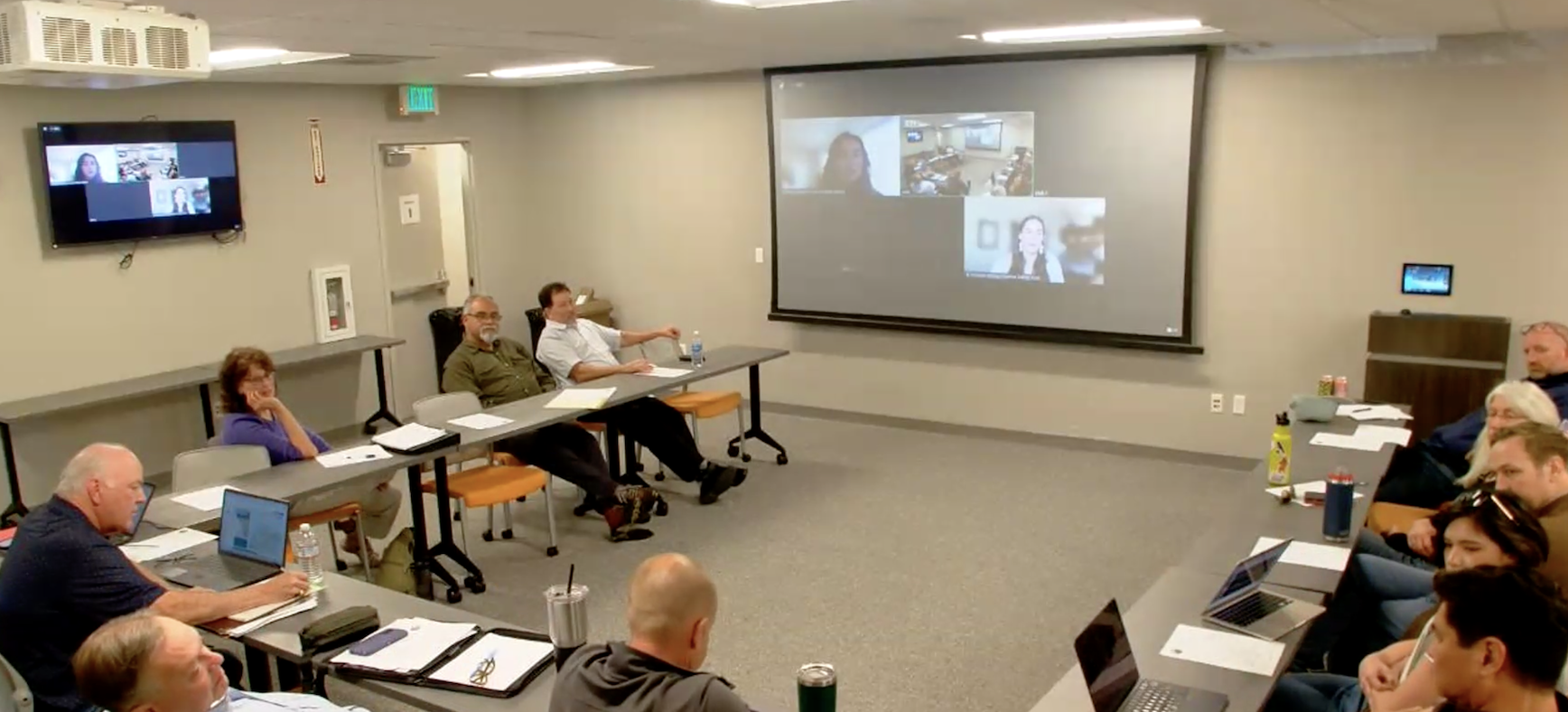
777 Arnold Dr., Martinez, CA 94553 - Paramount Room https://cchealth.zoom.us/j/98031936341 Meeting ID: 980 3193 6341
4th Thursdays at 4pm
Locunity is an independent informational service and is not an official government page for this commission. All information is sourced from public footage and an analysis of official agendas with the aid of responsible, fact-checked AI. to report an error or omission.
Chemical Accidents Up 51% Nationally; SB 883 Targets Reactive Storage Facilities
Commissioner Flores highlighted SB 883, prompted by the Garden Grove disaster, which would restrict building permits for reactive chemical storage facilities.
Why it matters: While Contra Costa lacks the specific facility type that triggered SB 883, the bill's broad language on reactive chemicals could affect the county's major industrial facilities if enacted.
Commissioner Pushes for Pipeline Safety Update Amid Federal Rule Changes
Commissioner Brennan requested an updated presentation on pipeline safety rules, citing concerns about aging infrastructure and diverging federal-state standards.
Why it matters: With federal safety rules changing rapidly, the commission wants to assess whether California's pipeline protections remain adequate for Contra Costa's extensive pipeline infrastructure.
Richmond Dry Cleaner Plume Sparks Call for Public Education on Vapor Intrusion
Commissioners discussed VOC contamination from a former Richmond dry cleaner that forced Kennedy High School to close and may have spread further south.
Why it matters: The contamination plume may extend beyond the high school into residential areas, and commissioners want a public forum speaker to help demystify vapor intrusion science for affected communities.
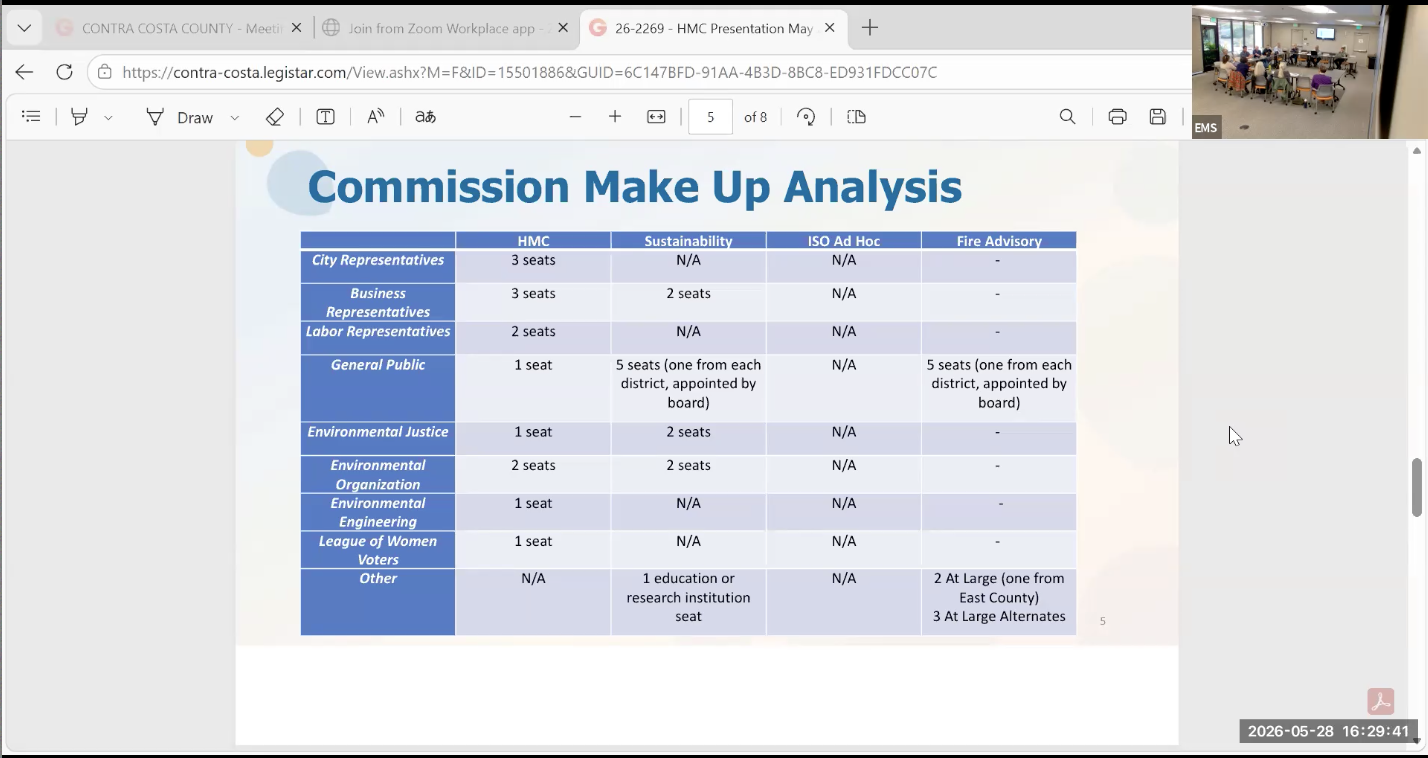
Commission Considers Replacing Standing Committees With Ad Hoc Groups
Staff suggested the commission could abandon standing committees in favor of issue-specific ad hoc committees to gain flexibility and avoid quorum problems.
Why it matters: Chronic quorum failures in three-member subcommittees have stalled key initiatives; an ad hoc model would let up to seven commissioners participate without Brown Act constraints.
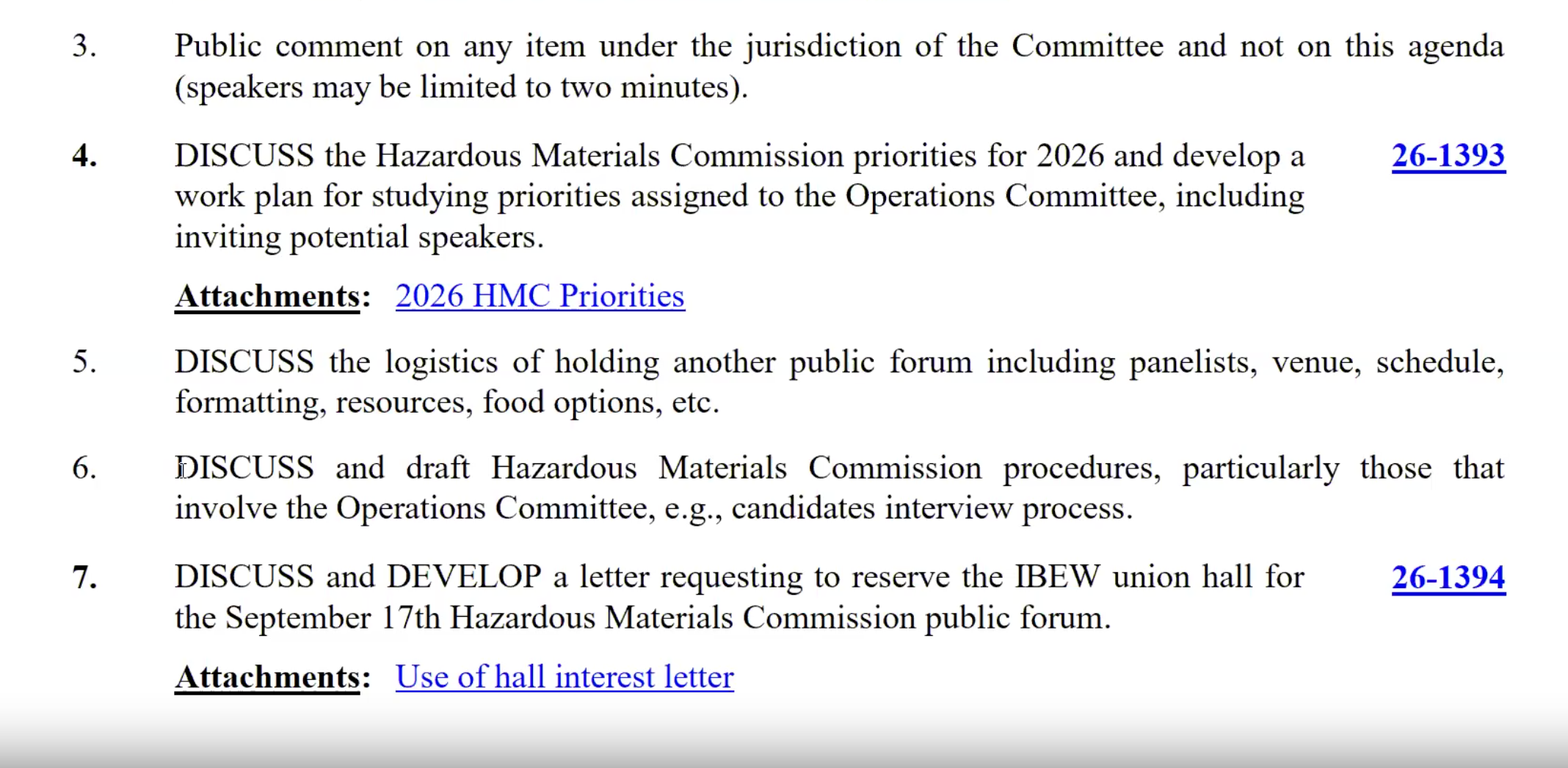
Public Forum Postponed to Spring 2027 After Venue and Speaker Failures
The commission unanimously postponed its public forum to late April 2027 after losing the IBEW Hall venue due to insurance issues and failing to secure speakers by the August 10 deadline.
Why it matters: The commission's only major public outreach event has now been postponed twice; the new plan includes a community survey and expanded ad hoc committee to prevent another cancellation.
Commission Develops Intern Syllabus With Structured Topic Selection
The Operations Committee drafted intern expectations including hazmat shadowing, commissioner interviews, and commission-curated research topics.
Why it matters: The program shift to commission-assigned topics and the unresolved question of whether ConFire can use the county's Pathways program may delay intern recruitment to 2027.
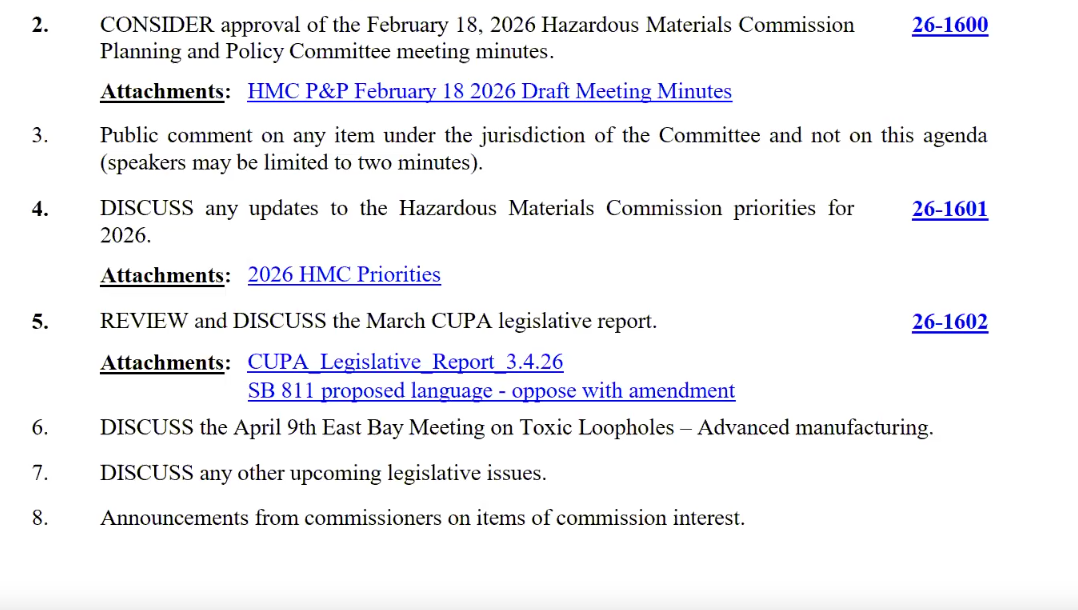
SB 954, which strengthens CEQA protections weakened by SB 131 for advanced manufacturing facilities, has passed the Assembly and heads to the Senate.
Why it matters: The bill restores environmental review safeguards for manufacturing projects that were weakened under SB 131, directly affecting facility permitting in industrial counties like Contra Costa.
900-Signature Petition Names HazMat Commission as Decision-Maker on Refinery Cleanup Bond
A Change.org petition with 900+ signatures demands the Board of Supervisors and the Hazardous Materials Commission require PBF Energy to post a decommissioning bond for the Martinez refinery.
Why it matters: The petition elevates the commission's profile on refinery accountability, though staff noted existing regulations already require financial responsibility for cleanup—raising questions about whether current safeguards are sufficient.
Contra Costa County
Published Reports
Track this commission to get the latest reports in your inbox