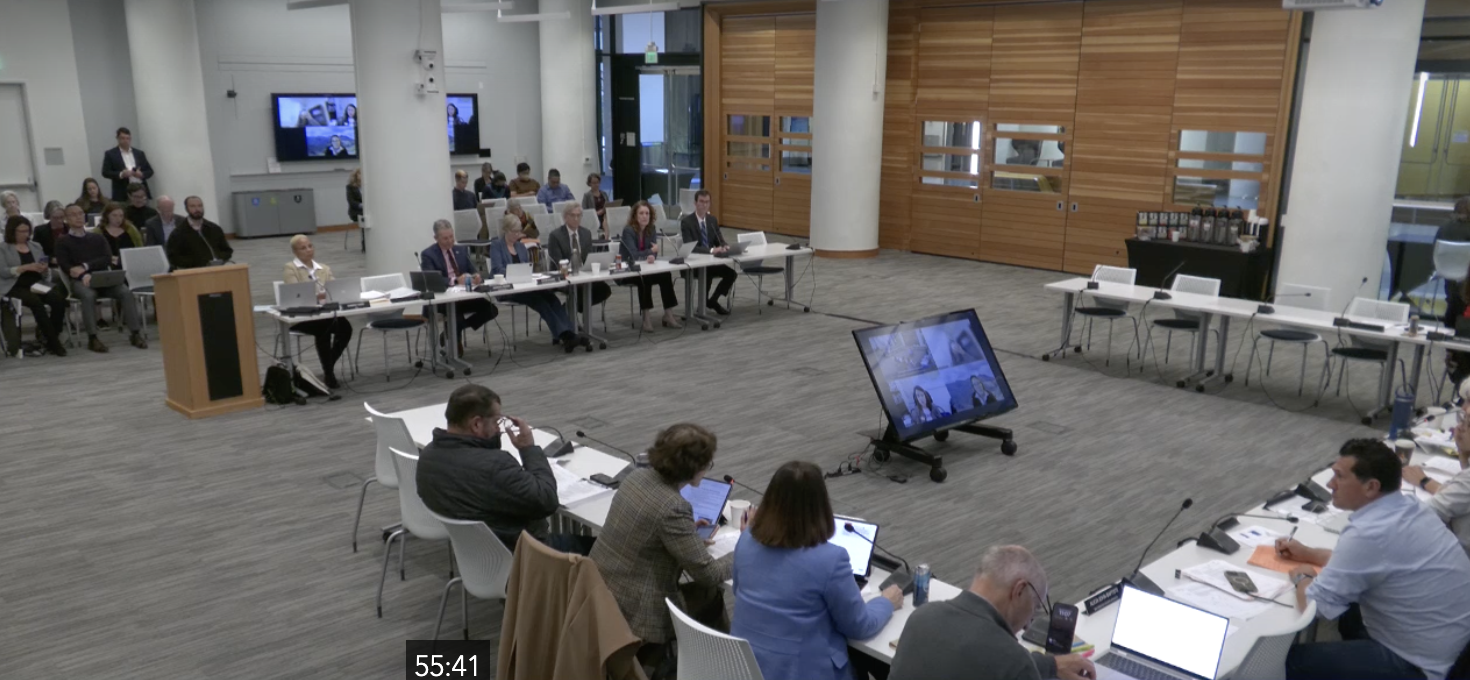
The regional transportation agency of the San Francisco Bay Area responsible for planning, funding, and coordinating transportation projects and programs.
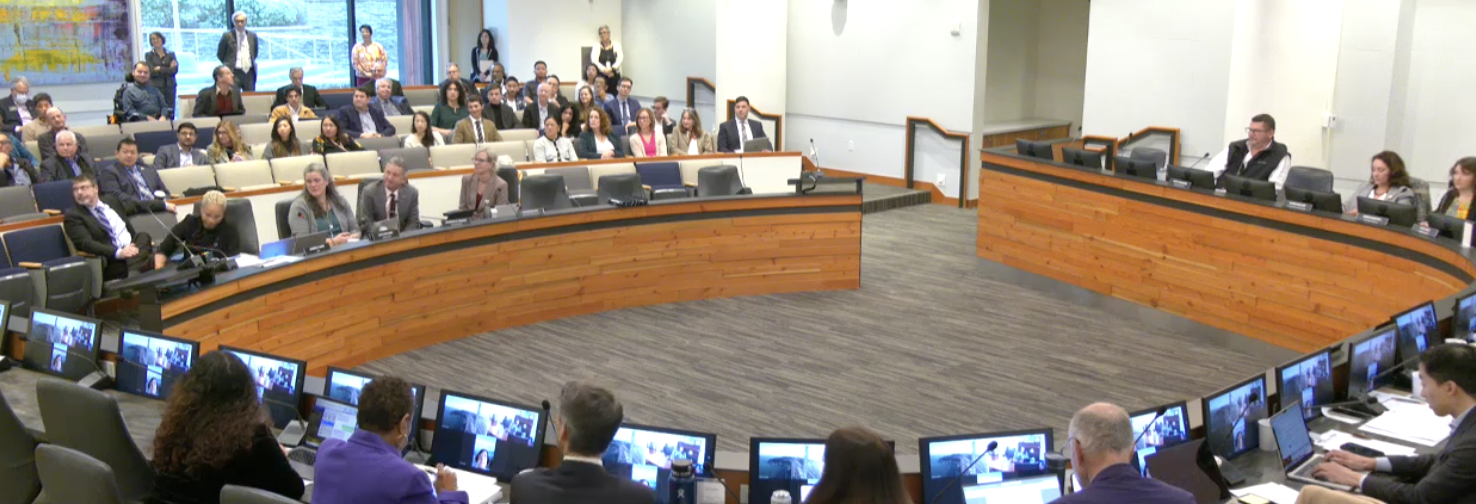
Bay Area Metro Center — 375 Beale Street, San Francisco, CA 94105; Board Room (primary). Occasionally held in the Yerba Buena Conference Room or other rooms as noted.
Wednesdays at 9:35 a.m.
Locunity is an independent informational service and is not an official government page for this commission. All information is sourced from public footage and an analysis of official agendas with the aid of responsible, fact-checked AI. to report an error or omission.
Public Commenters Demand Independent Oversight Staff and Fiduciary Accountability for Transit Spending
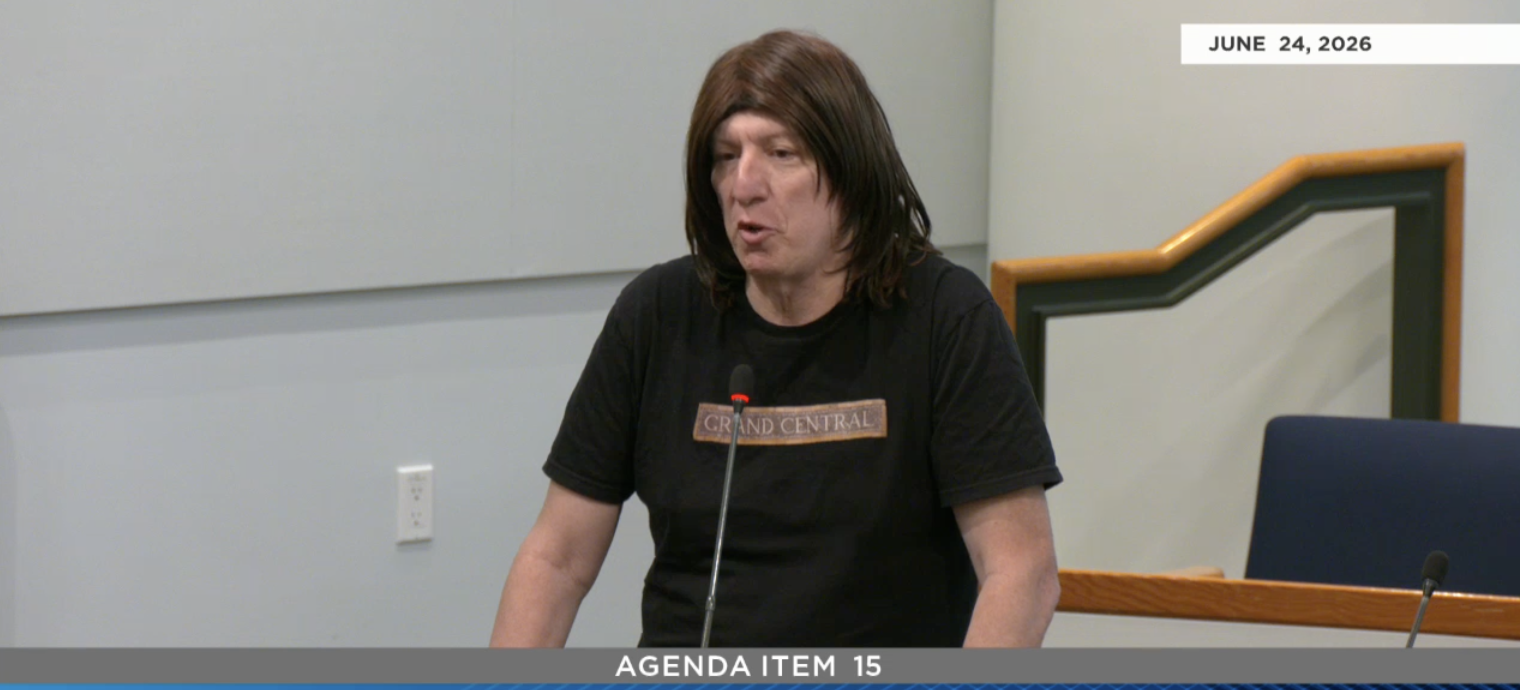
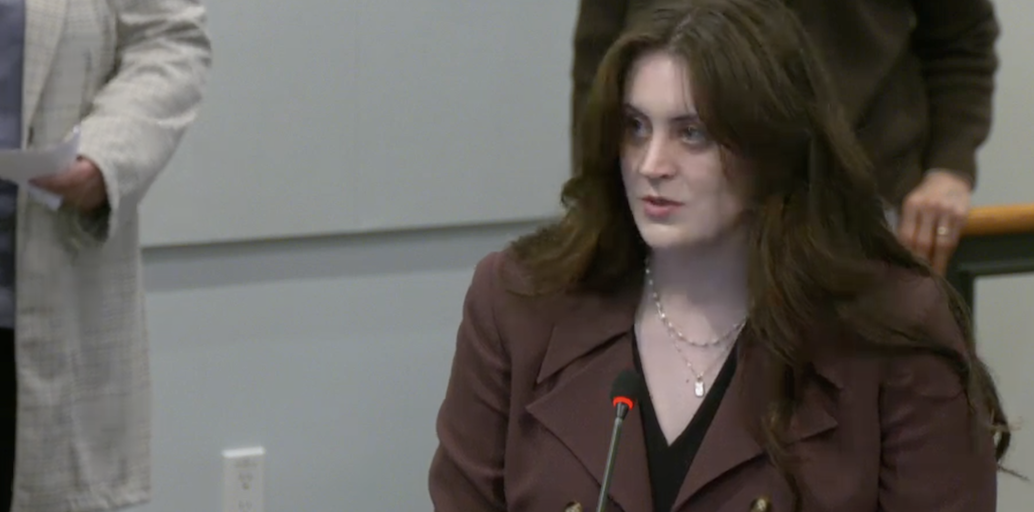
Two public commenters called for independent staff and inspectors general to help MTC commissioners oversee transit agency costs and performance.
Why it matters: Bay Area transit costs have drawn national scrutiny — one commenter cited Caltrain electrification costing seven times the global benchmark — raising questions about whether MTC has sufficient independent capacity to hold agencies accountable.
Clipper Migrates 2.3M Cards With System Stable for 30 Days; BART Vending Machine Fix Imminent
Staff reported 2.3 million Clipper cards migrated to the new account-based system, with over 50% of trips now processed through it and a 30-day stability milestone achieved.
Why it matters: The Clipper fare card serves all major Bay Area transit agencies; successful migration of remaining discount cardholders is critical to delivering regional transfer discounts, and ongoing BART vending machine failures are frustrating riders and station agents.
MTC Gives Legal Direction on Cubic Clipper Dispute but Takes No Reportable Action
The Commission met in closed session to consider initiating litigation against Cubic Transportation Systems over the Clipper fare system contract, giving direction but taking no reportable action.
Why it matters: Cubic is the primary contractor for the Next-Generation Clipper fare payment system used by millions of Bay Area transit riders; potential litigation signals serious contractual disputes that could affect the system's rollout timeline and costs.
Metropolitan Transportation Commission
JLAC AuditCommission97d agoJune 24, 2026
State audit finds East Bay transit well-coordinated but flags MTC timeline delays
A JLAC audit found East Bay transit agencies coordinate effectively with minimal duplication but recommended MTC set realistic timelines for its Transit Transformation Action Plan.
Why it matters: The audit, requested by Senator Wahab to assess consolidation feasibility, found consolidation offers limited benefit but flagged that transit agencies risk depleting reserves by FY 2027 and face costly zero-emission fleet transitions.
Metropolitan Transportation Commission
FY 2026-27 BudgetCommission97d agoJune 24, 2026
Commission adopts FY 2026-27 budget with 3.8% COLA and nearly $79M in reserves
MTC adopted its FY 2026-27 operating and capital budget projecting a $600K operating deficit with reserves at nearly $79 million, well above the $38M policy minimum.
Why it matters: The budget reflects higher-than-expected inflation (3.8% COLA), modest federal grant decreases, and uncertainty around tariff-driven economic disruption.
Commission awards $8M for conservation, outdoor access, and urban greening
Commissioners approved $8 million in Priority Conservation Area grants to protect natural and agricultural lands and improve outdoor access under Plan Bay Area 2050+.
Why it matters: These grants advance regional strategies for land conservation, outdoor recreation access, and urban greening across the nine-county Bay Area.
Metropolitan Transportation Commission
SB 125Commission97d agoJune 24, 2026
Commission sends $165.8M to BART for Transbay Core Capacity; public commenter warns about BART extension risks
MTC allocated $165.8 million in SB 125 regional funding to BART's Transbay Core Capacity Program while a public commenter raised concerns about the BART Silicon Valley extension.
Why it matters: The allocation funds a signature regional transit expansion, but a Santa Clara County grand jury report flagging oversight failures on the BART extension adds uncertainty about future funding commitments.
Metropolitan Transportation Commission
Regional Measure 3Commission97d agoJune 24, 2026
Commission approves RM3 project amendments and $150M active transportation grant guidelines
Commissioners approved modifications to five RM3 capital projects and adopted Cycle 2 guidelines for the $150 million Safe Routes to Transit and Bay Trail grant program.
Why it matters: These actions reshape RM3 capital spending and set criteria for the next round of active transportation grants serving bike and pedestrian access to transit.
Metropolitan Transportation Commission
Published Reports
Track this commission to get the latest reports in your inbox