The Stationary Source Committee advises and makes recommendations to the Board of Directors relating to the air quality and climate impacts of stationary sources, including indirect sources. The Committee advises and makes recommendations to the Board of Directors regarding all aspects of the Air District’s stationary source programs, including but not limited to the following: permitting, compliance, small business assistance, rule development, California Environmental Quality Act thresholds of significance, and state and federal regulations that affect stationary sources. The Committee advises and makes recommendations to the Board of Directors regarding air quality planning and the development and implementation of State and Federal Air Quality Management Plans, as well as support for regional and local climate planning.
This committee reviews and recommends stationary source policies, issues, and programs related to air quality management plans, air quality and economic modeling, permitting, compliance, small business assistance, toxics, source education, rule development, and grants. The committee also advises the Board of Directors on the District’s position on all regulations that affect stationary sources.
Locunity is an independent informational service and is not an official government page for this commission. All information is sourced from public footage and an analysis of official agendas with the aid of responsible, fact-checked AI. to report an error or omission.
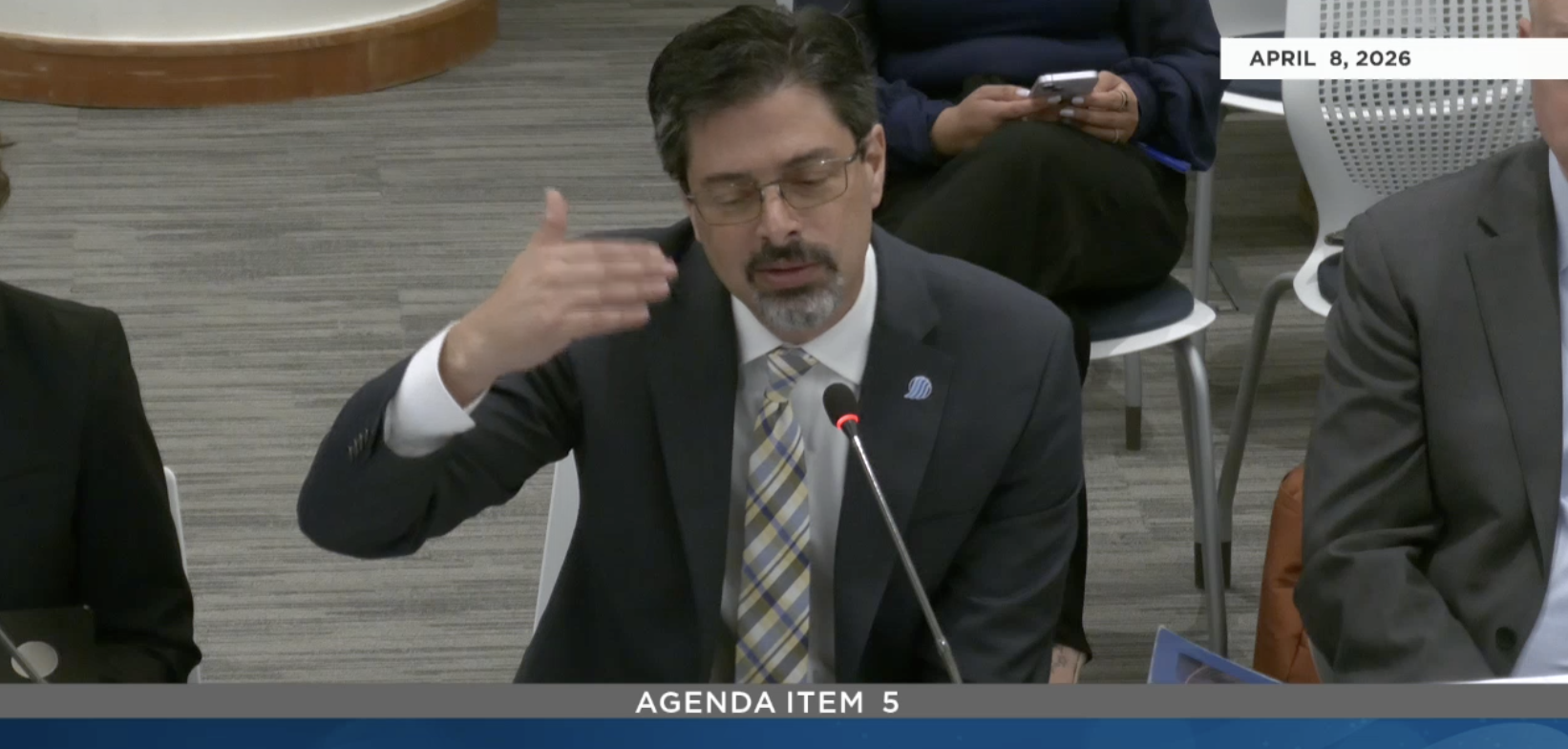
Mueller Presses for Housing Study; Adams Seeks Permit Update
Director Mueller asked that his request for a Rule 9-6 housing-stock study be noted in minutes, and Adams requested a Permit Efficiency Task Force update.
Why it matters: Pending agenda requests show unresolved disputes over a rule affecting housing stock and permit backlog oversight.
Bay Area Air District
Refinery Technical Working GroupStationary Source Committee11d agoOctober 14, 2026
Dispute Over Role of Refineries in Flare Rulemaking Process
Industry commenters said the working group lacked meaningful engagement; the Chair wanted refineries to present responses, while others warned against surrendering regulatory authority.
Why it matters: The process dispute will shape how industry input is incorporated into the draft rule.
Members Warn Flare Mitigation Fee Must Not Become Pay-to-Pollute
Staff are modeling an in-lieu mitigation fee on South Coast's approach, and directors cautioned it must reduce preventable flaring rather than become a revenue stream.
Why it matters: Fee design will determine whether refineries invest in prevention or pay to flare.
Bay Area Air District
Video MonitoringStationary Source Committee11d agoOctober 14, 2026
District Eyes Real-Time Access to Refinery Flare Video
Staff are exploring requiring real-time video and monitoring data from refineries; Director Lee suggested a voluntary pilot ahead of rulemaking.
Why it matters: Currently the District gets flare video only after the fact and cannot verify complaints in real time.
Members Push for Advance Notice of Planned Flaring
Directors asked whether refineries can be required to warn communities before turnarounds that cause flaring; staff said it is under study with legal counsel.
Why it matters: No notification system exists for planned flaring; South Coast requires advance notice and real-time alerts.
Biofuel Refineries Debated: Distinct Treatment or No Exemptions
Directors and commenters disagreed on whether renewable-fuel refineries should be analyzed differently from crude refineries under the new flare rules.
Why it matters: Two large Contra Costa facilities have converted to renewable fuel; differing treatment affects compliance costs and community protection.