Oakley Council Convenes Closed Session on Potential Lawsuit
City Council • OakleyApril 28, 2026
Locunity is an independent informational service and is not an official government page for this commission. All information is sourced from public footage and an analysis of official agendas with the aid of responsible, fact-checked AI. to report an error or omission.
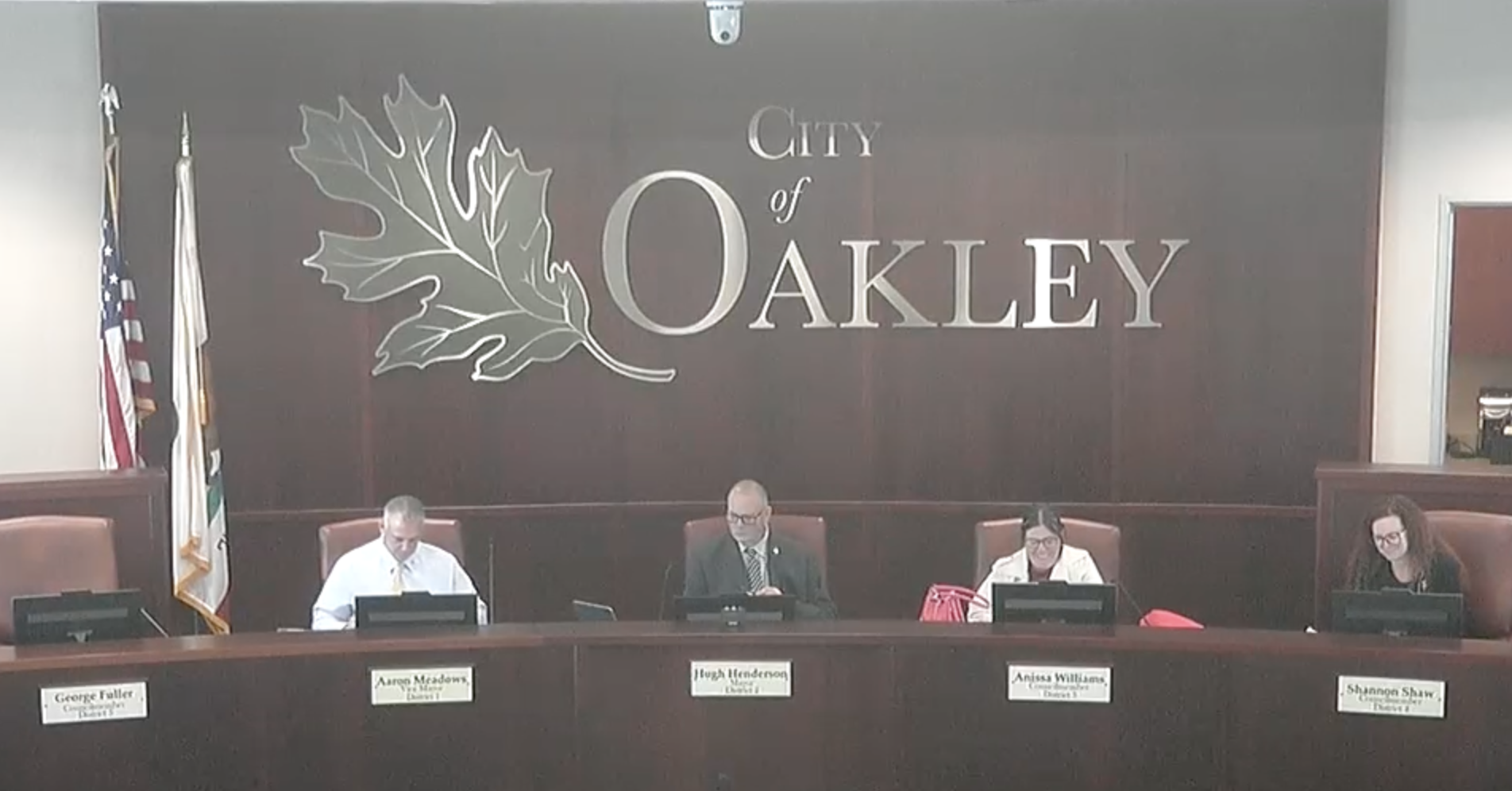
The Oakley City Council held a brief special meeting April 28 to enter closed session on anticipated litigation — a signal the city is actively weighing whether to initiate a lawsuit that could carry significant legal costs and policy consequences for residents.
The Oakley City Council's special meeting lasted only minutes in open session before members moved into closed session to discuss initiating litigation under Government Code Section 54956.9(d)(4) — the provision that allows a governing body to meet privately when it has decided, or is deciding, whether to file a lawsuit.
Why it matters: When a city invokes this section, it signals more than a routine legal review. It means the council is actively considering committing taxpayer-funded resources to offensive litigation — a step that can reshape policy priorities, strain budgets and define the city's posture toward outside parties for years.
Get reports in your inbox
Follow this commission for free and get the next report delivered by email. You'll be able to access the full archive, get real-time updates, and track the topics or keywords you care about most.