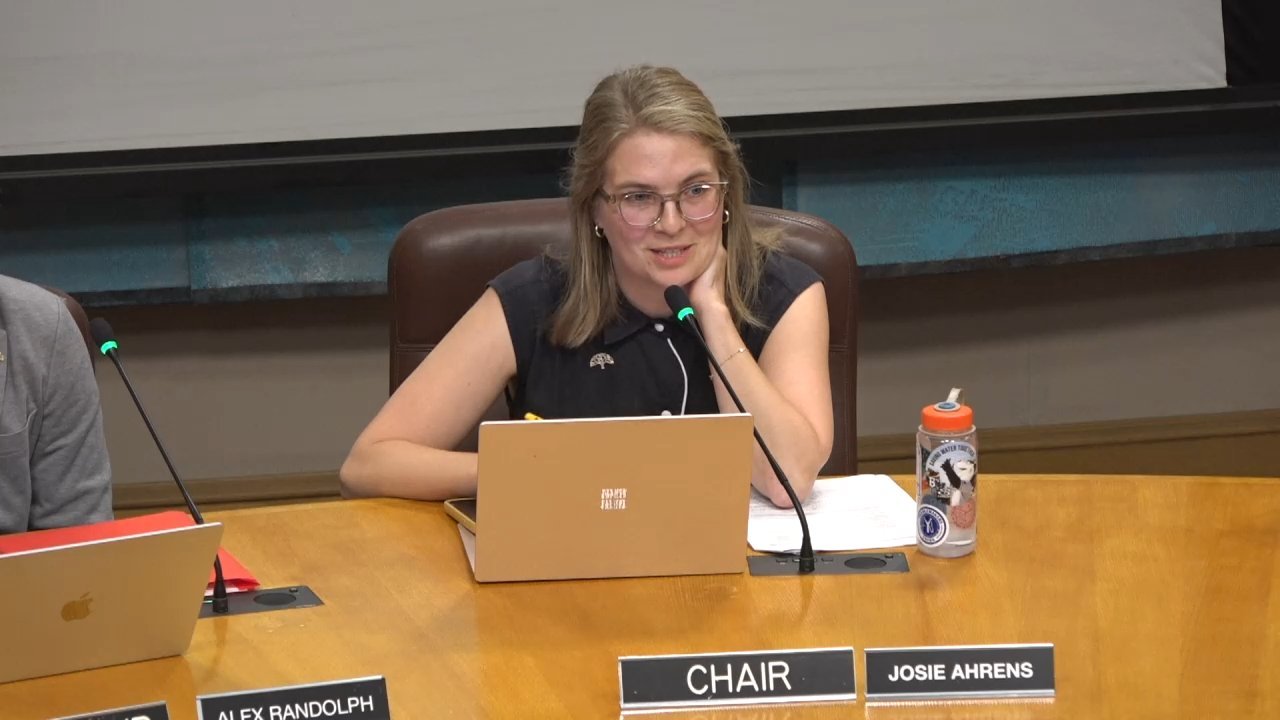
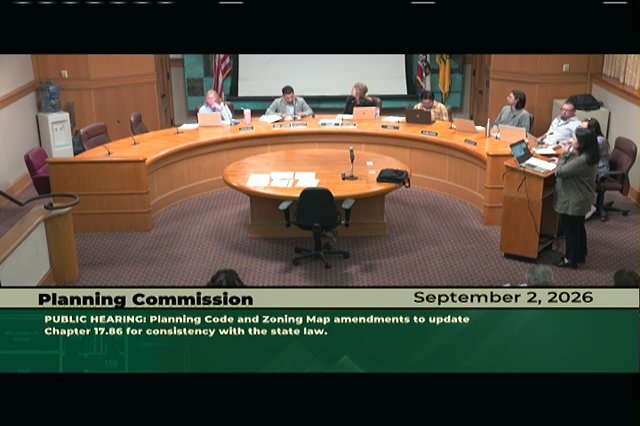
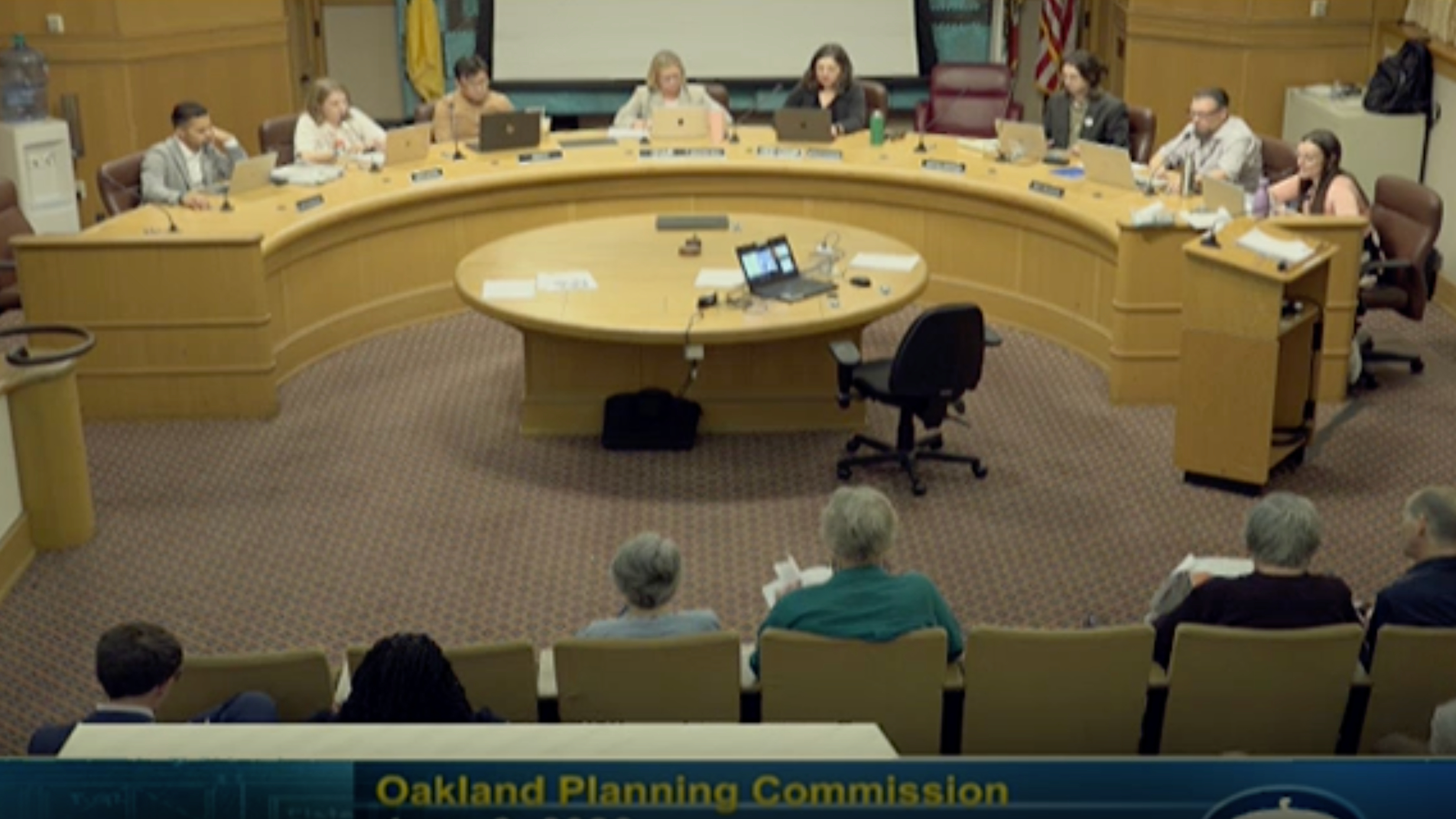
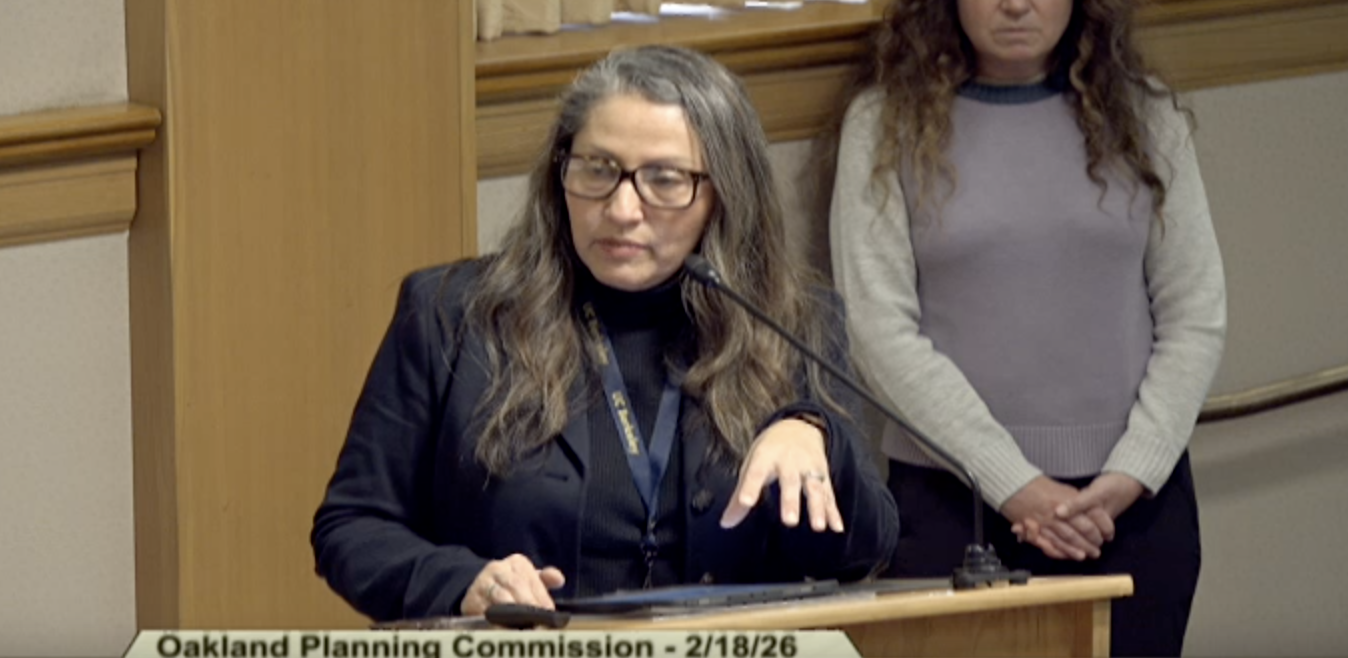
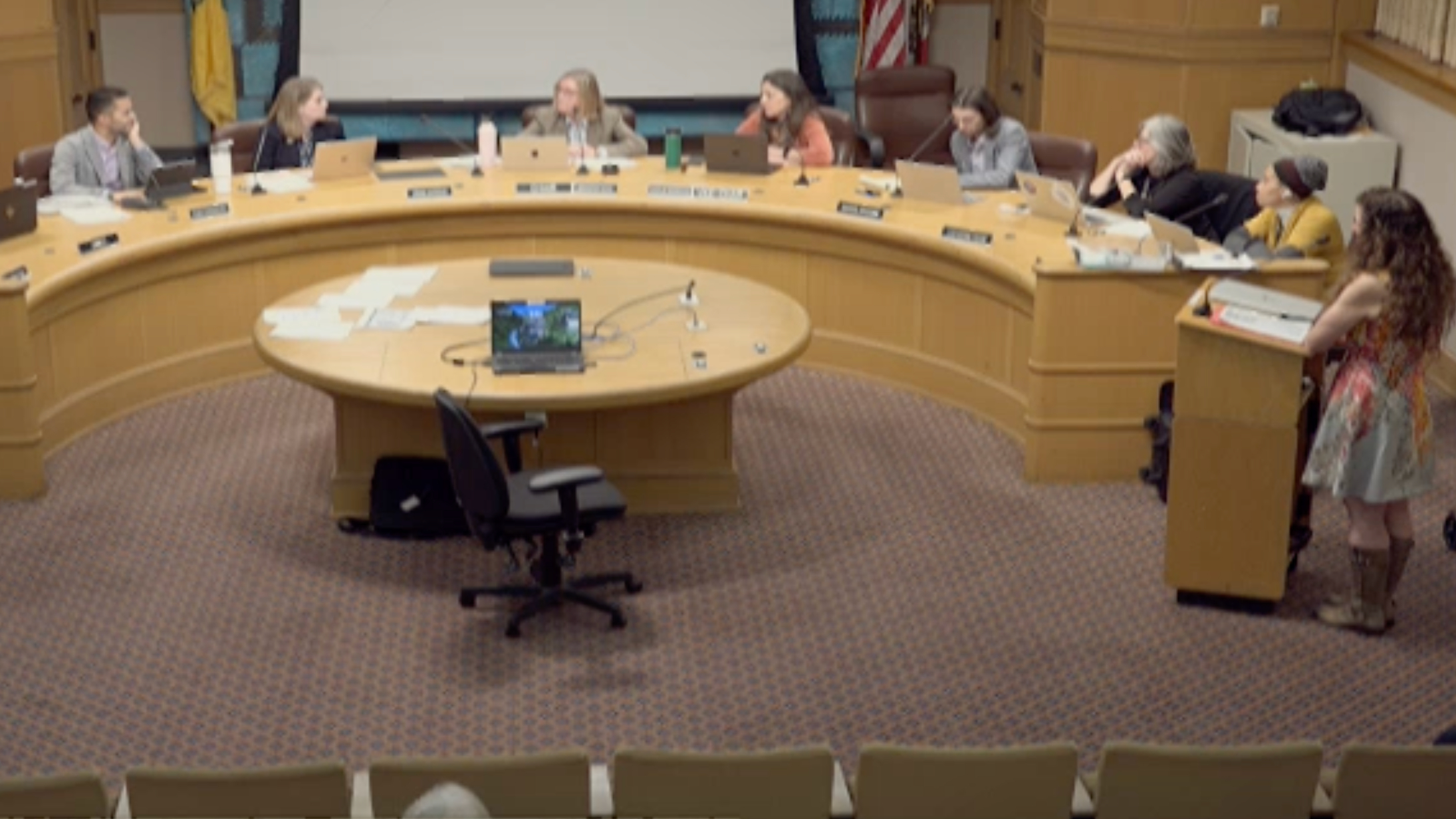
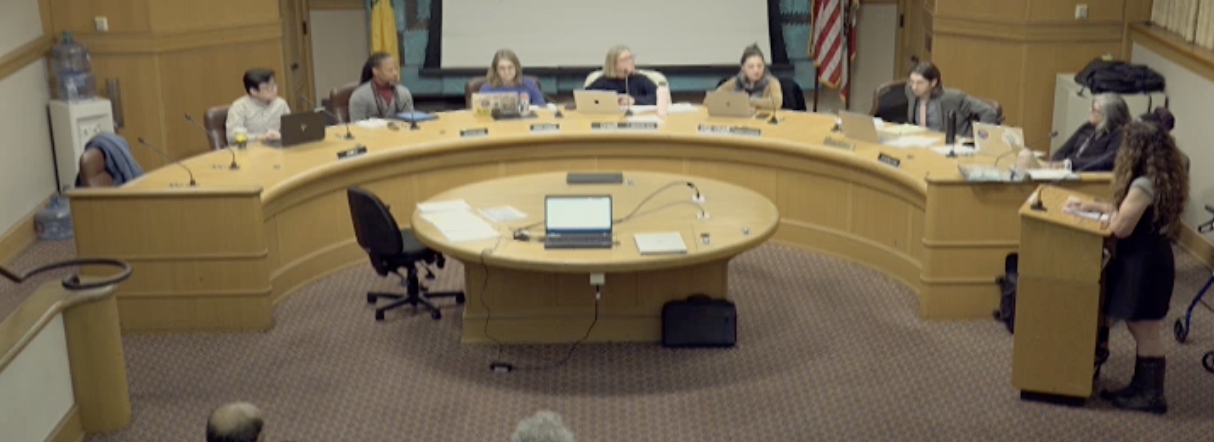
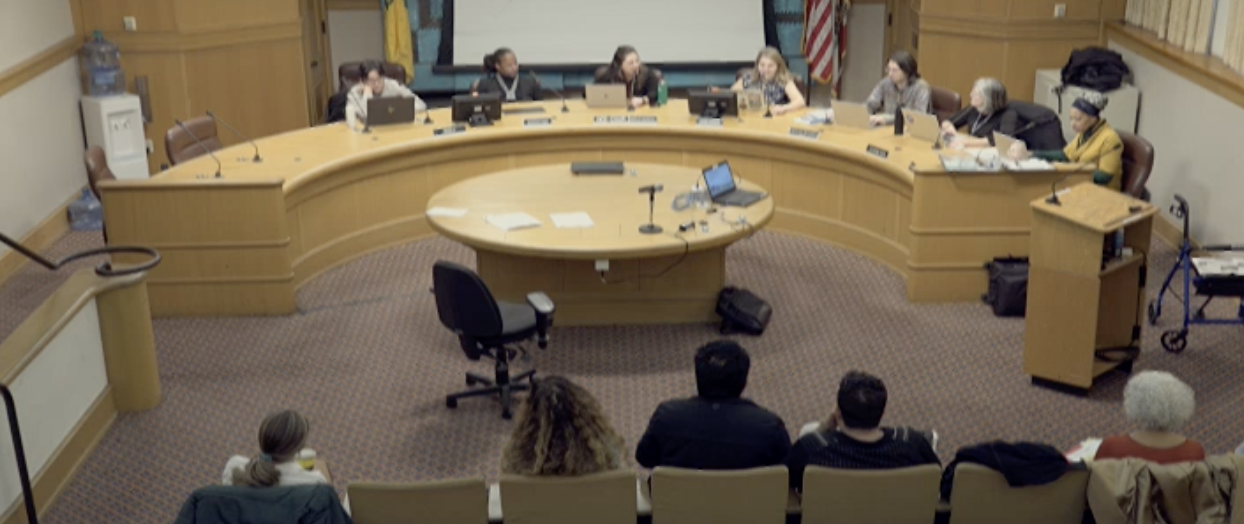
The Planning Commission promotes the orderly growth and development of the City through studies, decisions on development proposals, policy recommendations to the City Council, and related activities.
Locunity is an independent informational service and is not an official government page for this commission. All information is sourced from public footage and an analysis of official agendas with the aid of responsible, fact-checked AI. to report an error or omission.
Oakland Approves Beer Sales at Pool Hall Near Schools with Youth Safeguards
Planning Commission unanimously approved on-site beer sales at 23rd Billiards with conditions requiring Friday-Saturday security guards, visible age-identification for under-21 patrons, and 30-day camera footage retention.
Why it matters: The pool hall is the only alcohol-serving venue near multiple schools on a low-activity commercial corridor; the conditions set a template for balancing small business viability with neighborhood safety in sensitive locations.
October 21 Meeting Cancelled as Commission Operates with Only Four Members
Staff announced the October 21 meeting will be cancelled because one of the four seated commissioners cannot attend, leaving no quorum.
Why it matters: The Commission is operating with only four of its seats filled, meaning any single absence prevents a quorum and forces meeting cancellations and agenda delays.
Oakland
Red Fox ResourcesPlanning Commission31d agoSeptember 24, 2026
Parks Commissioner Advocates for Green Business Targeted by Neighbor Complaint
Isaac Cosfried, a Parks and Rec commissioner, advocated for Red Fox Resources, a North Oakland green manufacturer he says has been unfairly targeted through government complaints.
Why it matters: The case may come before the Planning Commission and raises questions about weaponization of code enforcement against small businesses.
Rockridge Residents Blast 85-Foot Senior Housing Tower as Test Case for Citywide Density
Three Rockridge residents urged the Commission to scrutinize density bonus waivers for an 85-foot senior housing project they say will block sunlight, eliminate privacy, and set a citywide precedent.
Why it matters: Residents frame the project as a 'critical test case' for density bonus calculations across Oakland, with litigation threatened if staff rationale is not aligned with the law.
Oakland
Data CentersPlanning Commission31d agoSeptember 24, 2026
Data Center Moratorium Draft Heads to City Council October 6
Staff confirmed a draft data center moratorium considered at Life Enrichment Committee will go to City Council on October 6.
Why it matters: The moratorium could impose new zoning restrictions on data center development across Oakland, with implications for the planning code and Bureau of Planning operations.
Oakland
SB 79Planning Commission53d agoSeptember 2, 2026
Commission Unanimously Sends SB 79 Zoning Fixes to City Council
The Planning Commission recommended amendments to Chapter 17.86 that reclassify open space and industrial parcels near transit to bring Oakland into full compliance with state housing law.
Why it matters: Non-compliance with SB 79 could expose Oakland to state enforcement and loss of housing funding; these changes also set the stage for the General Plan Phase 2 alternative plan process.
Oakland
Data CentersPlanning Commission53d agoSeptember 2, 2026
Commission Flags Missing Zoning Category for Data Centers Amid Community Backlash
Vice Chair Randolph and public speakers raised alarms that Oakland lacks a zoning category for data centers, leaving no framework to assess impacts of proposed AI infrastructure projects.
Why it matters: With over 7,000 petition signatures opposing data centers and multiple projects announced, Oakland's lack of a specific use category leaves the city unable to impose conditions on noise, water, energy, or environmental justice impacts.
Rockridge Residents Mobilize Against Scale of Proposed Senior Housing at 6230 Claremont
Five public speakers and a 2,500-signature petition challenged the density, height, and traffic safety of a proposed 200+ unit senior care facility in Rockridge.
Why it matters: The project tests how Oakland applies density bonus calculations and gross-to-net conversion factors, setting precedent for development scale along College Avenue and near BART stations citywide.
Oakland
Published Reports
Track this commission to get the latest reports in your inbox