
Woodfin Council Will Run Its Own 2027 Retreat, Skipping Facilitator
Town Council • WoodfinNovember 17, 2026
Locunity is an independent informational service and is not an official government page for this commission. All information is sourced from public footage and an analysis of official agendas with the aid of responsible, fact-checked AI. to report an error or omission.
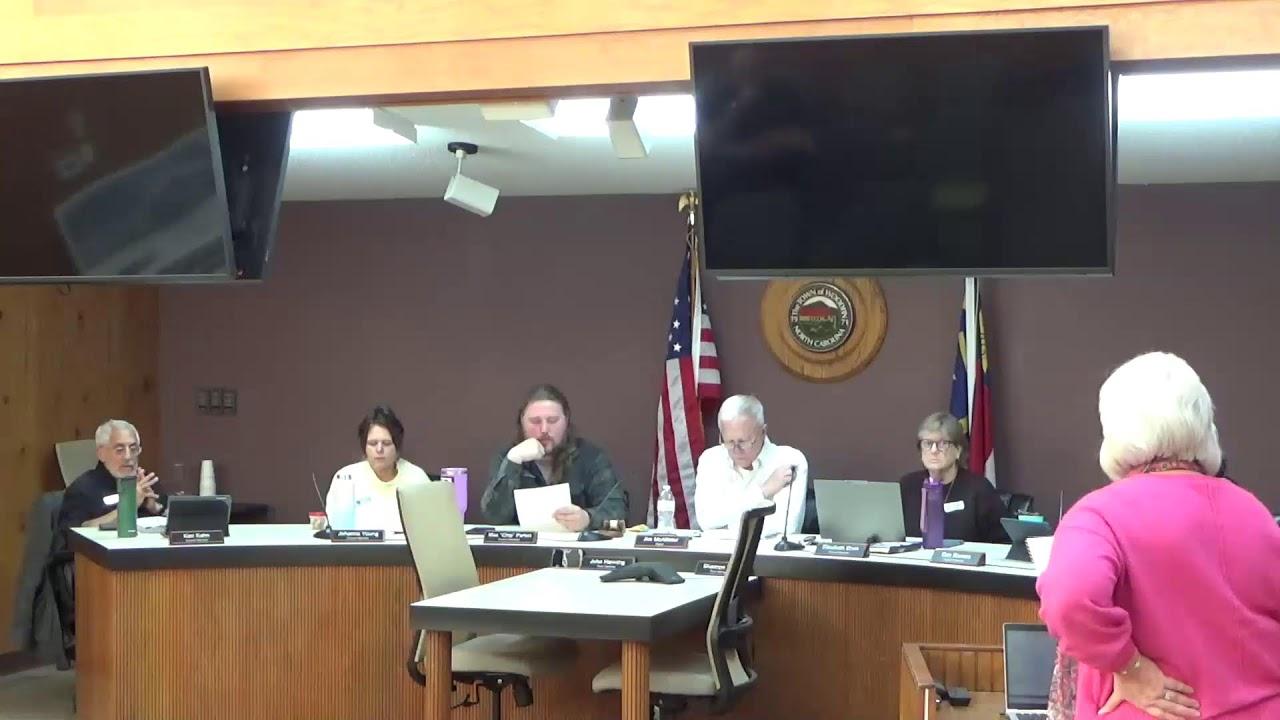
Woodfin Town Council is taking control of its own priority-setting, voting at a Nov. 17, 2026, special meeting to run its 2027 strategic retreat without a paid outside facilitator. Members also split the retreat into two January sessions at Town Hall, so priorities are tabled first and decided days later, before budget work sessions begin in March.
- Council votes to self-facilitate its 2027 retreat after members said recent facilitators stifled discussion.
- Retreat split into two sessions: Thursday, Jan. 28, and Saturday, Jan. 30, 2027, at Town Hall.
- Retreat agenda takes shape: a financial update, a development and code update, and short department-head briefings.
- Budget work session calendar reviewed: a possible shift of the May 11 session, with adoption expected on the December consent agenda.
No Hired Hand: Council Will Lead Itself
Why it matters: The retreat sets the council's priorities, which then guide spring budget work sessions. Members chose to run that process themselves in what they called a low-stakes year, after criticism of recent paid facilitators.
Where things stand: Several members said recent facilitators impeded discussion and shaped priorities. They added that members know each other well and can police themselves.
"The facilitator has actually kind of impeded our ability to actually get our voice out," said Councilmember Johanna Young.
Councilmember Ken Kahn said a facilitator's guiding role still has value, but "I don't think you need to pay money for that."
One proposal borrowed from the courtroom: presentations first, then "closing arguments" before members set priorities.
The other side: Mayor Jim McAllister said a good facilitator can be phenomenal. His complaint was about the quality of recent hires, not the concept.
"I don't think our facilitator two years ago was qualified, and last year was questionable in my opinion," McAllister said.
Staff described what the council gives up. Facilitators "help guide the discussion, keep you on topic and task, and then at the end they help summarize all the information into a draft of a strategic plan," a staff member said. Staff accepted that the council could try it alone.
Decisions and stakeholder impacts: A councilmember moved that "we choose to facilitate the 2027 retreat ourselves as members of council." Kahn seconded. The motion passed on a voice vote, and no tally was announced.
The town avoids facilitator fees, though no dollar figure was discussed. The trade-off is that the job of keeping members on task, and possibly turning the discussion into a draft strategic plan, shifts to the members themselves and to staff. Residents who track town priorities should watch whether a council-led process produces a clearer plan than recent facilitated ones.
Two Sessions, One Room: Retreat Dates and Agenda Set
Why it matters: Kahn argued that past retreats shortchanged the decision-making itself. "The retreats have spent the least amount of time on the most important part of it," he said.
His fix was one session to put priorities on the table and a second to discuss and decide them.
Where things stand: Members agreed on two half-day sessions. They debated weekday versus weekend meetings, start times and whether the sessions should run back to back, and some members flagged weekday constraints.
The emerging plan is a presentation-heavy first session where priorities are surfaced, followed by a fresh second session to settle them. Staff said January is the usual target before budget season starts in March. Staff also noted that the town manager selection process is adding meetings to the calendar.
After ruling out Martin Luther King Jr. Day and a Wednesday that conflicted with a member's schedule, McAllister announced the plan: "Thursday, January 28th, a late afternoon session, and then coming back on Saturday, January 30th, 9 to 12." The Thursday session would run roughly 3 p.m. to 6 or 7 p.m. The Town Clerk saw no conflicting meetings, and the mayor said the dates could be revisited.
Location: A councilmember said MSD had offered space. "We have been offered the training space at MSD, and that space is free," the councilmember said. MSD had not been asked about a weekend date, however.
Members viewed the French Broad event center as too large and possibly costly, and noted that students use it until midafternoon. Another councilmember pushed for home turf: "Why not here? We did it here last year." That member pointed to Town Hall's audiovisual support. Staff said off-site retreats are traditional, to limit distractions, but Town Hall would work. Council chose Town Hall and may take up MSD's offer another time.
What's on the agenda: Staff will give a high-level financial update covering:
- the economic outlook
- interest rates
- sales tax
- debt
- the audit
- fund balance
A member requested a development update given high interest rates. That update would cover the code update consultant and the horse farm project near the Weaverville-Merriman corridor. Members also asked to hear from the police chief on upcoming challenges and equipment.
Staff offered 5 to 10 minutes each from these departments:
- facilities and public works
- police
- planning and zoning
- finance
What's next: Staff will circulate a tentative agenda and poll the council on what information members want. McAllister noted that a retrospective at the December meeting could shorten the review portion of the retreat.
Budget Calendar Gets a First Look
Why it matters: Budget work sessions begin in March. This year's process again includes a revenue-neutral rate discussion, triggered by property reappraisal. The revenue-neutral rate is the tax rate that would bring in roughly the same property tax revenue as before values were reassessed.
Where things stand: McAllister said the proposed calendar was shared early out of respect for members with weekday constraints. Staff said the calendar follows historic practice and noted that last year's lunchtime meetings were a hardship for some members.
One member asked to move the May 11 session to May 4. Staff flagged conflicts with the planning board on that date and suggested an earlier start time instead. Others floated May 5 or 6.
Staff described a June special meeting on the calendar as a placeholder. "I don't anticipate having the June meeting unless there is a need," a staff member said.
Decisions and stakeholder impacts: The council took no vote. Members will send scheduling concerns to staff. For residents and taxpayers, the timing matters most in spring, when the revenue-neutral rate discussion will shape the property tax conversation.
What's next: The calendars are expected on the council's December consent agenda.
Minor Items
- Agenda approved: Council approved the two-topic special meeting agenda by voice vote.
- Adjournment: The meeting adjourned by voice vote after the budget calendar review.
Looking Ahead
Watch the December meeting for budget calendar adoption on consent and the mayor's proposed retrospective. Then mark Jan. 28 and Jan. 30, 2027, when the council tests whether it can set its own priorities without a hired facilitator.