
Weaverville Weighs $36,000 Growth Modeling Tool, Eyes December Decision
Town Council • WeavervilleNovember 10, 2026
Locunity is an independent informational service and is not an official government page for this commission. All information is sourced from public footage and an analysis of official agendas with the aid of responsible, fact-checked AI. to report an error or omission.
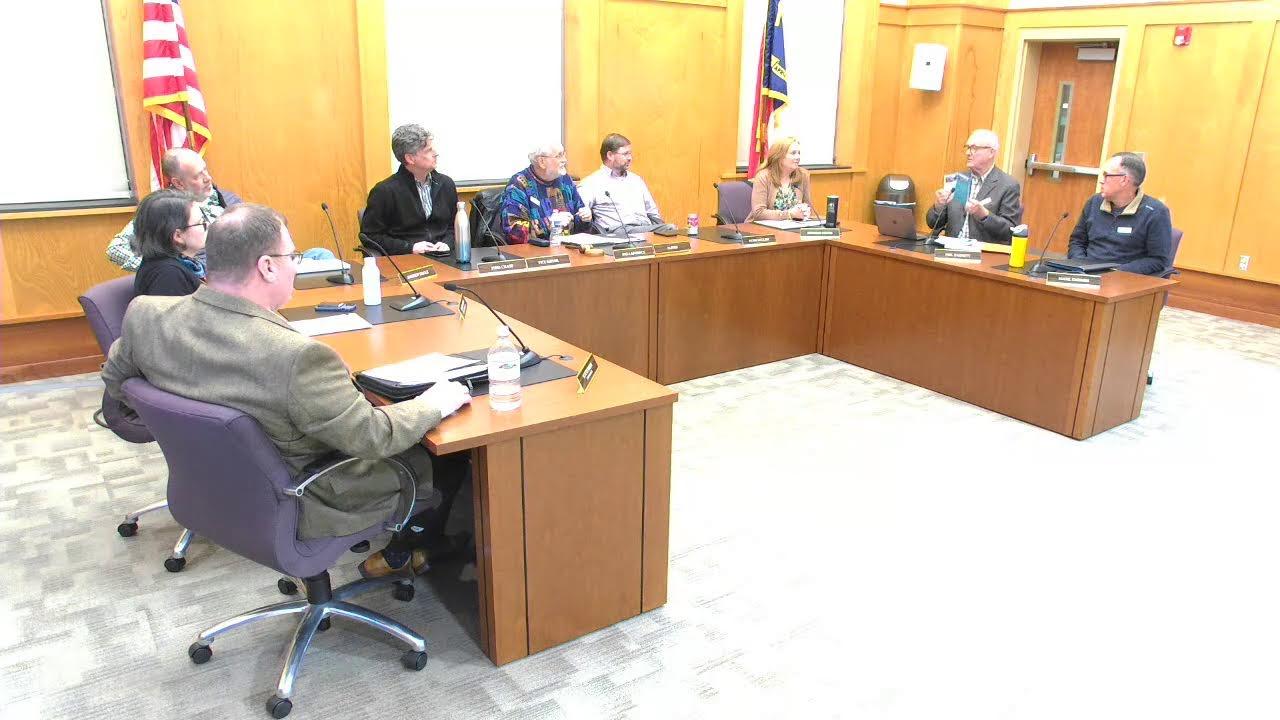
Weaverville Town Council spent its Nov. 10, 2026, meeting deciding whether to buy a clearer view of what growth actually costs the town. Urban 3 and the Realtor Association pitched a Phase 2 fiscal modeling tool estimated near $36,000, and staff will bring proposals back for the December agenda. No vote was taken.
- Urban 3 Phase 2 pitch: a roughly $36,000 add-on for revenue projections and an ROI tool
- Town share could be about $10,000, with realtors covering up to about $20,000
- Annexation math in focus as a councilmember argued Maple Trace would lose money
- No ETJ, county approvals first: members worry the town has little say over growth
- New hospital and a possible new Main Street frame Weaverville's next growth wave
Realtors, Urban 3 Pitch a Fiscal Lens on Growth
The basics: Urban 3 is a consulting firm that models the fiscal productivity of land. The Realtor Association paid for Phase 1 of its work in Weaverville. Phase 2 would add property tax revenue projections, focused on public land, plus a municipal pro forma tool. A pro forma is a financial model that estimates return on investment (ROI). This one would run inside the town's existing Esri mapping platform.
Why it matters: The tool would show whether annexations and developments like Maple Trace gain or lose money for the town over the long term. That question will grow sharper as a new hospital drives growth.
Where things stand: The total Phase 2 cost was estimated near $36,000. The Realtor Association would contribute up to about $20,000, and staff said the town might be asked for about $10,000.
Diane Sullivan of Urban 3 told the council that revenue-only scenarios cost less than modeling both revenues and costs. That trade-off will likely shape what the town buys. A revenue-only version is cheaper but tells the council less about whether a project's service costs outrun its tax returns.
Matt Allen of the Realtor Association pressed for follow-through and suggested a task force to carry the work forward.
"I don't want this to be another study that just falls by the wayside," said Allen.
The other side: Councilmembers asked how the work would account for Weaverville's small-town character. They also asked about scope limits, so the town knows exactly what it would pay for. They noted that county approvals often come before a project seeks annexation, which limits how much leverage any model gives the town.
One councilmember argued the data would show that annexing Maple Trace loses money for the town. That member pushed for a concrete outcome.
"What's our next step? What's our action item as a council?" asked the councilmember.
Decisions and stakeholder impacts: Town staff answered that the partners likely want a simple answer on funding. Staff said that decision was not needed at this meeting.
"Is the town willing to put $10,000 towards that venture or not," said town staff.
For taxpayers, the question is whether about $10,000 now buys better annexation decisions later. For the Realtor Association, which funded Phase 1 and would fund most of Phase 2, the work positions the group as a partner in town growth policy. For developers seeking annexation, a working ROI tool could mean projects get judged on long-term fiscal return, not just approval.
What's next: Staff will gather Urban 3 proposals and costs for a December council agenda. At that point the council would decide whether to commit town funds.
Little Say Over Growth: County Calls the Shots
Why it matters: Weaverville lacks ETJ authority and faces possible state tax changes. That makes intentional growth planning central to future services and revenue.
The basics: ETJ, or extraterritorial jurisdiction, lets a town apply its land-use rules to areas just outside its limits. Town staff confirmed Weaverville does not have it.
Where things stand: A councilmember said Buncombe County approves most projects before they ever seek annexation into Weaverville. By the time a project reaches the town, much of its shape is already set.
Urban 3 suggested two responses:
- Hold joint meetings with Buncombe County on growth decisions.
- Steer development toward designated growth areas.
Councilmember Phil Barnett pointed to the new hospital as a growth driver. He floated the idea of a potential new Main Street near Reams Creek or Northridge Farms.
Members also discussed revenue beyond the property tax, including sales tax and a transportation utility fee. That fee would be a charge tied to road use or upkeep. Urban 3's Phase 1 work recommended preserving downtown, which members weighed alongside any new commercial center.
Decisions and stakeholder impacts: No action was taken. Residents near Reams Creek, Northridge Farms and the hospital area have the most at stake in where growth lands. Downtown businesses have a stake in whether a second Main Street competes with or complements the existing core. Coordination with Buncombe County would decide whether the town shapes projects before annexation or only after.
What's next: These questions feed directly into the Phase 2 scope the council will see in December.
Minor Items
- The meeting opened with a Veterans Day announcement.
- Council discussed moving the butterfly to the Nature Park.
- Council discussed a school holiday meal.
Looking Ahead
Watch the December council agenda for Urban 3's Phase 2 proposals. The council will decide whether to put about $10,000 toward the roughly $36,000 project, and whether to buy the cheaper revenue-only version or the full revenue-and-cost model.