Locunity is an independent informational service and is not an official government page for this commission. All information is sourced from public footage and an analysis of official agendas with the aid of responsible, fact-checked AI. to report an error or omission.
Medical students and nurses demand investment in workforce and community trust before next pandemic
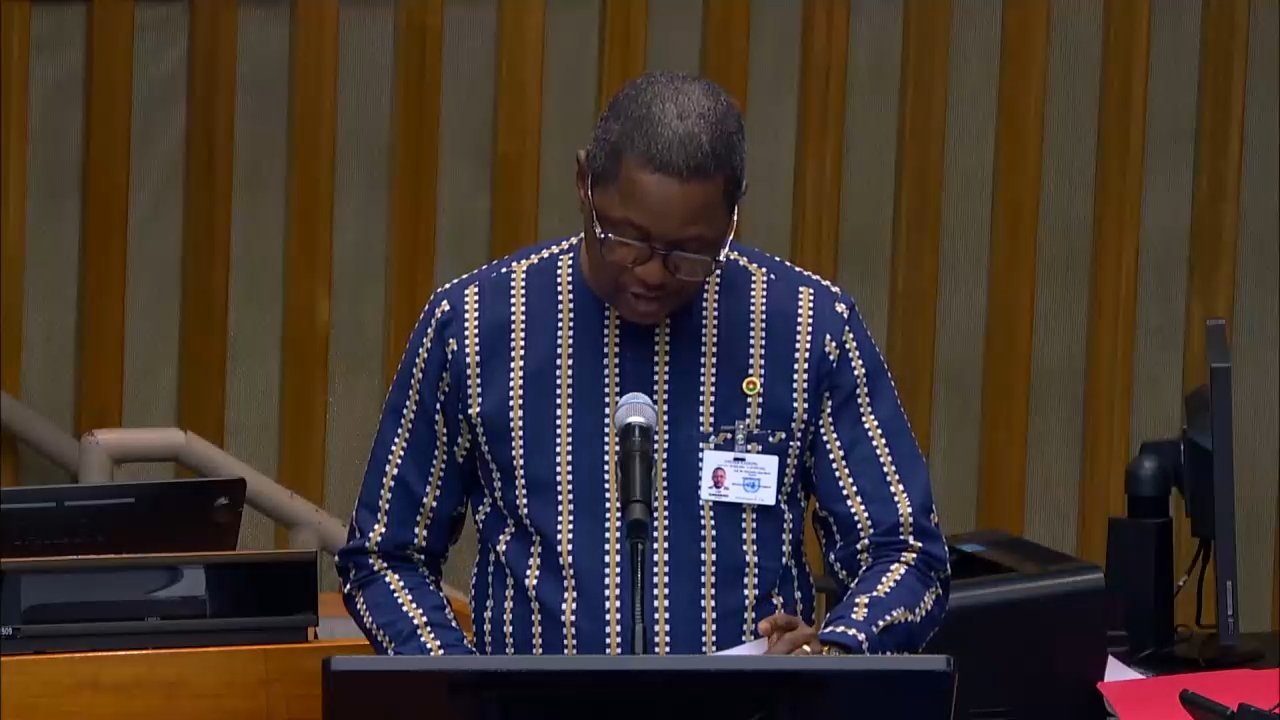
IFMSA, the International Council of Nurses, INCISION, and SANSIEL emphasized that pandemic preparedness is workforce preparedness and that community trust must be built before crises, not during them.
Why it matters: Misinformation and underfunded health workers undermined COVID response; speakers argued trust is a 'preparedness capacity' requiring sustained pre-crisis investment in relationships and health literacy.
Africa and ASEAN push to build regional vaccine production and end import dependency
Multiple delegations and the World Bank called for diversified regional pharmaceutical manufacturing, noting 70% of ASEAN vaccines are imported and Africa has minimal local production capacity.
Why it matters: Concentrated global supply chains during COVID left entire continents at the back of the queue; building regional capacity is framed as both health security and economic sovereignty.
United Nations
One HealthGeneral Assembly25d agoSeptember 25, 2026
WOAH argues veterinary service budgets need 52% increase—less than 0.05% of COVID's economic cost
The WOAH Director-General made the case that pandemic prevention must start at the animal-human-environment interface, with a 52% average increase in veterinary budgets globally.
Why it matters: Most emerging infectious diseases originate in animals; investing in veterinary surveillance before an outbreak costs a fraction of pandemic response but remains chronically underfunded.
Panic-and-neglect funding cycle dominates debate as ODA cuts loom
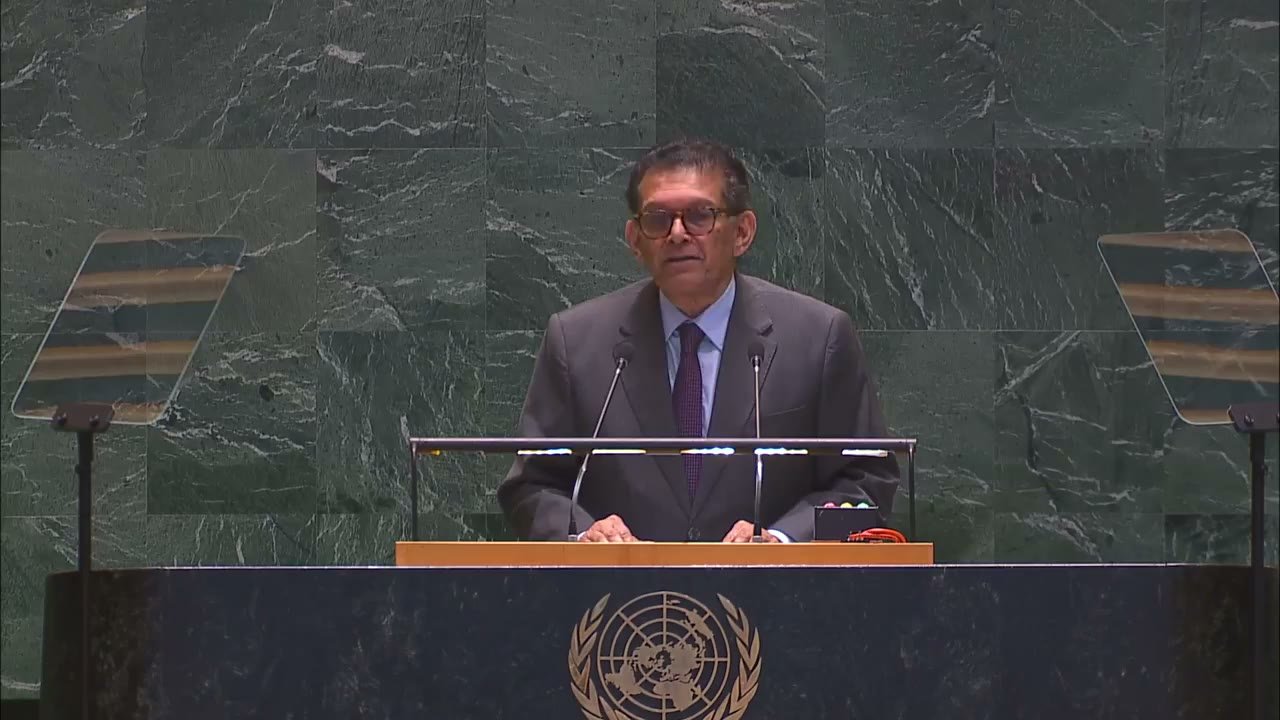
Speakers from the OECD, World Bank, and dozens of delegations called for breaking the panic-and-neglect financing cycle, with the OECD warning ODA for infectious diseases could fall 40% by 2026.
Why it matters: The Pandemic Fund's demand exceeds resources by 6x, and historic ODA cuts have reduced global health funding to early-2000s levels—raising the risk that preparedness collapses before the next outbreak.
Delegations insist equitable access must be designed into preparedness, not improvised during crisis
Member states and civil society argued that equitable access to medical countermeasures must be embedded in preparedness architectures before the next pandemic, not negotiated during one.
Why it matters: COVID-19 showed that countries with limited purchasing power waited months for vaccines; speakers warned the pattern will repeat without structural reforms to IP, procurement, and benefit sharing.
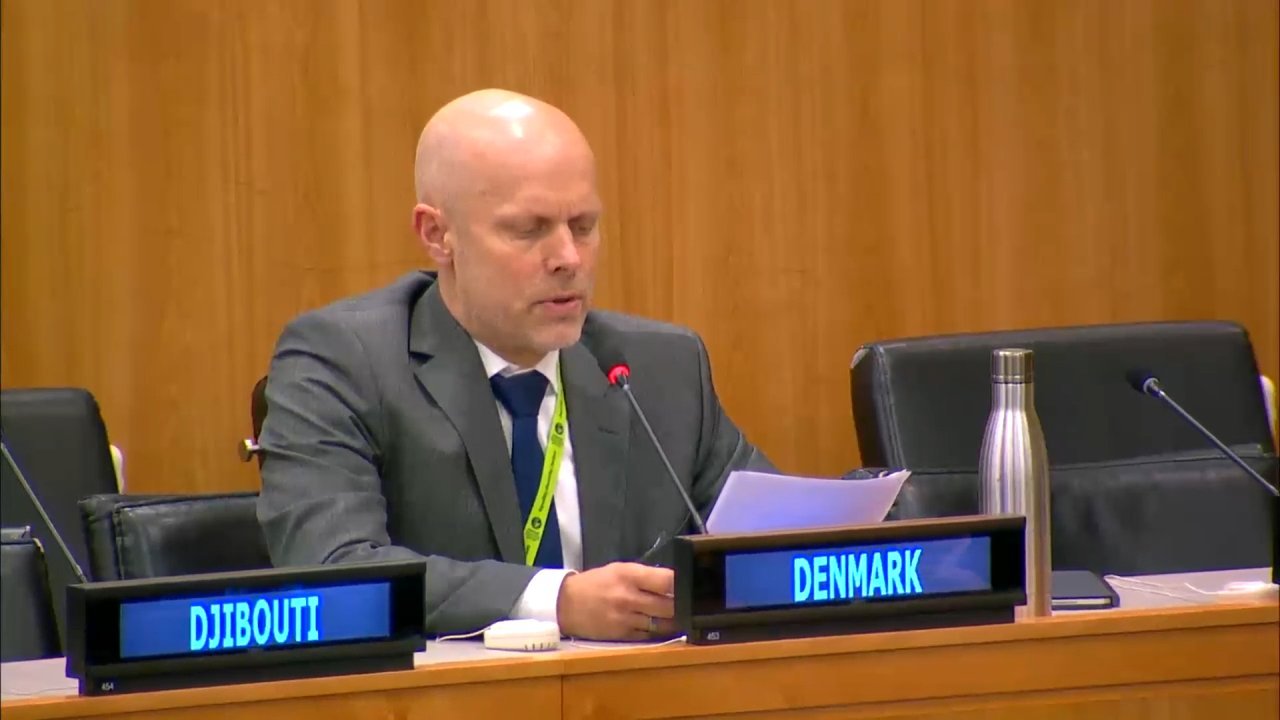
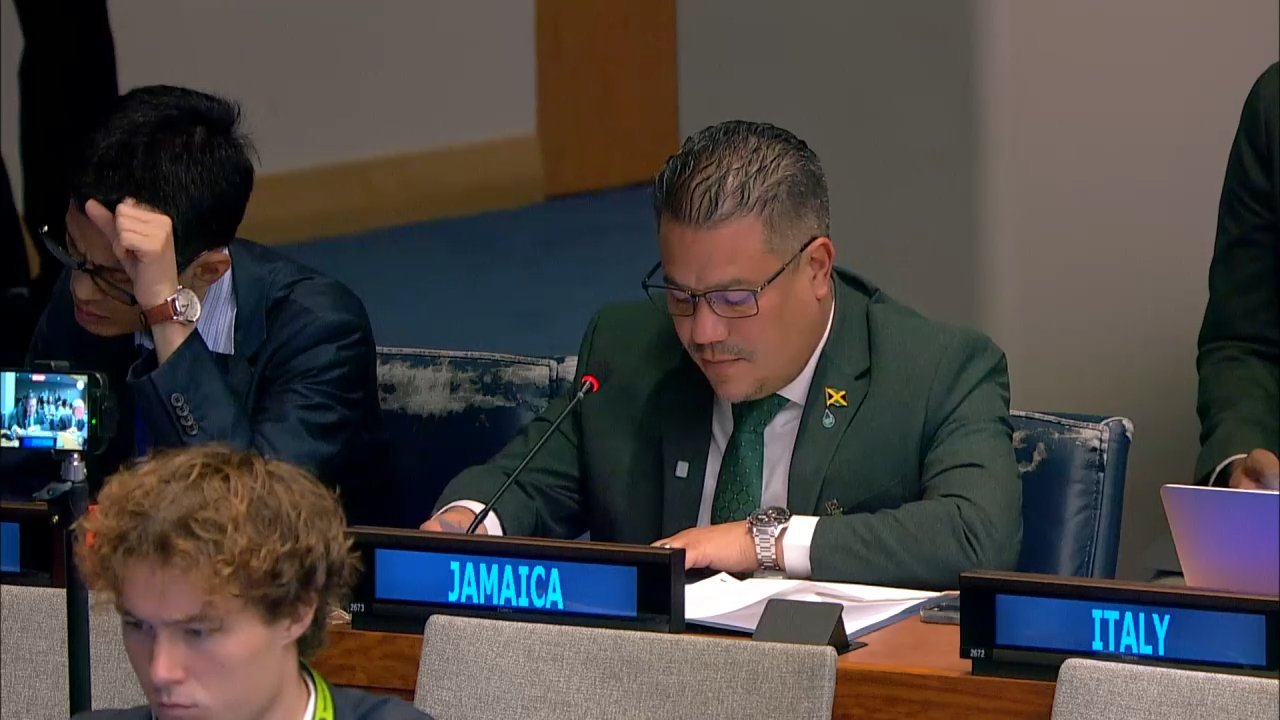
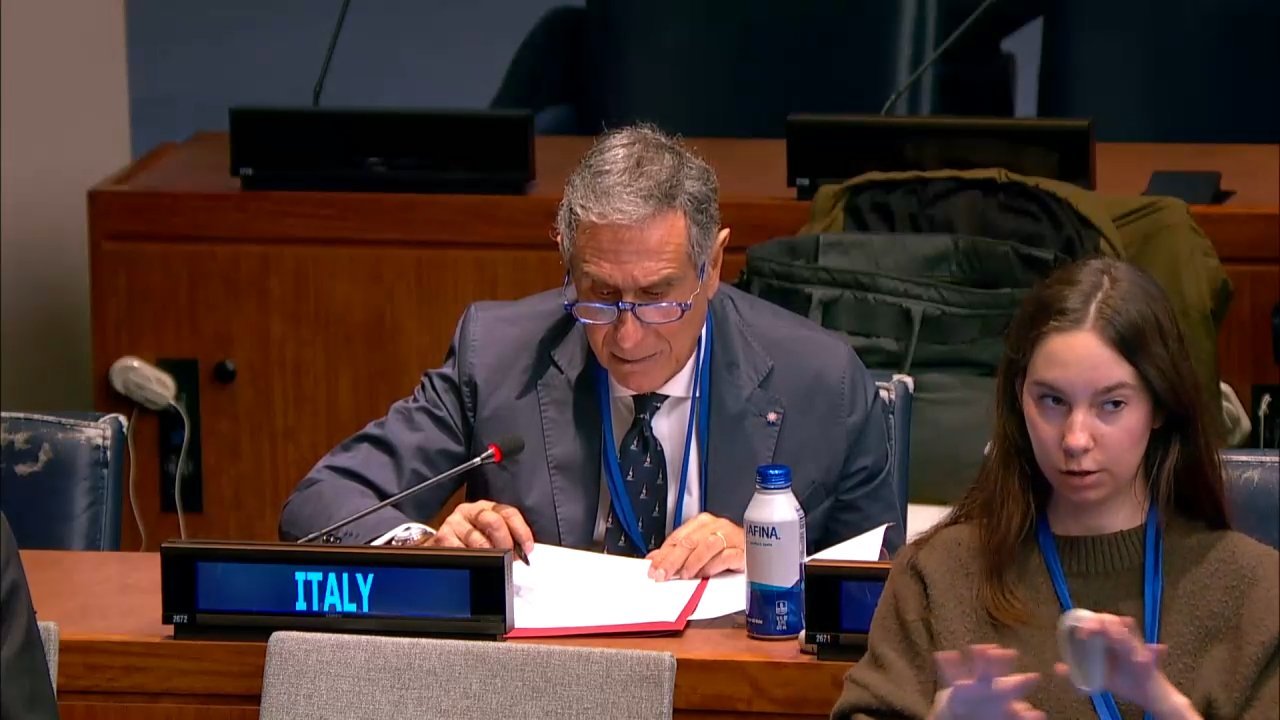
Multiple States Urge Swift Conclusion of PABS Annex to Lock In Equitable Pathogen-Sharing Rules
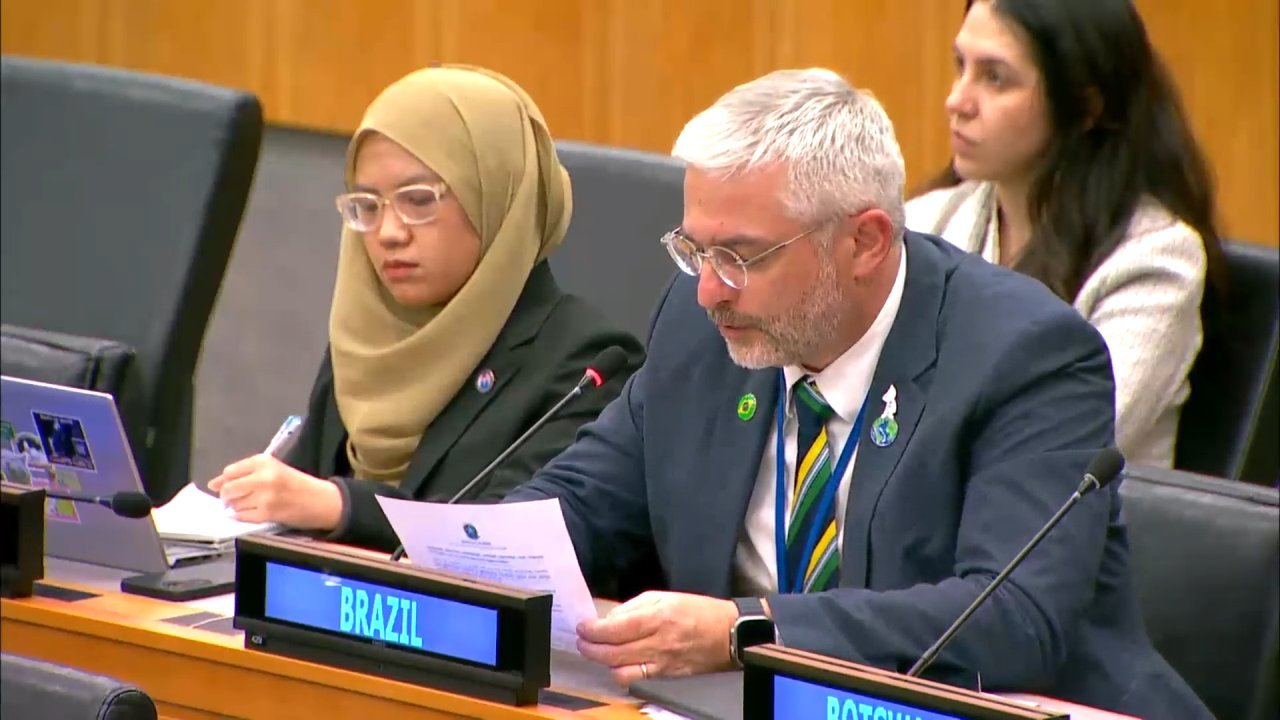
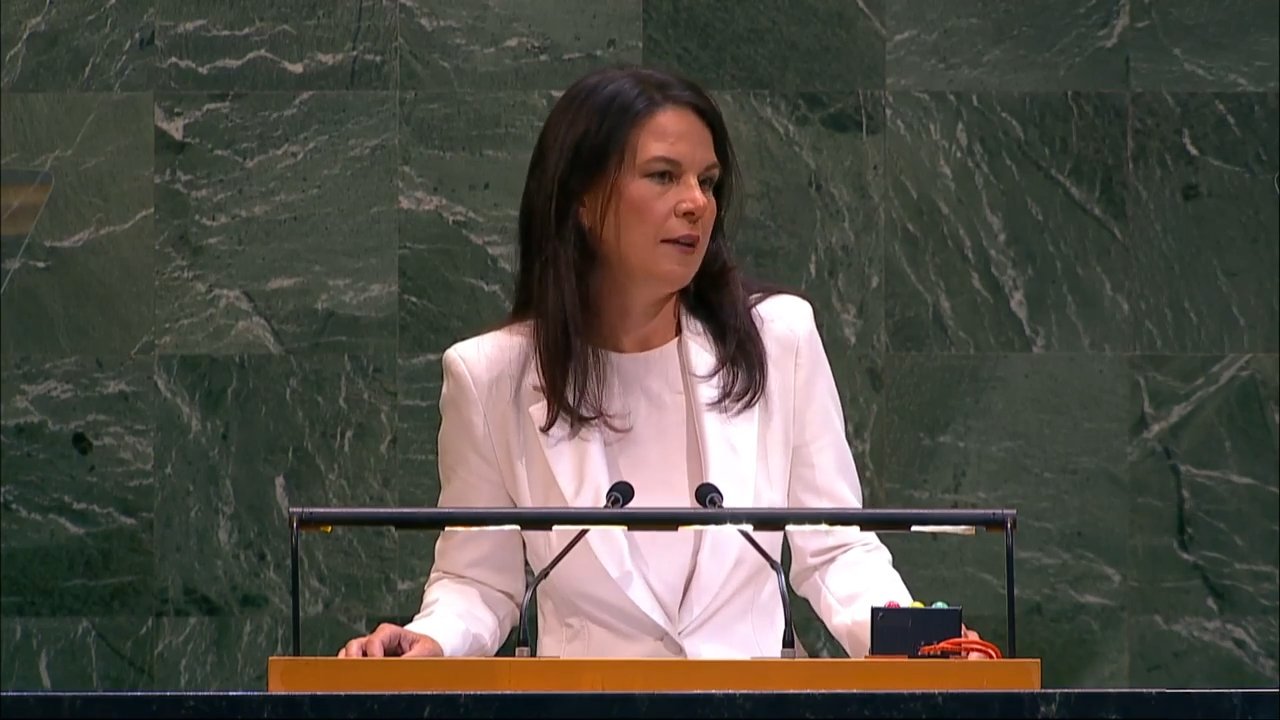
France, Brazil, Kenya, and others press for rapid finalization of the pathogen access and benefit sharing annex to the WHO Pandemic Agreement adopted in May 2025.
Why it matters: Without the PABS Annex, the Pandemic Agreement lacks the mechanism to ensure that countries sharing pathogen data receive equitable access to the resulting vaccines and treatments.
United Nations
GAVIGeneral Assembly25d agoSeptember 25, 2026
GAVI Spotlights $500M First Response Fund and Pushes for Pandemic-Level Surge Financing Tool
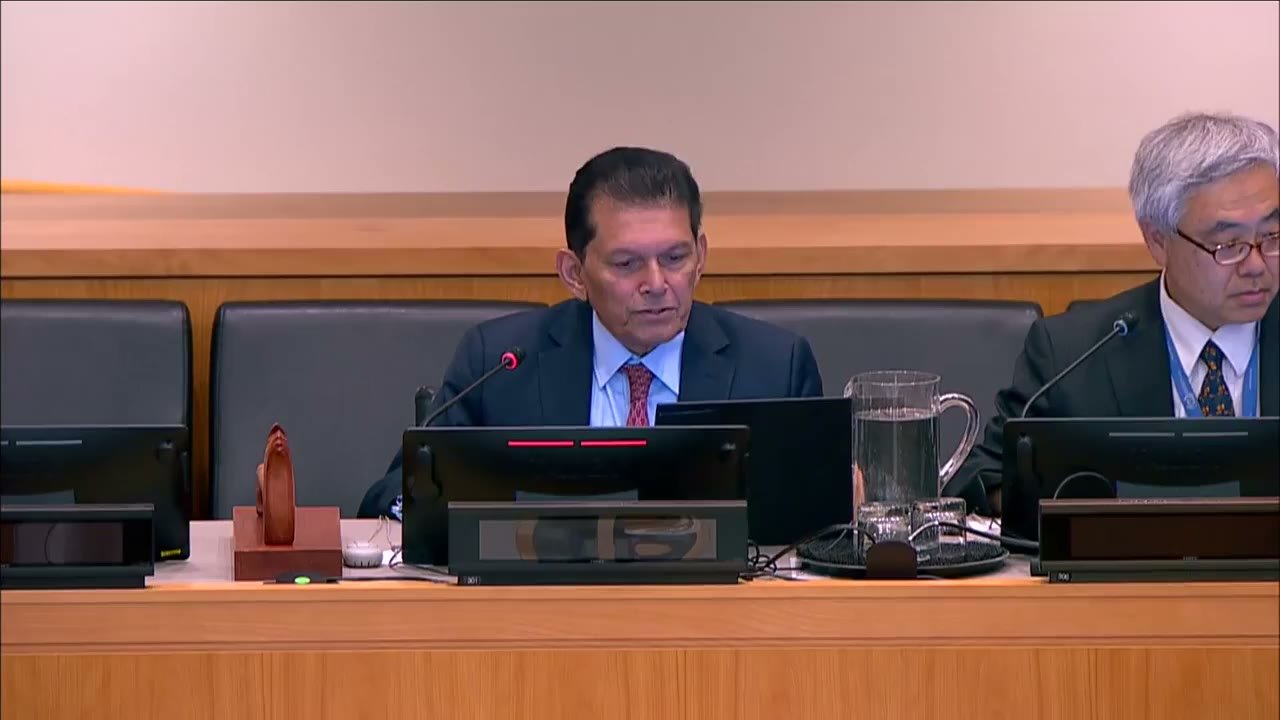
GAVI's CEO details how vaccine stockpiles and surge financing saved lives during mpox and Ebola outbreaks and calls for a World Bank-backed pandemic-scale successor.
Why it matters: GAVI's existing $500 million fund is too small for a full pandemic; a larger mechanism could close the gap between outbreak detection and vaccine deployment worldwide.
United Nations
UNAIDSGeneral Assembly25d agoSeptember 25, 2026
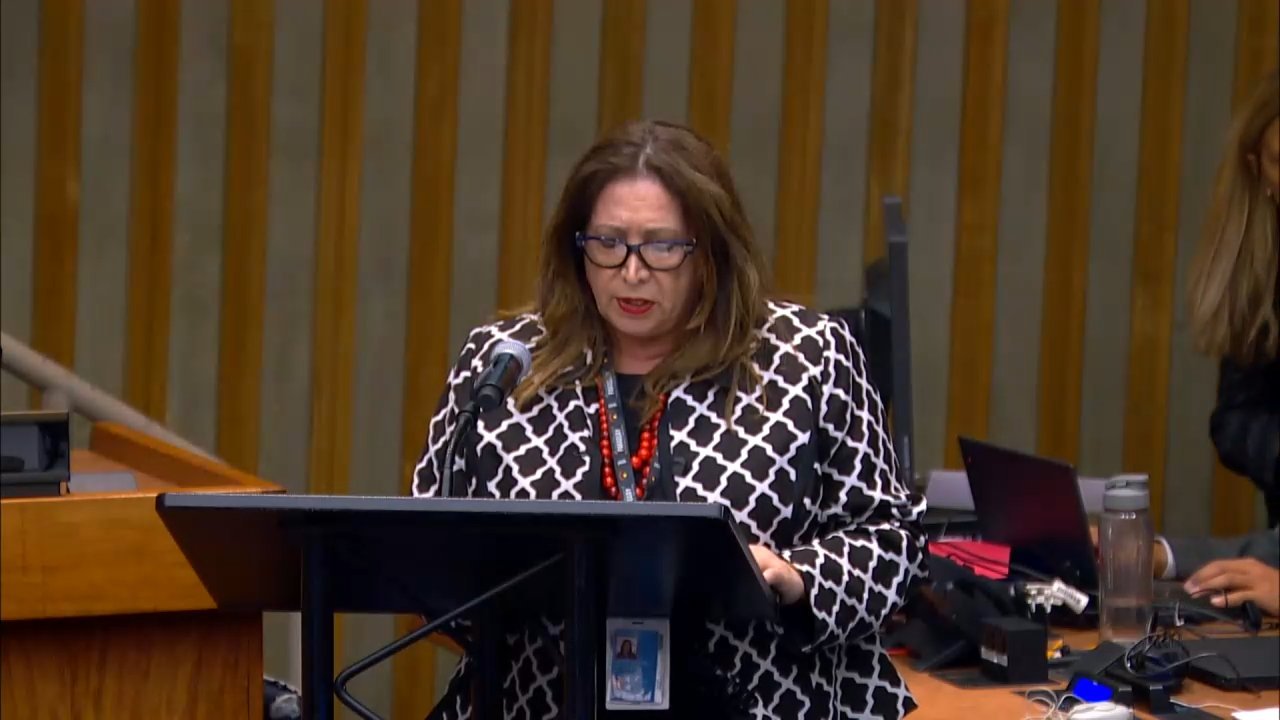
UNAIDS Chief Argues Inequality Fuels Pandemics; Calls to Redefine Preparedness Around Social Protection
Winnie Byanyima and multiple delegations insist that vaccine access, social protection, and automatic patent waivers must anchor any preparedness framework.
Why it matters: During COVID-19, high-income countries spent four times more than low-income ones, and pharmaceutical monopolies determined which nations received vaccines first — prolonging the pandemic.
United Nations
Published Reports
Track this commission to get the latest reports in your inbox