UN Aid Chief Warns Sector Is 'Burning Out' as 100 Million Children Lose Access to School
UNHQ Side Events • United NationsSeptember 24, 2026
Locunity is an independent informational service and is not an official government page for this commission. All information is sourced from public footage and an analysis of official agendas with the aid of responsible, fact-checked AI. to report an error or omission.
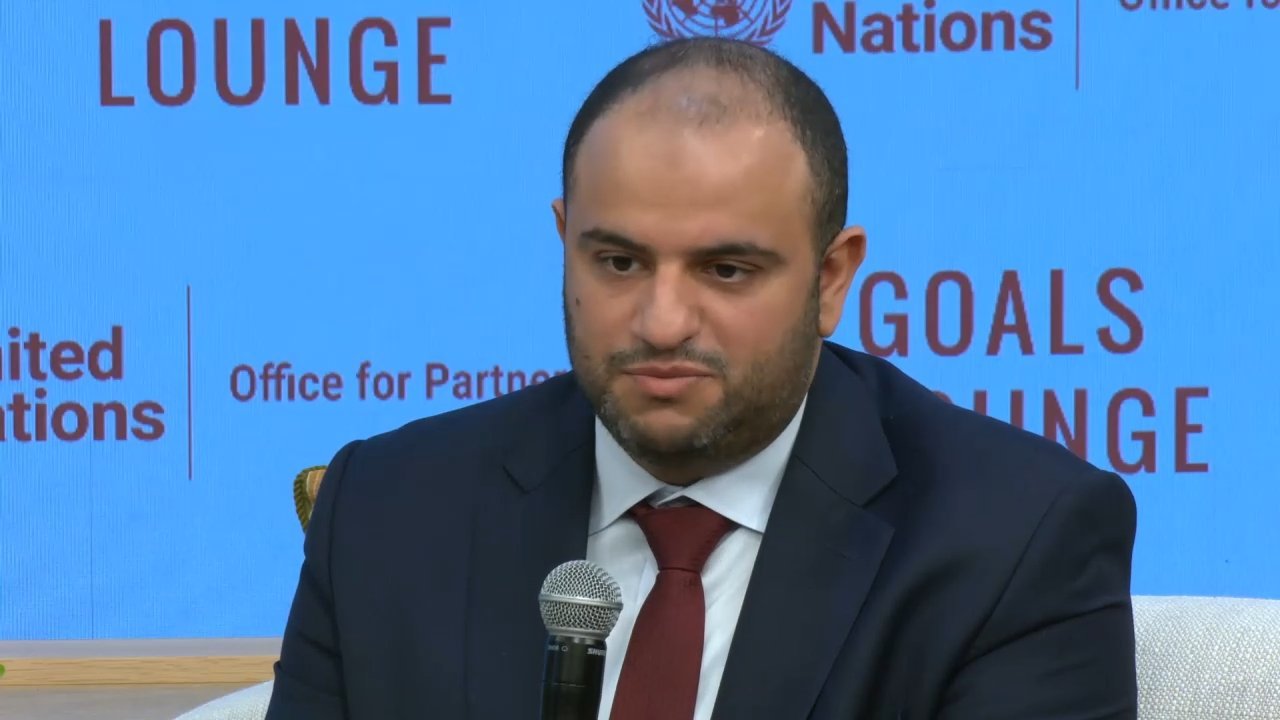
The United Nations' top humanitarian official opened a rare window into the personal toll of global crisis work, disclosing he started therapy since taking his post and urging the sector to confront its own burnout even as it scrambles to reach 100 million children displaced from education by armed conflict. The session at the Goals Lounge during the UN General Assembly brought together aid chiefs, a global musician-advocate, and foundation leaders who argued that mental health — for children and the workers who serve them — must move from the margins to the center of humanitarian response.
- UN humanitarian affairs chief calls the aid sector "burning out" and says a third of OCHA's funding now goes to children
- New Childhood Beyond Conflict fund launches at Clinton Global Initiative to standardize trauma support for children in crisis
- War Child, Lego Foundation and Education Above All leaders detail strategies to reach the 100 million children out of school due to conflict — the highest number since World War II
- Humanity Crew presents data showing sustained psychosocial support doubles frontline aid workers' well-being scores
- Panelists call for collaboration over competition and for local partners — not international headquarters — to lead service delivery
Why it matters: The global humanitarian system was designed to operate at roughly 2.5 times its current resource level. As funding contracts and crises multiply, the people running the response are breaking down alongside the populations they serve — and children are bearing the worst of it.
Get reports in your inbox
Follow this commission for free and get the next report delivered by email. You'll be able to access the full archive, get real-time updates, and track the topics or keywords you care about most.