Renewing Modern Environmental Multilateralism: Adapting to Respond to Today's Challenges and Tomorrow's Opportunities
UNHQ Side Events • United NationsSeptember 22, 2026
Locunity is an independent informational service and is not an official government page for this commission. All information is sourced from public footage and an analysis of official agendas with the aid of responsible, fact-checked AI. to report an error or omission.
Ministers Target Consensus Rules Blocking Global Environmental Action at UNGA81
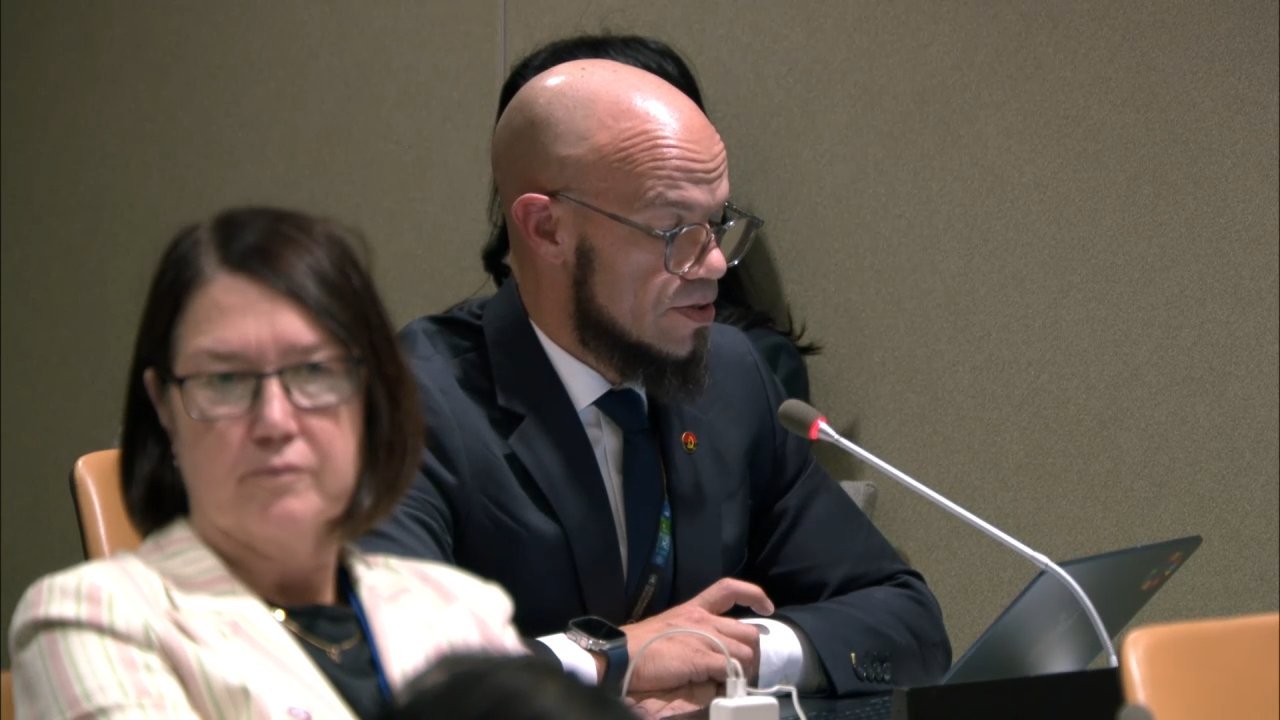
Ministers from more than a dozen countries and civil society leaders gathered at UN Headquarters during UNGA81 to confront what many called the central obstacle to environmental progress: a consensus-based decision-making model that allows a handful of states to block science-backed action on climate, plastics, and biodiversity. The dialogue produced concrete announcements — Panama's forthcoming resolution on the rights of nature, Ireland and Tuvalu's plan to host the second fossil fuel transition conference in 2027, and Vanuatu's push to shape a new UN compliance mechanism following the ICJ's climate advisory opinion.
- Ministers openly name consensus gridlock as the core barrier to environmental action, with Vanuatu singling out Saudi Arabia and "like-minded" blockers
- Panama leads 89-country coalition calling for global caps on primary plastic polymer production at plastics treaty talks
- Ireland and Tuvalu to co-host second international conference on transitioning away from fossil fuels in 2027
- Vanuatu pushes countries to shape the Secretary-General's forthcoming report on climate compliance after landmark ICJ opinion
- Indigenous leaders demand rights-holder status and denounce systematic exclusion from plastics treaty negotiations
- Norway warns that the cost of blocking consensus has never been lower, but cautions against fragmenting the plastics response
The most striking thread running through this high-level dialogue was the willingness of ministers — not just advocates — to publicly challenge the consensus model that governs most multilateral environmental negotiations.
Get reports in your inbox
Follow this commission for free and get the next report delivered by email. You'll be able to access the full archive, get real-time updates, and track the topics or keywords you care about most.