
Lone Speaker Challenges Ferry Terminal Costs at Brief Special Meeting
City Council • Redwood CityOctober 15, 2026
Locunity is an independent informational service and is not an official government page for this commission. All information is sourced from public footage and an analysis of official agendas with the aid of responsible, fact-checked AI. to report an error or omission.
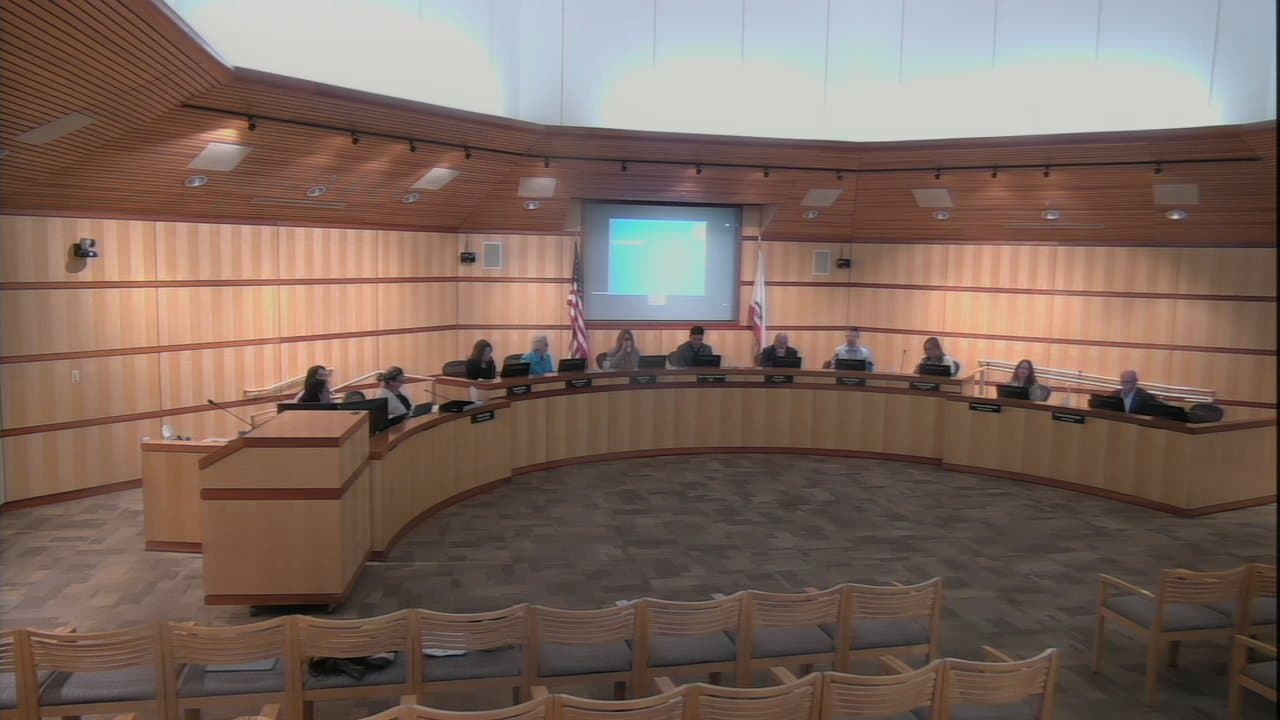
A single public commenter used Redwood City's Oct. 14, 2026, special council meeting to challenge the financial case for the Redwood City Ferry Terminal, citing the project's own environmental review. The council took no votes and did not respond before adjourning to closed session on employee performance evaluations.
- Ferry terminal's $7M revenue vs. $13M operating cost questioned during public comment
- About $31 taxpayer subsidy per trip claimed by the only public speaker
- No public votes taken; council moved to closed session with no reportable action expected
A Ferry Critique Goes Unanswered
The basics: The Redwood City Ferry Terminal is a proposed ferry project now under environmental review. That review is the formal study of a project's impacts, including its projected ridership, costs and emissions.
Why it matters: The commenter argued the project would run a yearly shortfall of roughly $6 million on top of about $80 million for ferries. That frames the terminal as a long-term transit subsidy question, not only a one-time capital decision.
Where things stand: The commenter opened with the review's top-line numbers.
"The environmental review for the Redwood City Ferry Terminal projects seven million dollars in revenue against thirteen million dollars in annual operating expenses," said a public commenter.
He then walked through a list of objections, attributing his figures to the environmental review:
- Fares: an $18.75 ticket against a full-cost fare of roughly $50
- Subsidy: about $31 in taxpayer money per trip
- Travel time: a ferry trip twice as long as the same trip on Caltrain
- Competition: possible revenue losses for Caltrain
- Congestion: minimal traffic relief on Highway 101
- Access: riders traveling an average of 4.5 miles to reach the terminal
- Emissions: concerns about ferry fuel efficiency and Tier 4 diesel engines
Tier 4 is the federal emissions standard for diesel engines. His point was that the ferry's environmental benefits may be smaller than promised.
He closed with a direct challenge: "So why is this project a priority?"
The other side: No councilmember or staff member answered during the meeting. That is typical for public comment, when officials generally listen without replying. As a result, the record from this session holds only the critic's case, and none of the project's supporters spoke.
Decisions and stakeholder impacts: No action was taken. The figures he raised touch several groups. Taxpayers would fund any operating gap. Caltrain could lose fare revenue to a competing service. Highway 101 commuters were told to expect little congestion relief. Residents near the waterfront and air-quality advocates have a stake in the diesel emissions question.
What's next: The comment is now part of the public record on the project. Residents who want to test or rebut these figures can review the ferry terminal's environmental review and comment at future council meetings.
Minor Items
- Full attendance: All seven councilmembers were present for the special meeting.
- Closed session: The council adjourned to closed session on public employee performance evaluations. Mayor Elmer Martínez Saballos said no reportable action was expected, and the meeting adjourned afterward without returning to open session.
- Agenda housekeeping: Item 4 was skipped. Public comment was the only substantive open-session item.
Looking Ahead
The council's next regular meeting is scheduled for Oct. 26.