
Bay Area Has Built Just 13% of Housing Goal, Advisers Hear
MTC ABAG Community Advisory Council • Association of Bay Area GovernmentsNovember 6, 2026
Locunity is an independent informational service and is not an official government page for this commission. All information is sourced from public footage and an analysis of official agendas with the aid of responsible, fact-checked AI. to report an error or omission.
Three years into the current eight-year housing cycle, the Bay Area has built just 13% of the homes it is supposed to, regional staff told the MTC ABAG Community Advisory Council on Nov. 6, 2026. The hourlong housing briefing included no votes, but members used it to press the region's housing finance agency on density bonus waivers, accessibility, tenant protections and construction fees.
- Only 13% of the region's housing allocation built, staff said, as BAFA weighs its future
- No decision yet on a 2028 regional housing measure; statute locks in 52/15/5 spending minimums
- Members push to cap density bonus waivers, warning oversized projects could fuel backlash
- 2027 advocacy draft centers on funding, including transit, a gas tax replacement and housing
- MTC takes over wheelchair-accessible rideshare funds for five counties ahead of a July 1, 2027 deadline
Housing Briefing Exposes Gap Between Zoning and Building
The basics: RHNA, the Regional Housing Needs Allocation, sets state-required housing targets for each jurisdiction. The Bay Area Housing Finance Authority (BAFA) is the regional housing finance agency. It withdrew its 2024 bond measure, Regional Measure 4, and aims to be self-sufficient by 2030.
Why it matters: Zoning is largely in place, but homes aren't getting built. "We've only built 13% of the housing units that are part of that total 8-year period," said Darin Ranelletti, Assistant Director for Housing and Local Planning, MTC and ABAG.
Where things stand: Sara Amaral, BAFA staff, said the Doorway housing portal "has served 850,000 users and resulted in over 5,200 placements regionally." She also outlined a welfare tax exemption, technical assistance and a mixed finance program rolling out in 2027 with a roughly $60M initial contribution, subject to a board recommendation.
On the next ballot measure, Daniel Saver, Deputy Executive Director for Housing and Energy, said, "No decision has been made to run a measure specifically in 2028." By statute, "at least 52% of the funding from a regional measure would go to new production, at least 15% go to preservation and at least 5% would go to protections," Saver said. He added that a stakeholder process will likely recommend raising the protections share.
The other side: Members questioned whether current rules deliver the right housing. "However, the 1979 state density bonus law, which allows increased density in exchange for a proportion of affordable housing, also allows developers unlimited waivers for any zoning regulation that they wish," said Councilmember Wendi Kallins. She proposed capping waivers in proportion to the bonus, such as 30%. Ranelletti said staff would review the issue for consistency with Plan Bay Area goals: "I appreciate the information and the concern that was raised, and that's something that we'll look at."
"I'm paying $58,000 in fees before I've even broken ground," said Councilmember Baldini, describing the cost of building a new home in Napa County. Ranelletti agreed that costs, insurance, labor and materials are barriers. He pointed to a recent state package on modular and innovative construction and said the next legislative cycle is expected to focus on development costs and fees.
"So we're building more of what we don't need, and we're not building enough of what we do need," said Councilmember Nemcik, who argued that permitting is skewed toward above-market-rate housing.
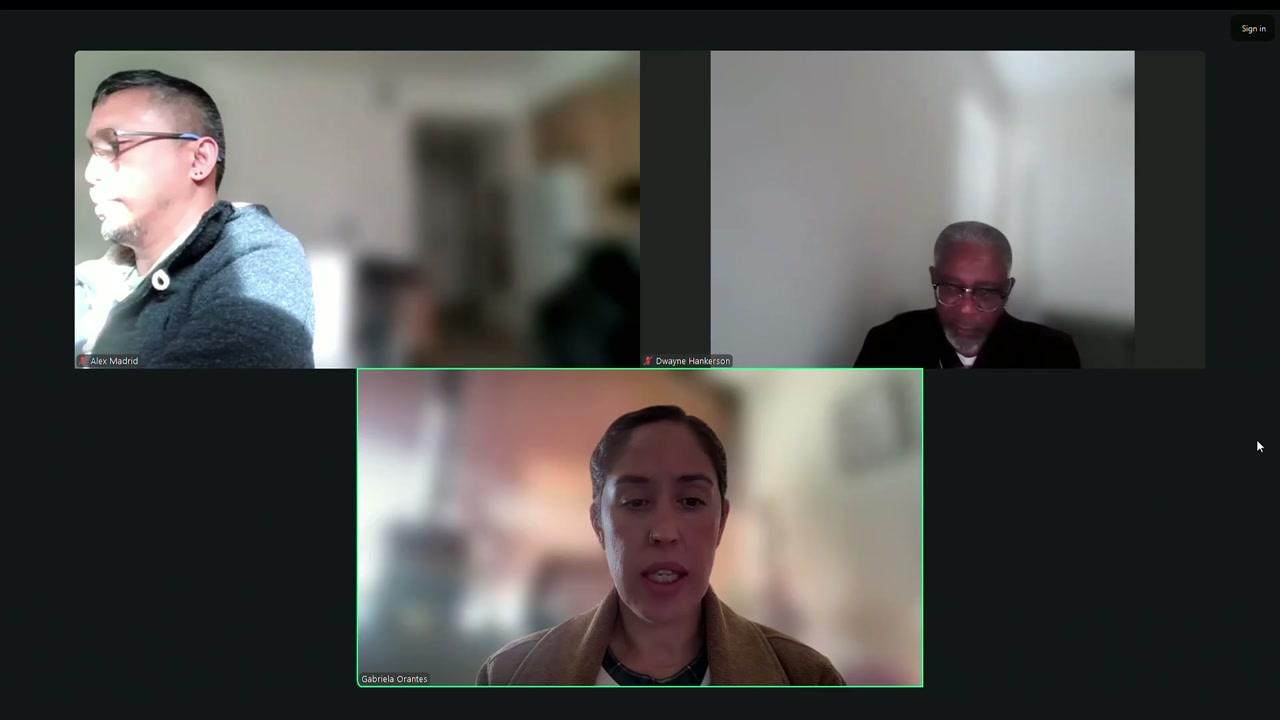
Decisions and stakeholder impacts: No action was taken. Councilmember Gabriela Orantes called the rise in rent burden, especially for Black and Latino households, infuriating and pressed for tenant protections and mobile home preservation. Councilmember Dwayne Hankerson asked, "Can we make it part of the policy that the tenants are educated, the homeowners are educated." BAFA said it has no such provisions now but can consider them. On accessibility, staff said tax credit-funded projects require 25% accessible units, MTC/ABAG is drafting guidelines that go beyond state law, and Doorway will flag accessible units.
What's next: Members will be surveyed about joining advisory bodies, including the RHNA methodology committee. A council liaison to the BAFA advisory committee would not be a formal member.
Advocacy Draft Puts Funding Front and Center
Why it matters: The 2027 program sets what MTC and ABAG lobby for in Sacramento and Washington. Funding is the main obstacle to carrying out Plan Bay Area 2050+.
Where things stand: Georgia Gann Dohrmann, MTC and ABAG staff, framed the program around "securing additional funding for transportation, affordable housing, climate resilience, and some other priorities." Her list included SB 1087, the passage of the regional transit measure, and SB 125 commitments for BART's Transbay Core Capacity and BART to Silicon Valley projects. It also covered BAFA statute updates informed by the regional stakeholder process. She called RHNA Cycle 7 work "an unfunded state mandate right now" and said "the most likely gas tax replacement is going to be a road usage charge, a statewide road usage charge."
In Washington, the focus is the next surface transportation reauthorization, including the Adapt Assets Act. Rebecca Long, Director of Legislation and Public Affairs, set modest expectations: "Just maintaining the level of funding that we had from the last surface transportation bill would be a huge win."
The other side: Members raised CEQA, density bonus law, project-based vouchers, data centers, road charges, rail electrification and long-term transit funding. Kallins cited the Victory Village project in Fairfax and raised CEQA abuse after Proposition 45 failed. Councilmember Trachtenberg pushed for federal operating support for extremely low-income housing: "And yet that type of housing is not financially viable without some kind of operating subsidy."
Public commenter Alita Dupree urged staff to play defense as well as offense, welcomed the transit measure's passage and asked how advocacy can show that transit benefits people who don't ride it.
Decisions and stakeholder impacts: No vote was taken. Staff said the program stays at the goals-and-objectives level and does not take positions on specific bills.
What's next: Individual bills will return to the legislation committee. Council feedback can be folded into the final 2027 program.
Five Counties' Accessible Rideshare Moves to MTC
The basics: Under SB 1376, a state program funds on-demand, wheelchair-accessible rides through rideshare companies, known as transportation network companies (TNCs). "The funding for this program is a 10-cent surcharge on transportation network company trips," said Fabian Gallardo, Principal Planner, MTC.
Where things stand: MTC now administers the funds for Marin, Napa, San Mateo, Santa Clara and Sonoma counties. Contra Costa runs its own administrator. Up to 15% of funds can go to administration. Transit agencies and contractors are eligible, same-day response is a priority, and fixed-route service is not an allowed use. Gallardo said the tradeoff between extending service to more areas and keeping cost per trip down remains open.
The other side: Councilmember Sathoff-Harshfield asked about drivers: "Do they have training on securement, on disability etiquette?" Gallardo said the CPUC requires insurance and that MTC could ask applicants for training documentation. Kallins said "our rural areas are really underserved in this area" and urged outreach to West Marin Community Services. Dupree called the funding a drop in the bucket and asked, "But how do we make sure that no one is left behind?" She supported autonomous vehicles that become wheelchair accessible.
Decisions and stakeholder impacts: This was an information item. The choices made now will determine which riders with disabilities get service in the first year.
What's next: Staff will compile stakeholder suggestions and continue engagement through December, ahead of a January solicitation. Provider contracts must be in place by July 1, 2027.
Minor Items
- Minutes approved: Moved by Baldini and seconded by Young; passed by roll call with six abstentions declared. Other tallies were not reported.
- Leadership: Vice Chair Benitez presided in Chair Liu's absence.
- Compensation: Members are "entitled to receive $100 per meeting attended, up to a maximum of $500 per month per agency," the Clerk announced.
- Staff liaison: A survey for advisory body volunteers is coming, and a CBO collaborative is launching for Plan Bay Area 2060 engagement.
- Public comment: Jane Kramer proposed a volunteer-run, donated wheelchair supply for homebound residents at no cost to the agency.
Looking Ahead
The council next meets Dec. 4, 2026.