
State's Final $3M Clears Path for Survivor Housing at 101 Gough
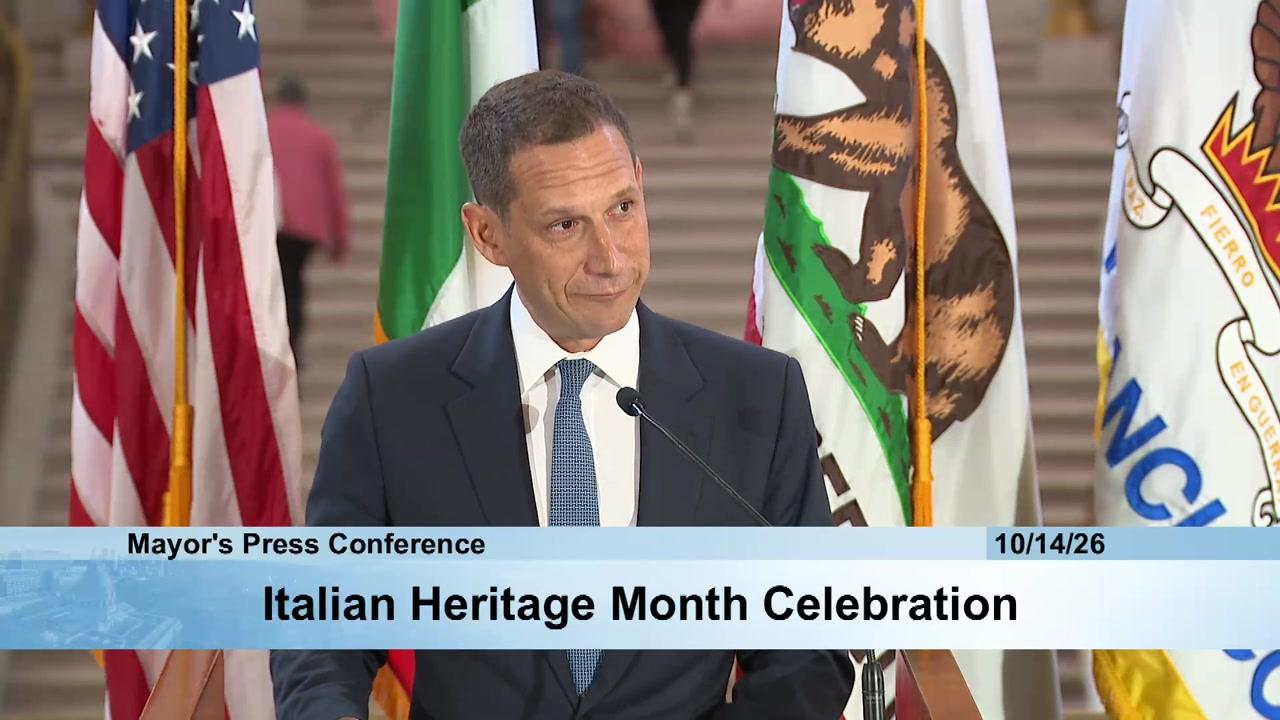
Mayor's Press Conference • San FranciscoOctober 14, 2026
Locunity is an independent informational service and is not an official government page for this commission. All information is sourced from public footage and an analysis of official agendas with the aid of responsible, fact-checked AI. to report an error or omission.
Unhoused women who have survived trafficking and sexual exploitation, and their children, are one step closer to dedicated housing in San Francisco. At an Oct. 14, 2026, press conference, Assemblymember Catherine Stefani and Mayor Daniel Lurie announced $3M in state funding that officials described as the final capital piece for San Francisco Safe House's 23-unit project at 101 Gough Street. The event also showed Lurie placing the project within a broader public safety agenda on domestic violence and homelessness.
- $3M state allocation closes the capital gap for Safe House's 101 Gough Street project
- 23 units, 53 beds of bridge housing for survivors and their children
- City, state and federal dollars combined, including $15M from San Francisco
- First residents targeted by March 2028, though construction timing remains unclear
- Lurie lists survivor investments: $14.5M for Friendship House, 400 rapid rehousing slots, 245 hotel vouchers
The Last Check: State Money Completes Safe House Financing
The basics: Bridge housing is temporary housing meant to stabilize people while they move toward permanent homes. Safe House's project at 101 Gough Street will serve unhoused women who survived trafficking and sexual exploitation, along with their children.
Why it matters: The $3M closes the capital funding gap, according to officials, so the project now has its full construction budget. The building adds housing aimed specifically at survivors, a group that advocates say often falls through general shelter systems.
Where things stand: Stefani made the announcement and presented a ceremonial check. "So now I'd like to present this check for three million dollars to Safe House to close the funding gap," said Stefani.
The building will offer private bathrooms and cooking amenities in each unit. Residents will also get counseling, trauma recovery and case management, plus links to health care, legal services and employment.
The capital stack combines three levels of government:
- City: "This past year, the city awarded $15 million for this project," said Mayor Daniel Lurie.
- Federal: Lurie credited Speaker Emerita Nancy Pelosi with securing federal funds. The amount was not stated.
- State: Lurie thanked Gov. Gavin Newsom for including the $3M in his budget.
Timeline questions: Stefani laid out an aggressive schedule. "So construction is expected to begin this December with completion and the first residents moving in by March of 2028," she said. However, Toni Eby, executive director, San Francisco Safe House, referred in her remarks to starting construction in 2028. Speakers did not resolve the difference, so the actual groundbreaking date remains unclear.
The partners: Eby thanked the state, the city, donors, Safe House's board and the Women's Housing Coalition. "Folks, this is what happens when the community and the government work together to support and protect our most vulnerable community members," said Eby.
Decisions and stakeholder impacts: No vote was taken. The event was a funding announcement, not a legislative action.
- Who gains: Survivors and their children get a dedicated, service-rich option with private units, which matters most for families.
- Safe House: The nonprofit can move from fundraising to delivery.
- Officials: Elected leaders at three levels can claim a shared win.
The project's success will now depend on how quickly it moves through construction and on long-term operating support, which was not detailed.
What's next: Watch for a confirmed construction start date. First move-ins are targeted for March 2028.
Lurie Frames Survivor Housing as Public Safety
Why it matters: Lurie treated domestic violence as part of public safety, a framing that can steer future budget priorities. "My number one priority is public safety," said Lurie. He said that priority includes safety at home.
Where things stand: Lurie cited several city investments for survivors:
- $14.5M for Friendship House
- 400 additional rapid rehousing slots, which provide time-limited rent help to move people quickly into housing
- 245 emergency hotel vouchers
- Work with SFPD on investigations
- Legislation to strengthen consequences for violating protective orders. No bill number was confirmed.
"Over the past year, we've invested in 400 additional rapid rehousing slots, and 245 emergency hotel vouchers to help survivors facing homelessness find a safe place to stay," said Lurie.
Eby tied the issue directly to housing policy. She called gender-based violence a public health and human rights issue. "Human trafficking and domestic violence are one of the leading causes of homelessness for women," said Eby.
Decisions and stakeholder impacts: These were recaps of existing commitments, not new actions.
- Survivors: They benefit from a layered system, from emergency hotel stays to rapid rehousing to bridge units like 101 Gough.
- Advocates: They gain a mayor who publicly links domestic violence, homelessness and policing.
- Questions to ask: How the 400 slots and 245 vouchers are allocated, and how long survivors can hold them.
What's next: Track the protective-order legislation as it moves forward, and watch how Friendship House funding is put to use.
Looking Ahead
Safe House's 101 Gough Street project now has full capital funding on paper. The open questions are when crews break ground and whether the March 2028 move-in target holds.