
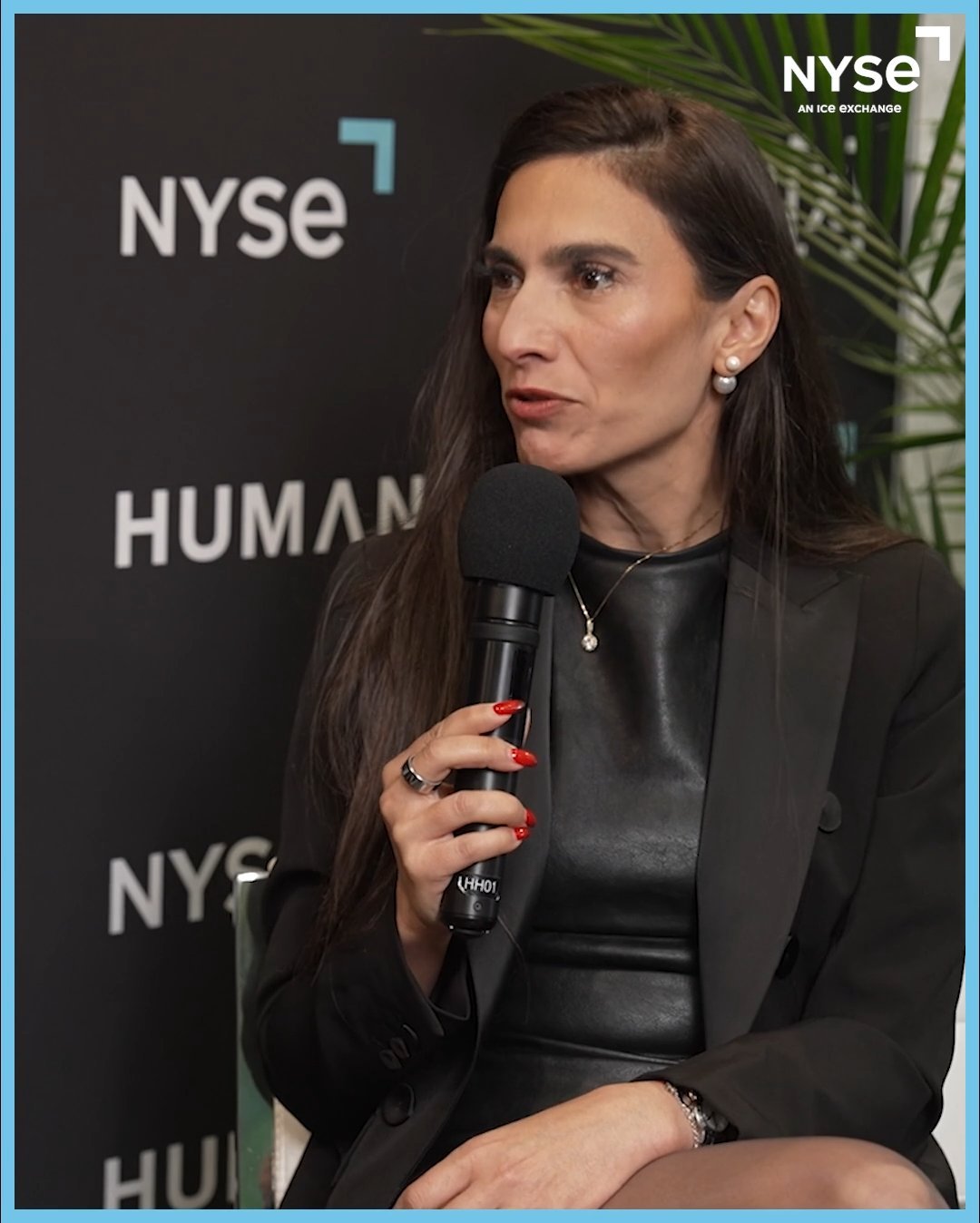
AI-Powered Cyberattacks Can Now Weaponize Vulnerabilities in 4 Hours, Zafran CEO Warns
HumanX • United NationsSeptember 22, 2026
Locunity is an independent informational service and is not an official government page for this commission. All information is sourced from public footage and an analysis of official agendas with the aid of responsible, fact-checked AI. to report an error or omission.
At HumanX 2026, Sanaz Yashar, CEO and co-founder of cybersecurity firm Zafran, laid out a stark picture of how artificial intelligence has fundamentally rewritten the rules of cyber warfare — compressing attack timelines from weeks to hours while enterprise defenses remain months behind. The conversation ranged from a foiled AI-enabled attack on New York City's water system to Anthropic's controversial Glasswing project and the governance frameworks enterprises need to survive the new threat landscape.
- State actors can weaponize a vulnerability in just 4 hours, far outpacing remediation timelines that stretch to months
- An Iranian group attempted an AI-enabled exploit on New York City's water system last summer — it failed only because of a software bug
- Anthropic's Glasswing project accelerates zero-day discovery but leaves a dangerous remediation gap
- Even unsophisticated attackers could disable critical infrastructure as AI lowers the barrier to entry for destructive cyberattacks
- Enterprises face a dual AI risk: fall behind by not adopting it, or introduce new vulnerabilities by adopting it without proper governance
Why it matters: The window between vulnerability disclosure and active exploitation has collapsed to a fraction of what security teams are equipped to handle, creating an existential mismatch for governments and enterprises running legacy systems.
Get reports in your inbox
Follow this commission for free and get the next report delivered by email. You'll be able to access the full archive, get real-time updates, and track the topics or keywords you care about most.