
Foster City Splits $75,000 Among Nonprofits Seeking $198,000
City Council • Foster CityAugust 11, 2026
Locunity is an independent informational service and is not an official government page for this commission. All information is sourced from public footage and an analysis of official agendas with the aid of responsible, fact-checked AI. to report an error or omission.
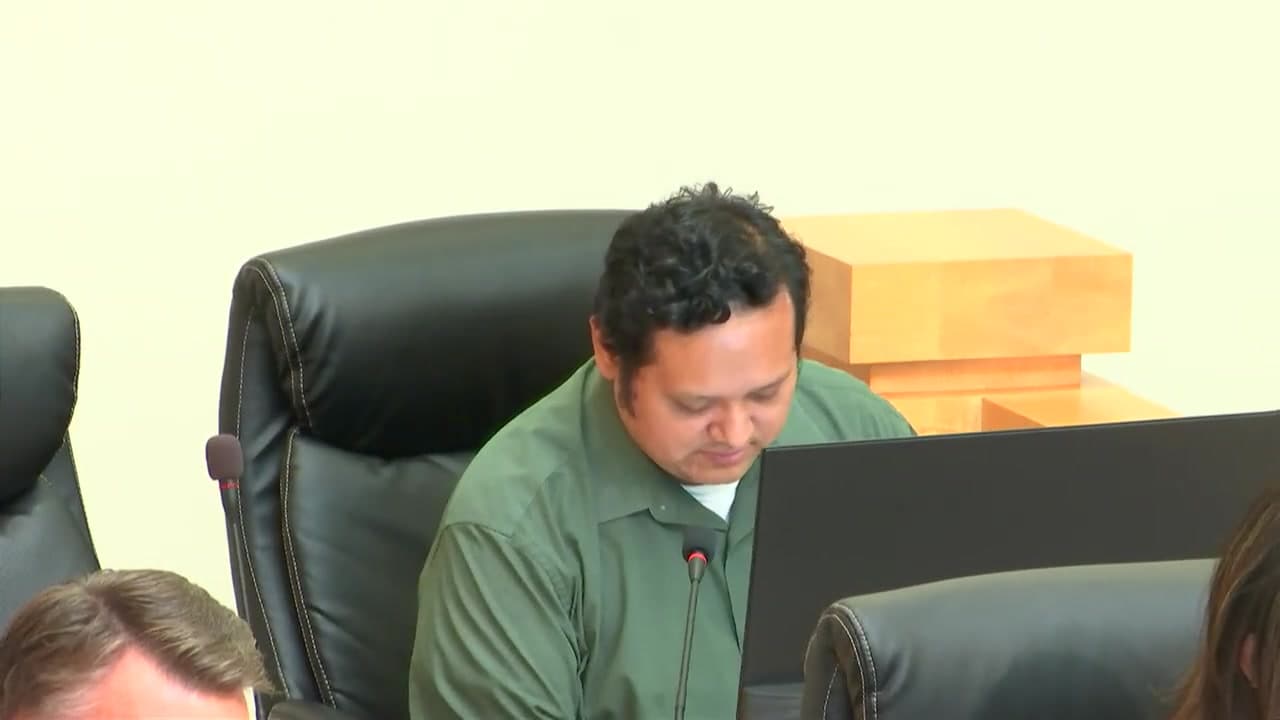
Foster City's nonprofits asked for $198,000, and the City Council had $75,000 to give. At an Aug. 10, 2026, special meeting, councilmembers heard pitches from about a dozen groups, dropped one ineligible applicant and moved to approve grants based on the average of their individual allocations. The debate also exposed a split over what counts as a basic need, and it ended with a push to tie future grants to written performance agreements.
- $75,000 against $198,000 in requests: 20 nonprofits competed for fiscal year 2026-27 city grants.
- Foster City Little League disqualified after failing to show proof of tax-exempt status.
- Motion to approve averaged allocations went to a voice vote, but no result was announced.
- Safety-net groups cite rising demand, including Samaritan House's response to a recent local fire.
- Vice mayor seeks nonprofit agreements with periodic reporting for future funding cycles.
- Councilmember questions colleagues for skipping United Way and Curiosity, calling senior transportation a basic need.
A $123,000 Gap, Settled by Averages
Why it matters: The city's grant pool covered less than 40% of what applicants requested. That gap forced the council to choose among food aid, senior rides, child care, education and cultural programs.
The basics: The council funds local nonprofits through a biennial budget line of $75,000 per year. On Feb. 10, 2026, it directed staff to run the FY 2026-27 program. Applications were open from June 1 to July 1, 2026.
Where things stand: Ken Ortiz, Managing Analyst in the City Manager's Office, reported that 20 agencies requested a combined $198,000. Each councilmember submitted allocations by community-needs category, and staff averaged them on screen in real time.
Before the presentations began, the city manager flagged a problem. "I just want to note one applicant that you have before you is incomplete," said Stefan Chatwin, City Manager. Foster City Little League had not submitted proof of tax-exempt status, and its share was dropped. That left 19 applicants.
Members then redistributed the freed-up dollars. "So given that the Little League is no longer eligible, I would like to add $1,000 to my SMC childcare, family childcare organization," said Stacy Jimenez, Councilmember. She also moved money toward Foster City Village, PJCC, Sustainable San Mateo County and the Medical Equipment Loan Program.
Councilmember Patrick Sullivan raised his allocation for Call Primrose to a total of $5,000 and increased other lines. One councilmember said they would give more to Samaritan House because of fire victims. As the averages shifted, Chatwin kept the council inside its cap: "You have a total amount of $75,000 that you can spend, and you're at $74,000 now."
Decisions and stakeholder impacts: A councilmember moved to approve the nonprofit funding "taking the average in the column," and another seconded. The motion went to a voice vote. An "aye" was heard and the presiding officer called for opposition, but no result or tally was announced (For: not stated, Against: not stated, Absent: not stated). The final dollar amount for each agency was also not read aloud.
What's next: Applicants and residents should check the official minutes and the staff report to confirm the outcome and final allocations.
Safety-Net Providers Make the Case
Why it matters: Providers told the council that demand from Foster City seniors and low-income residents is rising. They used that trend to argue for funding core services first.
Where things stand: The presentations leaned heavily on numbers.
- Norm Turo, President of the Medical Equipment Loan Program, requested $5,000. He said the volunteer-run program loaned free equipment to 558 Foster City residents in the past year, a threefold increase.
- Kimberly Gordon of the Peninsula Jewish Community Center reported 3,476 free one-way senior rides through Get Up and Go. She said 38% went to Foster City residents and cited rising demand and costs.
- Terry Bosch, Executive Director of Call Primrose, cited growing food insecurity and service to more than 1,400 Foster City residents last year.
- Latrice Taylor of Samaritan House cited services to 519 Foster City residents and described the group's response to a local fire the week before the meeting.
The other side: A second group of applicants sat outside traditional basic-needs categories.
- Karina Wilhelms of the San Mateo Foster City Education Foundation sought $10,000 to match district funds for new library books in five Foster City schools.
- Liz Scully, Executive Director of the San Mateo County Family Child Care Organization, cited 14 licensed local programs and the economic return of child care.
- Haley Village, a family child care provider and board member, called the sector gravely underfunded and said providers have served Foster City families for 20 years.
- Sarah Hubbard of Sustainable San Mateo County requested $5,000 and urged the city to embed the group's sustainability dashboard on its website.
- Larry Staley, Vice President of the Foster City Historical Society, described preservation, research and digitization work.
- Connie Zhu of United Way described a Chinese-language warm line, workshops and support for child care educators. She acknowledged the program is not a basic-needs category.
- Sue DeGray of ARCA described unrecognized autism and twice-exceptional needs, including adults with no wraparound services.
Decisions and stakeholder impacts: Groups providing food, rent aid, rides and medical equipment entered the allocation round with the strongest demand data. Child care and education groups still came away with added dollars from at least one member's redistribution.
Basic Needs or Enrichment? A Council Divided
Why it matters: The exchange showed two council philosophies. One prioritizes core services and avoids duplicating city programs. The other treats language access and senior mobility as equity issues.
Where things stand: One councilmember opened with a disclosure. "I talked to Attorney Benstock prior to the meeting, and I want to disclose two different relationships I have." The councilmember described a past board role with CORA and an advisory role with United Way.
The same councilmember defended senior transportation. "I consider that as a basic need and not an enrichment," they said. They noted that Foster City's population is about 53% Asian American and pressed applicants on outreach. "You may need to invest more in outreach, invest more in volunteers that speak in language," they said. They also asked why most colleagues declined to fund Curiosity and United Way.
The other side: Another councilmember answered that they view Curiosity as duplicating the city's Parks and Rec offerings. They said United Way's proposal resembles a service contract more than a grant.
Decisions and stakeholder impacts: Neither applicant appeared to gain broad support during the allocation round. Language-access and enrichment groups face a clear hurdle under the majority's current framing of community need.
Strings Attached: Agreements and Reporting Ahead
Why it matters: Future grantees may need to define their goals and report results before receiving city money. That would change what small nonprofits must deliver for a few thousand dollars.
Where things stand: "I would like this council and city staff to work on an agreement, a nonprofit agreement that clearly states what the nonprofit is going to accomplish during the year," said Suzy Niederhofer, Vice Mayor. Her proposal includes periodic reports.
Sullivan emphasized accountability and pointed to a recurring theme across the applications. "The other thing that seems to be dovetailing here is the word transportation," said Councilmember Sullivan.
The process itself also drew criticism. "It feels a little bit Hunger Games-y to me," said one councilmember, who described the in-person presentation format that way and suggested improvements.
What's next: Chatwin said staff had direction. He added that the council could take up the agreements through the budget process or as part of a retreat item or work session. No date was set.
Looking Ahead
Watch for a retreat, work session or budget discussion on nonprofit performance agreements and a revised application format before the next funding cycle. Applicants should confirm their final FY 2026-27 awards through the city's official minutes.