
Indigenous Speakers, Advocates Press UN to Stop Counting Dams as Climate Fixes
COP 31 Press Conferences • United NationsNovember 14, 2026
Locunity is an independent informational service and is not an official government page for this commission. All information is sourced from public footage and an analysis of official agendas with the aid of responsible, fact-checked AI. to report an error or omission.
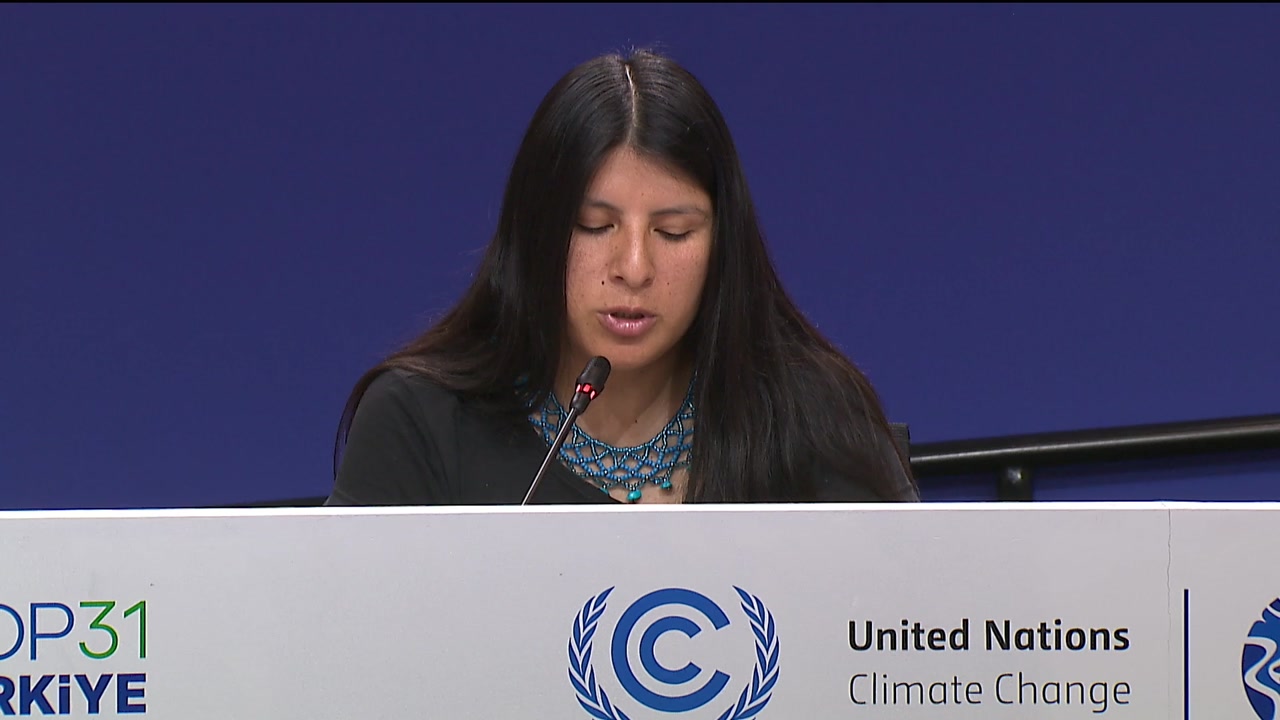
At a COP31 press conference on Nov. 14, 2026, Indigenous speakers and river advocates argued that the UN's climate machinery still treats dams as clean energy while ignoring displaced communities, dying salmon runs and methane from reservoirs. Their target is specific: the rules for the new Article 6.4 carbon market, which the presenters said could let at least 634 legacy hydropower projects keep earning credits. No decisions were made, but the coalition laid out four concrete asks for negotiators.
- Indigenous speakers tie dams to displacement in Chile's Alto Biobío and harm on the Klamath River.
- Free, prior and informed consent is routinely undermined by short timelines and technical language, speakers said.
- Four asks for the UN carbon market: count reservoir methane, reassess legacy dams, fund restoration, protect rivers.
- 634 legacy hydropower projects are eligible to move into Article 6.4, per the presenter.
- Reservoirs produce about 6% of human-caused methane, according to a meta-analysis cited at the event.
The basics: Free, prior and informed consent (FPIC) is the principle that Indigenous peoples must be able to approve or reject projects affecting their lands before work begins, with full information and without pressure.
Get reports in your inbox
Follow this commission for free and get the next report delivered by email. You'll be able to access the full archive, get real-time updates, and track the topics or keywords you care about most.