
Philippine Delegation Pitches Culture as Missing Link in Climate Action
COP 31 Press Conferences • United NationsNovember 18, 2026
Locunity is an independent informational service and is not an official government page for this commission. All information is sourced from public footage and an analysis of official agendas with the aid of responsible, fact-checked AI. to report an error or omission.
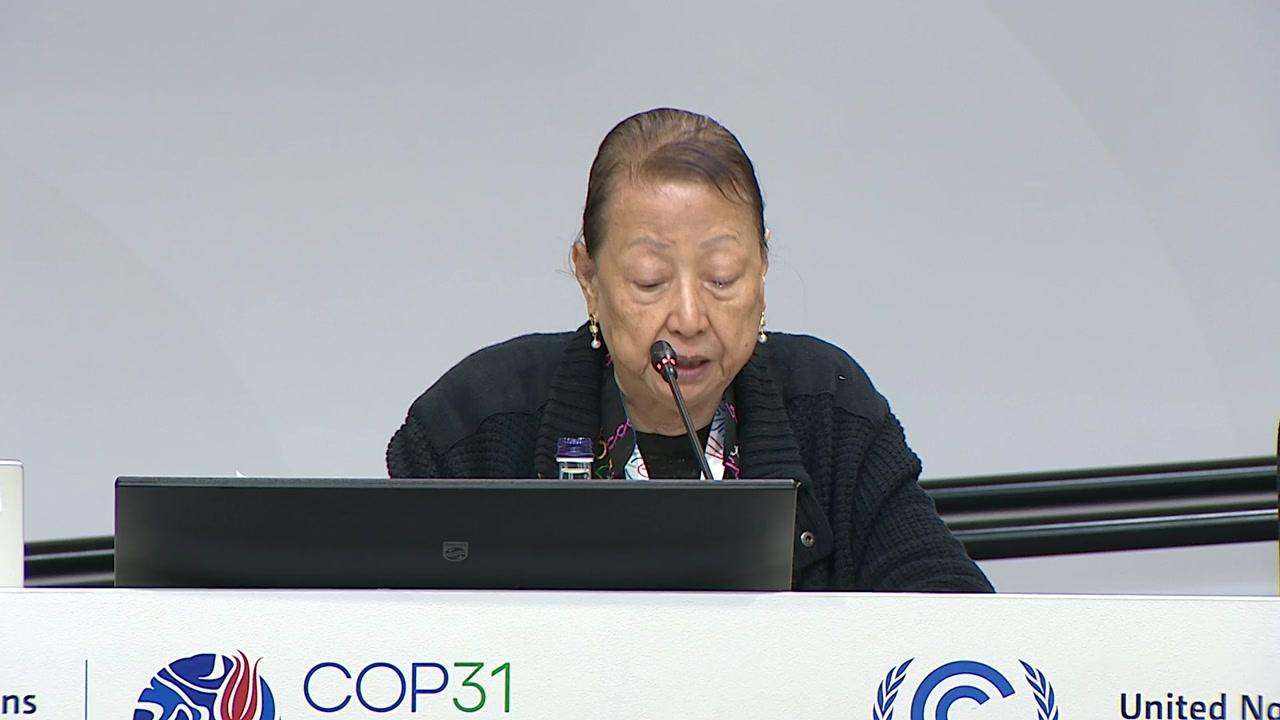
The Philippine delegation used a Nov. 18, 2026, COP31 press briefing to argue that the world is falling short on climate and development goals partly because it has failed to communicate. Presenters asked countries to make room for arts, indigenous heritage and ancestral knowledge inside their COP pavilions. They also declared that the 1.5-degree warming threshold has already been breached. The session included no votes or formal action. It was a pitch for cultural diplomacy as a climate tool.
- Culture in COP pavilions: Philippine presenters urged countries to feature arts and heritage
- "Communications gap," not just finance, is blamed for lagging 2030 SDG progress
- 1.5C breached, presenters say, urging governments to shift into "emergency mode"
- Global South partners cited from Kenya, Colombia and Azerbaijan
Philippines Bets on Art to Sell Climate Science
The basics: The UN's Sustainable Development Goals (SDGs) are global targets set for 2030. COP31 is this year's UN Framework Convention on Climate Change (UNFCCC) summit, where countries host national pavilions to showcase their priorities.
Why it matters: The delegation argued that a key reason the SDGs are off track is that people don't understand them, not only that money is short. If that framing gains traction, cultural programming could start competing for space and attention in climate diplomacy usually dominated by finance and emissions talks.
Where things stand: Presenters described a joint effort by Philippine legislative and executive officials and civil society. It is led by the Earth Savers Dreams ensemble, which carries the UNESCO Artists for Peace designation. The briefing featured Association of Southeast Asian Nations (ASEAN) cultural videos, murals and museum features, including Museo de Pachi. Presenters also highlighted cultural caregiving workshops aimed at marginalized groups.
The central argument was that cultural symbols, local language, indigenous heritage and UNESCO sites can translate climate science for audiences that technical messaging misses.
"It is not only because of lack of finances; it is because there is a huge communications gap of making people understand," said a presenter with the delegation.
Presenters said arts and broadcast media can reach vulnerable groups directly and support learning tied to the SDGs.
Decisions and stakeholder impacts: The briefing was informational, and no commitments were announced. The direct beneficiaries of the pitch would be artists, museums, cultural institutions and heritage sites, which would gain a stronger role in climate outreach. Marginalized communities are framed as the intended audience. National delegations would bear the ask to rethink how they program their pavilions.
What's next: The delegation's concrete request is for countries to include culture in their COP pavilions. No timeline or adoption mechanism was discussed.
'Emergency Mode': Delegation Says 1.5C Is Gone
Why it matters: The 1.5-degree Celsius limit is the most ambitious warming target in the Paris Climate Accord. Presenters asserted the threshold has already been breached and tied that claim to children's futures. They also cited commitments under the Paris Agreement and the Pact for the Future.
Where things stand: Presenters directed appeals at both governments and content creators.
"We must act now with an emergency mode," said a presenter.
The asks ranged from the personal to the planetary:
- Individuals cutting their carbon, water, waste and food footprints
- Protecting oceans and forests as carbon sinks
- Content creators producing nonviolent media
Presenters also cited partners that signal a Global South coalition behind the messaging. They named Kenya's climate envoy office, Colombia's South-South Cooperation Council and Azerbaijan's Global South NGO platform, associated with Baku.
Decisions and stakeholder impacts: As with the cultural pitch, no formal action was taken. The appeal places responsibility on several groups at once. Governments are expected to act on an emergency footing, households to shrink their footprints and the media industry to change its content. Linking climate to peace and nonviolent media is an unusual framing that broadens who is expected to act.
What's next: No follow-up events, deadlines or commitments were announced.
Minor Items
- Embassy welcome: Emil Joseph Garcia, Second Secretary and Consul, Philippine Embassy in Turkey, opened the briefing and thanked UNFCCC and COP31 hosts.
- Tourism tie-in: The briefing signals Philippine efforts to link cultural diplomacy, its 2027 tourism year and climate messaging.
- No Q&A: The briefing ended with closing thanks, and no question-and-answer session was held.
Looking Ahead
Watch whether other delegations take up the Philippine call to put culture inside their COP pavilions. That would show whether "communications gap" framing gains ground alongside the finance debate that dominates climate talks.