
Canalwalk Unveils Youth Co-Creation Plan, Elder Water Knowledge Push at COP31
COP 31 Press Conferences • United NationsNovember 17, 2026
Locunity is an independent informational service and is not an official government page for this commission. All information is sourced from public footage and an analysis of official agendas with the aid of responsible, fact-checked AI. to report an error or omission.
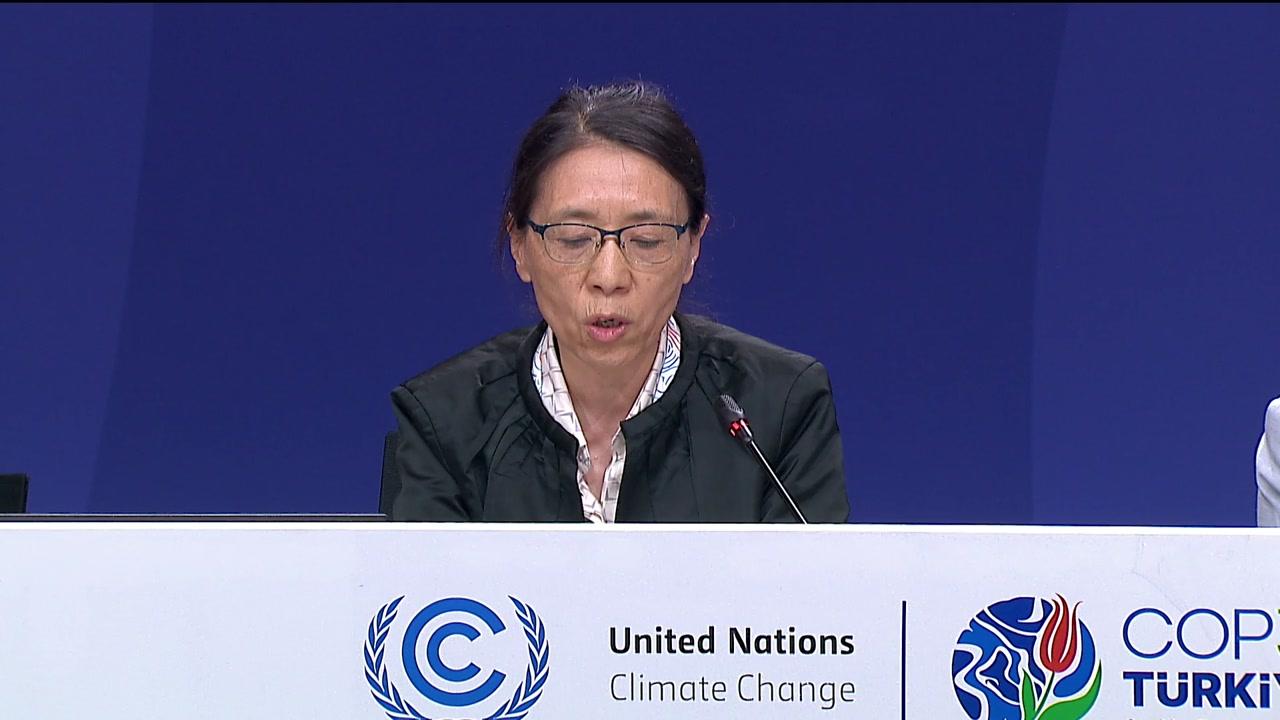
A youth-driven network built around canal cities used a COP31 side press conference on Nov. 17, 2026, to launch a global co-creation mechanism and propose an effort to record elders' knowledge about rivers. Five speakers from Chinese NGOs and research institutes argued that traditional ecological knowledge, paired with modern science, is a low-cost adaptation tool that belongs in climate planning and funding. No votes were taken. The event creates no binding commitments, but it signals where these groups plan to push.
- Canalwalk launches four-pillar global co-creation mechanism linking waterfront cities, youth and partners
- "Listen to One River" proposal would put local water knowledge into adaptation planning
- Community programs report 230,000 beneficiaries across 13 provinces and 67 communities
- Drip irrigation cut water use more than 50%, program leaders say
- China's 2035 adaptation strategy calls for protecting agricultural heritage, institute director says
Canalwalk Bets on Youth and River Elders
The basics: Canalwalk is a youth-focused climate network organized around waterfront and canal communities. At this event it rolled out a structure for partners to plan adaptation work together, plus a proposal to collect and apply river knowledge held by older residents.
Why it matters: Canalwalk took up more of the conference than any other group. Its pitch is aimed directly at the people who write adaptation plans: local water knowledge should feed those plans instead of sitting outside them.
Where things stand: Cheng Hao, Chair of the Canalwalk Action Organizing Committee, laid out four pillars for the new Global Co-Creation Mechanism:
- Waterfront cities as partners
- "Youth climate linkers" who connect communities and institutions
- Value-chain partners
- A "Canal Climate Box" toolkit
Dong Xueqing, a student practice team leader at Jiangsu Vocational College of Tourism and youth representative for the Canalwalk Global Youth Action Network, then proposed a global "Listen to One River" action. It would archive elders' water knowledge and rests on three commitments:
- Building local knowledge into adaptation planning
- Training "knowledge translators" who can carry community insight to planners
- Providing long-term, flexible support
Dong cast the effort as an obligation that spans generations.
"Every river is a thousand-year adaptation blueprint, and we share responsibility to keep writing it," said Dong.
Decisions and stakeholder impacts: Nothing was adopted or funded at the press conference. The announcements are advocacy, not policy. If the model spreads, waterfront cities and municipal planners would be asked to treat elders and youth as formal sources of knowledge. Students and young organizers would get defined roles as linkers and translators. Funders would face a direct request for long-term, flexible money rather than short project cycles.
What's next: Speakers did not announce dates, sign-on deadlines or specific partner cities. Planners and advocates interested in the Canal Climate Box or the "Listen to One River" commitments should watch for follow-up from the Canalwalk network.
Local Groups to Funders: Put Communities First
Why it matters: Two community program leaders brought implementation numbers to a debate that often stays abstract. They argued that communities belong at the center of climate plans, not the bottom of funding queues.
Where things stand: Hu Wangyue, Climate Change Project Manager at the Mengnanso Sustainable Development Service Center, presented Yunnan's Heqi Action. The program uses community risk assessments and local drought solutions.
Hu reported work spanning:
- 13 provinces
- 67 communities
- 230,000 beneficiaries
Hu said drip irrigation cut water use by more than 50%.
Zhao Songsheng, Chairman of the Yue Weilai Social Work Service Center, described Chengdu's Panda Village guardianship program. It puts decision-making in local hands, and Zhao argued the same principle should apply to climate planning generally. He was blunt about how money currently flows.
"Local communities shouldn't be at the bottom of waiting list for money," said Zhao.
Decisions and stakeholder impacts: No funding decisions were made. The argument targets the structure of climate finance. Zhao is asking that community organizations be first-tier recipients and planners, not afterthoughts. Rural households in drought-prone areas are the clearest potential beneficiaries. Philanthropies and government programs would be the ones asked to change how they prioritize grants.
What's next: No specific funding asks, partners or timelines were announced.
China Frames Heritage as Adaptation Policy
Why it matters: Duan Hongxia, Director of the Institute of Environment and Sustainable Development (IESD), presented traditional knowledge as policy, not folklore. She described it as an institutional, nature-based solution that China wants to share with other developing countries through South-South cooperation, meaning direct cooperation among developing nations.
Where things stand: Duan said China's National Strategy for Adaptation to Climate Change 2035 calls for protecting agricultural heritage and local ecological culture. She outlined three guiding principles:
- Harmony with nature
- Adapting to local conditions
- Following nature's rhythm
She pointed to heritage systems such as rice-fish farming, which raises fish in rice paddies, and the Dujiangyan system. She also described ways artificial intelligence is being used to preserve and apply older practices. One project runs AI flood simulations for the Hani rice terraces. Another uses AI to digitize historic weather records.
"Traditional knowledge is not ashes of the past. It is a living frame for our future," said Duan.
The other side: Duan also set limits on her own argument. She cautioned that local methods cannot work alone against unprecedented disasters. That caveat positions traditional knowledge as a complement to modern science and engineering, not a substitute.
Decisions and stakeholder impacts: The presentation reported existing national policy and announced no new action. For international partners, it signals that China intends to export this model through South-South channels. Practitioners elsewhere should weigh it alongside Duan's own caution about its limits.
Looking Ahead
The press conference was moderated by Wang Xiangyi, Vice Chair and Secretary-General of the China Association for NGO Cooperation (CANGO). It included no Q&A. Readers tracking COP31 adaptation finance should watch whether the Canalwalk mechanism and the "Listen to One River" proposal attract named city or funder partners.