
Island Fellowship, Sargassum Push Headline Caribbean Partnership Pitch at COP31
COP 31 Press Conferences • United NationsNovember 16, 2026
Locunity is an independent informational service and is not an official government page for this commission. All information is sourced from public footage and an analysis of official agendas with the aid of responsible, fact-checked AI. to report an error or omission.
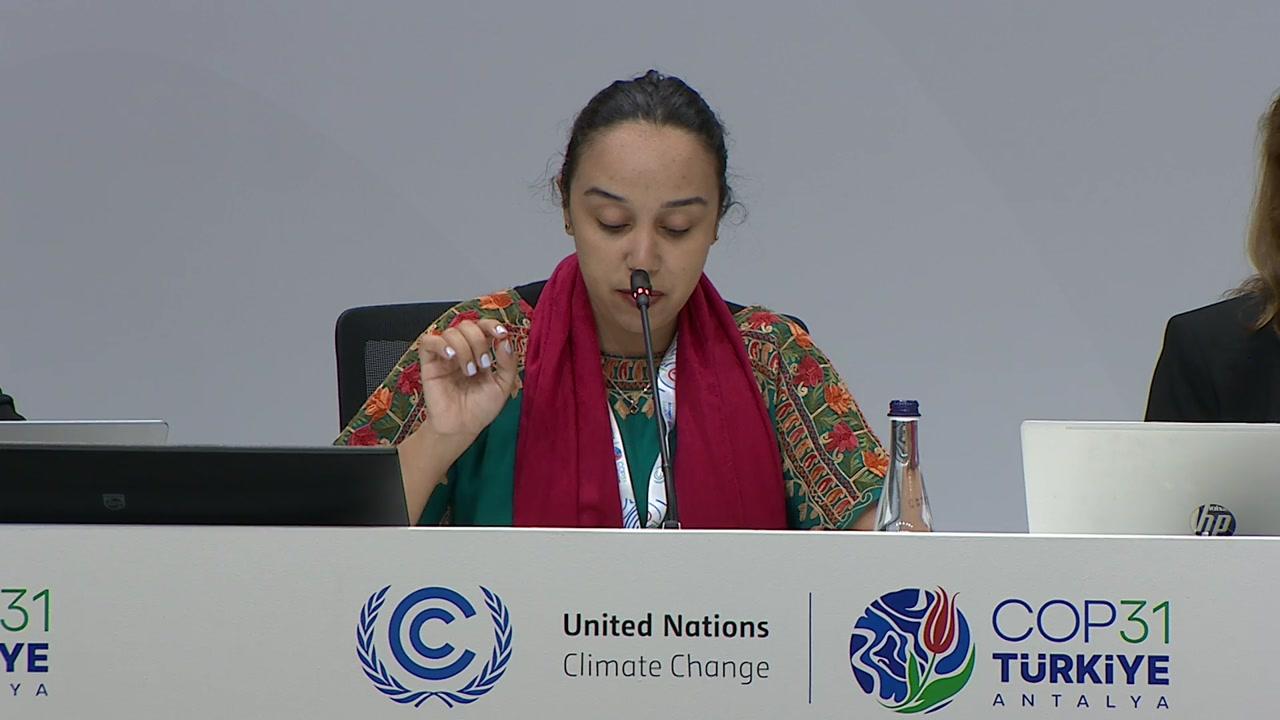
Small island states came to COP31 with a blunt message: ambition is not the problem; capacity and cash are. At a Nov. 16, 2026, side event, Caribbean leaders showcased a renewable energy fellowship reaching 59 islands and a sargassum innovation program. The Dominican Republic also put a price tag on its next climate plan, and regional energy officials set a May 2027 date to bring investors to the table.
- Blue Planet Alliance fellowship reaches 59 islands, with 21 signing 100% renewable agreements
- Tides of Innovation targets sargassum, with a Rio consortium position planned for April 2027
- Dominican Republic says NDC 3.0 needs over $23M, 70% from international cooperation
- Caribbean Sustainable Energy Forum (CCEF9) set for May 24–27, 2027, in Barbados
From Pledges to Projects: The Island Fellowship Model
Why it matters: Islands have set aggressive clean energy targets. This panel focused on the networks and pilots meant to turn those targets into projects.
Where things stand: Molly, of Blue Planet Alliance, described the group's fellowship program. It has reached 59 islands, and 21 of them have signed 100% renewable energy agreements. That is the program's headline metric: a commitment rate of more than one in three participating islands.
The panel also presented Tides of Innovation, a program aimed at sargassum. Sargassum is the seaweed that washes ashore across the Caribbean, affecting coastlines and tourism economies. Speakers said a Rio consortium position for the program is planned for April 2027.
Youth in the pipeline: The conversation also covered climate literacy for young people through the Green Generation Initiative. The youth climate literacy effort is seeking funding. The panel included Khadija, founder of Ecovibes Environmental Creatives, and was moderated by Neon Murray, founder of Nisas Energy.
Decisions and stakeholder impacts: No decisions were made. The beneficiaries of the model are island governments that lack in-house technical staff, and the young people a funded literacy program would reach. Coastal communities would benefit if sargassum work moves from concept to pilot.
What's next: Watch for the Tides of Innovation consortium position in April 2027, and for whether the youth program secures funding.
Dominican Republic Puts a Price on Its Climate Plan
The basics: A nationally determined contribution (NDC) is a country's climate action plan under the Paris Agreement. NDC 3.0 is the Dominican Republic's latest version.
Why it matters: The Dominican Republic estimates NDC 3.0 needs more than $23M. About 70% of that is expected to come from international cooperation. The country's 28% emissions-reduction target for 2030 depends heavily on outside money.
Where things stand: Pamela, representative of the Government of the Dominican Republic, said the plan requires external support for capacity building and technology. She pointed to a track record: the country met the 25% renewable capacity goal set in NDC 2.0.
She named partners including AFD, Expertise France and Blue Planet Alliance. She framed outside help as more than financing.
"These partnerships actually turn the individual commitment into a collective effort," said Pamela, representative of the Government of the Dominican Republic.
The open question: A plan that is 70% externally funded is exposed to donor priorities and timelines. The panel did not detail which portions of the $23M-plus are already committed.
Decisions and stakeholder impacts: No funding agreements were announced. International development partners hold significant leverage over the pace of delivery. Dominican residents, meanwhile, have a direct stake in whether the 2030 target is met.
Barbados to Host Regional Energy Investment Forum
Why it matters: The forum gives investors and energy ministers a fixed date to advance Caribbean energy projects. It is positioned as a platform for mobilizing regional investment.
Where things stand: Lisanne Fraser, Head of Operations at CCREEE, announced the 9th Caribbean Sustainable Energy Forum (CCEF9). It will run May 24–27, 2027, in Barbados under the theme "Invest, innovate, and sustain."
Fraser called for regional coordination, investment-ready projects and stronger capacity across the region. Those three asks echo the panel's broader diagnosis that gaps in capacity and finance, rather than a lack of ambition, are what block renewable targets.
Decisions and stakeholder impacts: This was the session's one concrete outcome. Project developers and national energy agencies now have a deadline to bring "investment-ready" proposals forward.
What's next: CCEF9 convenes May 24–27, 2027, in Barbados.
Looking Ahead
The session produced no votes or binding commitments. It did set two markers to watch: the Tides of Innovation consortium position in April 2027 and CCEF9 in Barbados the following month. Both will test whether the region's partnership pitch converts into financed projects.