
Ethiopia Plans COP32 for Up to 100,000 at Cleared Site Near Airport
COP 31 Presidency Events • United NationsNovember 19, 2026
Locunity is an independent informational service and is not an official government page for this commission. All information is sourced from public footage and an analysis of official agendas with the aid of responsible, fact-checked AI. to report an error or omission.
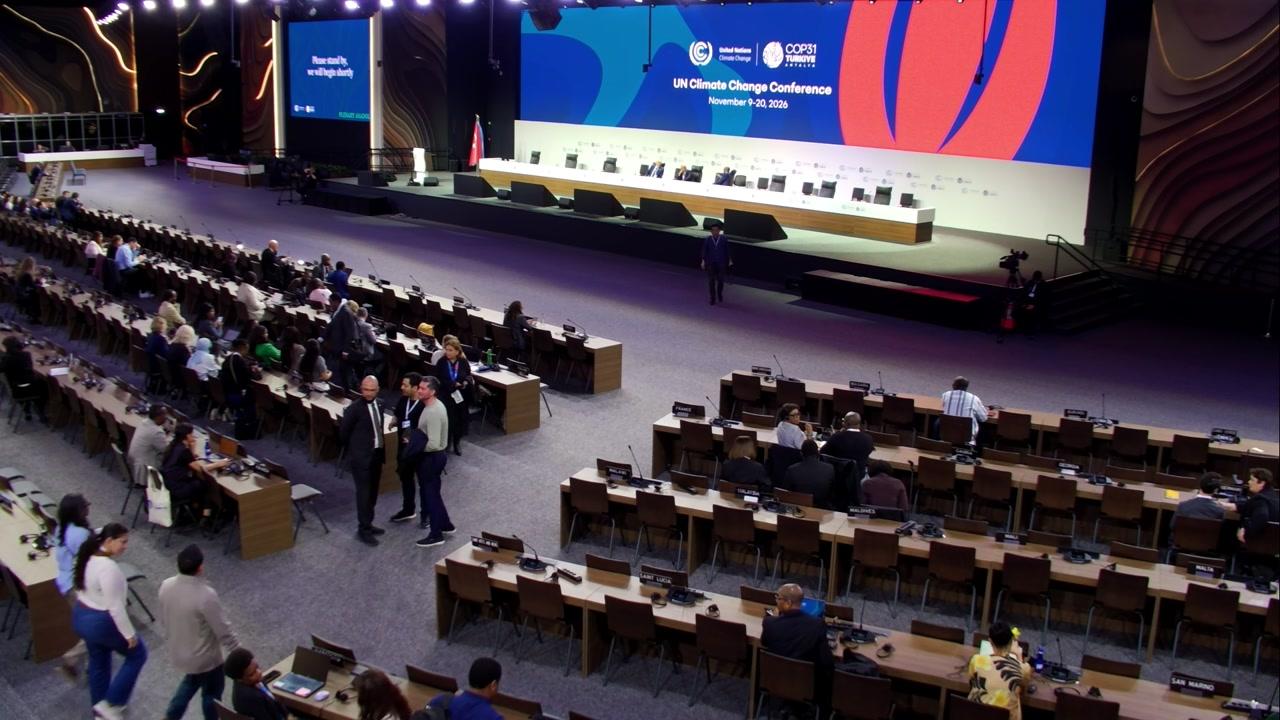
Ethiopia gave delegations their first detailed look at how Addis Ababa plans to host COP32 in November 2027, the United Nations climate conference. It plans for 80,000 to 100,000 participants at a cleared site minutes from the capital's main airport. The Nov. 19, 2026, briefing was informational, and no decisions were taken. Several details that drive delegation budgets, including visas, the accommodation portal and hotel pricing, will not be released until SB66 in Bonn.
- Venue set at Medemer AI University, 7 to 10 minutes from Bole International Airport, with the site already cleared
- 80,000 to 100,000 participants expected, and about 75,000 volunteer applicants already registered
- Free electronic visas are planned for registered participants, and registration opens after SB66 in Bonn
- Hotel capacity of more than 100,000 claimed, with a predominantly electric bus fleet and free shuttles promised
- Trade unions press for affordable rooms, citing cost problems at past conferences
A Cleared Site and a Prime Minister in Charge
The basics: COP32 is the annual climate summit under the U.N. Framework Convention on Climate Change (UNFCCC). The host country signs a Host Country Agreement with the UNFCCC secretariat that sets out its obligations for venue, security and services.
Why it matters: Venue and capacity decisions shape travel, cost and access for every delegation, observer group and journalist planning for November 2027. A year out, those groups now have a working map.
Where things stand: Ambassador Menelek of Ethiopia and Dr. Ashagri, Chief Operating Officer, Ethiopia COP32 Presidency, presented the plan. They cited Ethiopia's record of hosting large gatherings and described the conference structure:
- A National Steering Committee chaired by the Prime Minister oversees the effort
- The conference will run at Medemer AI University, 7 to 10 minutes from Bole International Airport
- The site has been cleared for temporary structures
- About 75,000 people have registered to volunteer
- Plans for transport, medical services and catering are underway
Dr. Ashagri committed Ethiopia to meeting its Host Country Agreement obligations and gave the planning target.
"We are planning for an estimated 80,000 to 100,000 participants," said Dr. Ashagri.
Negotiations on the Host Country Agreement are still underway. A second round of talks is set for early December.
The UNFCCC's read: Wasim Mir, Director, Conference Affairs, UNFCCC secretariat, chaired the session. He said the secretariat had conducted a fact-finding mission to Ethiopia in July. He then offered a strong endorsement.
"The level of political commitment I've seen from Ethiopia is unprecedented," said Mir.
Decisions and stakeholder impacts: No votes or formal actions were taken. Governments now have a baseline for sizing delegations. Observer constituencies and media can begin early logistics planning. Putting governance under the Prime Minister signals that the host is treating the conference as a national priority. The binding commitments, however, will sit in the Host Country Agreement, which is not yet final.
What's next: The second round of Host Country Agreement talks takes place in early December.
Hotels, Buses and the Affordability Question
Why it matters: Hotel costs and transit times have been major complaints from delegations and civil society at past COPs. These costs often decide whether smaller delegations and nonprofit groups can attend at all.
Where things stand: Dr. Ashagri described Bole International Airport as Ethiopian Airlines' hub and said immigration processing has been upgraded. Ethiopia says its hotels range from five-star to budget, with a combined capacity of more than 100,000. The furthest hotel is about 60 minutes from the venue in slow traffic.
The host's plan includes:
- A predominantly electric bus fleet
- Inspections of hotels across all categories
- A central booking platform
- Free shuttle service for participants
The other side: Questions from the floor focused on cost and capacity. Patrick, co-focal point for the trade union NGOs constituency, asked the host to guarantee affordable accommodation, citing cost problems at previous conferences. The delegate from the Kyrgyz Republic asked whether accommodation and transport capacity would be enough.
Decisions and stakeholder impacts: The hotel capacity figure is Ethiopia's own claim. It was presented without a pricing structure. Civil society groups, unions and delegations from lower-income countries have the most at stake, because pricing and portal rules determine who can afford to attend. Clustered hotels and free shuttles could ease transit costs. The 60-minute outer limit, however, means some participants will face long commutes.
What's next: Details on the accommodation portal and pricing are expected at SB66 in Bonn.
Free E-Visas, With Registration After Bonn
Why it matters: Entry rules and registration timelines set the calendar for every delegation, observer organization and outlet planning to attend.
Where things stand: Dr. Ashagri said the directive for free electronic visas is ready and will be adopted soon. Visas will be tied to UNFCCC registration. Options for participants who arrive without a visa are still being worked out. Answers from the floor indicated the visa process will mirror the one used for COP31.
The delegate from the Kyrgyz Republic asked how the visa process would work for Asian countries. A local government representative asked whether municipalities can take part and receive invitation letters. Mir answered by explaining the registration categories: party delegations, observers and media. He said a detailed briefing on these questions will come at SB66.
Decisions and stakeholder impacts: National delegations have the clearest path, through party registration. Local and regional governments, a growing presence at climate summits, got no firm answer on invitation letters. They will need to watch the SB66 briefing closely. Participants who might arrive without a visa remain in limbo until Ethiopia finalizes those options.
What's next: UNFCCC registration opens after SB66 in Bonn, where the secretariat promised a fuller briefing on registration, visas and accommodation.
Minor Items
- The delegate from the Marshall Islands asked presenters to spell out the venue's name for the record.
- No motions or votes were taken. The session was an informational briefing followed by questions.
Looking ahead: Watch for the second round of Host Country Agreement talks in early December. After that comes the SB66 briefing in Bonn, where the visa rules, accommodation portal, pricing and registration details for COP32 are expected to become concrete.