
BAIFA Plans Break From Turnkey Tolling, Eyes 2027 Software Overhaul
BAIFA Network and Operations Committee • Metropolitan Transportation CommissionSeptember 11, 2026
Locunity is an independent informational service and is not an official government page for this commission. All information is sourced from public footage and an analysis of official agendas with the aid of responsible, fact-checked AI. to report an error or omission.
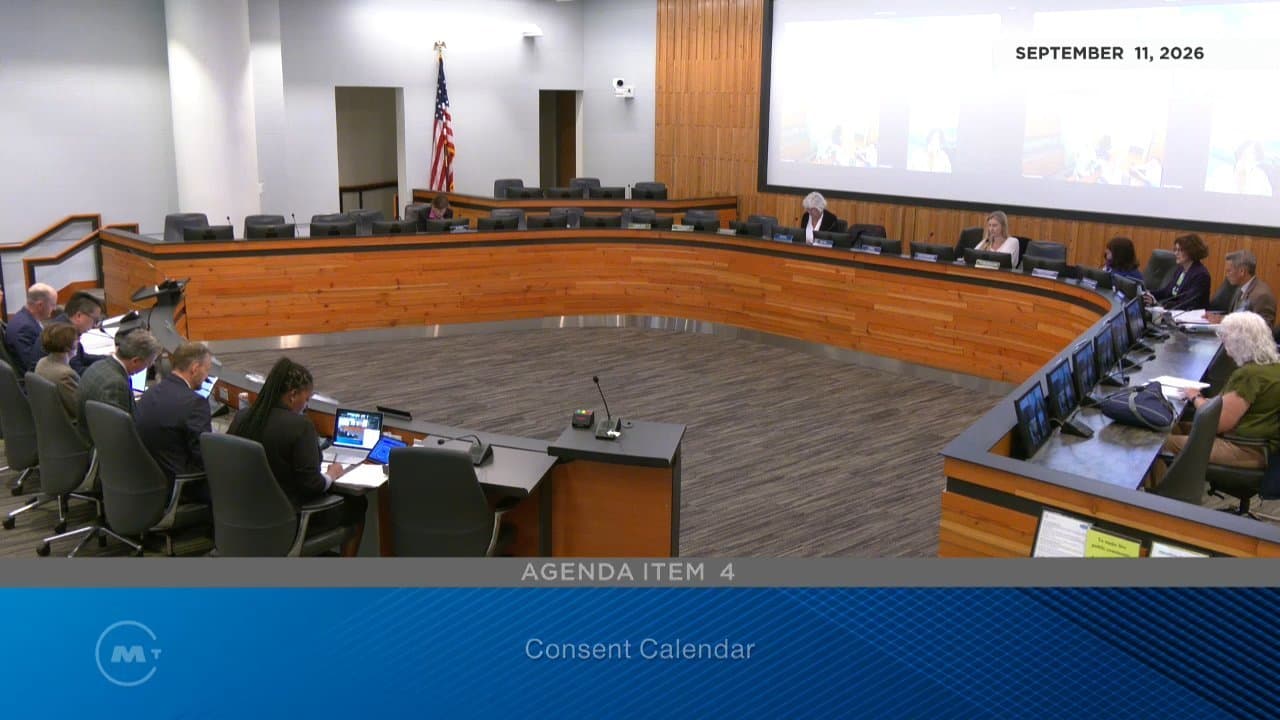
The software that processes every express lane toll in BAIFA's network is nearing the end of its life, and staff want to replace it in a way that changes how the region buys tolling technology. At its Sept. 11, 2026, meeting, the BAIFA Network and Operations Committee heard a briefing on splitting the host system from roadside equipment and owning the software outright. The committee took no vote.
- Aging host software must be replaced across a 161-lane-mile express lane network
- Staff propose an open, separately procured host system to reduce reliance on a single vendor
- RFP targeted for the first quarter of 2027, with award expected in the third quarter
- Roughly $205M, 10-year investment shifts software and data risk onto BAIFA
- Public commenters press on repair needs and a possible Clipper 2 repeat
BAIFA Bets on Owning Its Tolling Software
The basics: Tolling systems have two main layers. Roadside equipment reads vehicles on the lanes. The "host" is the back-office application that processes the trips and the toll charges. BAIFA now buys both as a single "turnkey" package from one vendor.
Why it matters: The network carried about 42 million trips and brought in about $89M in toll revenue in fiscal 2025. Staff tied the replacement plan to a roughly $205M, 10-year investment. The approach would make BAIFA the owner of the software and the data, along with the risk that ownership carries.
Where things stand: Ken Hoang, Principal Project Manager, BAIFA Express Lane program, said tolling systems typically last eight to 10 years. He said the host is the most pressing problem: "The express lane host application is approaching the end of its useful lifecycle and needs to be replaced," he said.
Hoang said the roadside equipment on I-680 is also aging. The final corridor in the sequence, I-80, is expected to be replaced in 2036. Staff propose buying roadside equipment and host software separately, with an open host system. Hoang said three principles guide the plan: ownership and control, future readiness, and vendor flexibility.
The procurement timeline: Market research ran through 2024. Hoang cited the Central Texas RMA as a reference point. BAIFA issued a request for interest in December 2025. The host RFP is planned for the first quarter of 2027, with award in the third quarter. Roadside procurement will come back to the committee later in 2027.
The regional picture: Stephen Wolf, Assistant Director, Express Lanes Program, said other Bay Area express lane operators are pursuing turnkey approaches. That makes BAIFA's open-host strategy a departure from its neighbors. Wolf said the San Mateo County Express Lanes JPA is expected to move onto the new host. That would extend BAIFA's software decisions beyond its own corridors.
The other side: Wolf was candid that the main risk is staffing, not technology. BAIFA would need the people and resources to manage software and data it now relies on a vendor to run. "We take more responsibility as owners of the software and data," Wolf said.
Two public commenters also urged caution. One stressed keeping weather-exposed tolling equipment in a state of good repair and warned about how complex the modernization will be. A second commenter asked what it would take to convert other operators' orange-signed lanes to the BAIFA network without repeating the troubled Clipper 2 rollout. Staff did not give a direct answer to that question during the meeting.
Decisions and stakeholder impacts: This was an informational item, and the committee took no action. A commissioner praised the staff work.
- Drivers and FasTrak users in Contra Costa, Alameda and Solano counties would see the change through the reliability of the system that processes their tolls.
- Tolling vendors face a market split into separate host and roadside contracts. That opens room for more bidders but ends one-stop packages.
- San Mateo County's express lane operator stands to become a user of BAIFA's platform.
- BAIFA itself takes on the operational and staffing burden of owning the software.
What's next: Watch for the host system RFP in the first quarter of 2027 and the roadside procurement later that year. Readers tracking the plan should ask how BAIFA will staff software ownership, how the roughly $205M will be phased, and what safeguards will prevent a Clipper 2-style transition.
Minor Items
- Minutes approved: The committee approved the June 12, 2026, minutes by voice vote. No opposition or abstentions were recorded. Absent: Vice Chair Mitch Mashburn and Commissioner Corzo.
- Member pay: The clerk announced that members receive $100 per meeting, up to $500 per month.
- 9/11 observance: The committee held a moment of silence for 9/11 before the Pledge of Allegiance.
Looking Ahead
The committee next meets Oct. 9, 2026, at 9:35 a.m. at the Bay Area Metro Center.